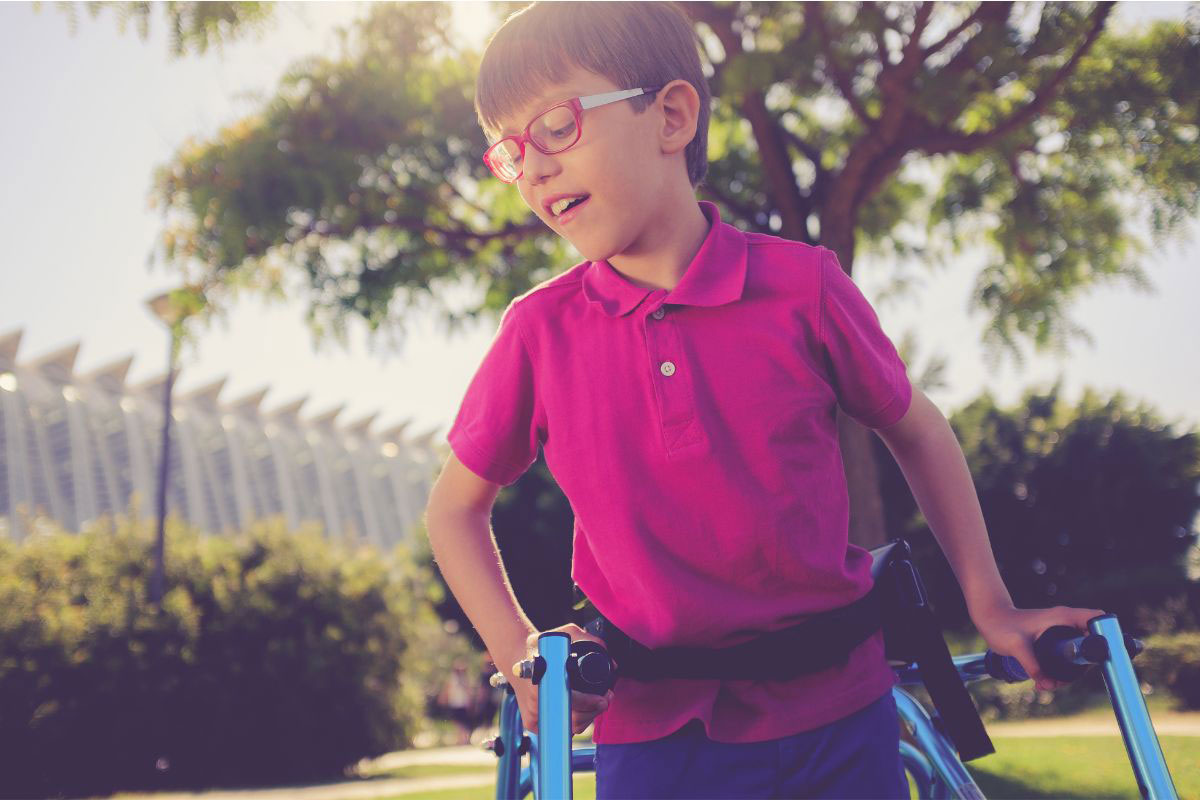
Orthotics for Children With Cerebral Palsy and Neuromuscular Conditions
When a child is diagnosed with cerebral palsy or a neuromuscular condition that affects movement, families often find themselves navigating a complex world of medical terms, therapies, and equipment. Questions naturally arise: Will a brace help my child walk? Which device is right? How long will they need to wear it? Will it be comfortable?
These are essential questions, but because no two children move or develop in the exact same way, there is rarely a single, off-the-shelf answer.
Pediatric orthotics is the clinical science and art of designing custom support devices—such as braces, splints, and shoe inserts—that align joints, support weak muscles, and improve functional mobility. Rather than selecting a brace based strictly on a medical diagnosis, an orthotist evaluates how your child moves, their joint flexibility, muscle tone, standing alignment, energy levels, and overall daily routine.
The ultimate goal is simple: to create a custom orthotic solution that offers appropriate support while helping your child feel comfortable, confident, and free to explore their world.
Understanding Tone, Strength, and Gait Patterns
To understand why custom orthotics are necessary, it helps to look at how cerebral palsy and neuromuscular conditions affect the body's movement mechanics.
Cerebral palsy is caused by disruption in the developing brain, which affects how signals are sent to muscles throughout the body. Depending on the child, this can result in several different movement patterns:
High Muscle Tone (Spasticity): Muscles remain tight or stiff, making it difficult to stretch joints fully. This can pull the foot downward into a toe-walking position or draw the knees together.
Low Muscle Tone (Hypotonia): Muscles feel soft or loose, leading to joint hypermobility, flat feet, and difficulty holding upright posture against gravity.
Fluctuating Tone (Athetosis/Dystonia) or Unsteadiness (Ataxia): Muscle tension changes unpredictably, making balance, coordination, and precise stepping challenging.
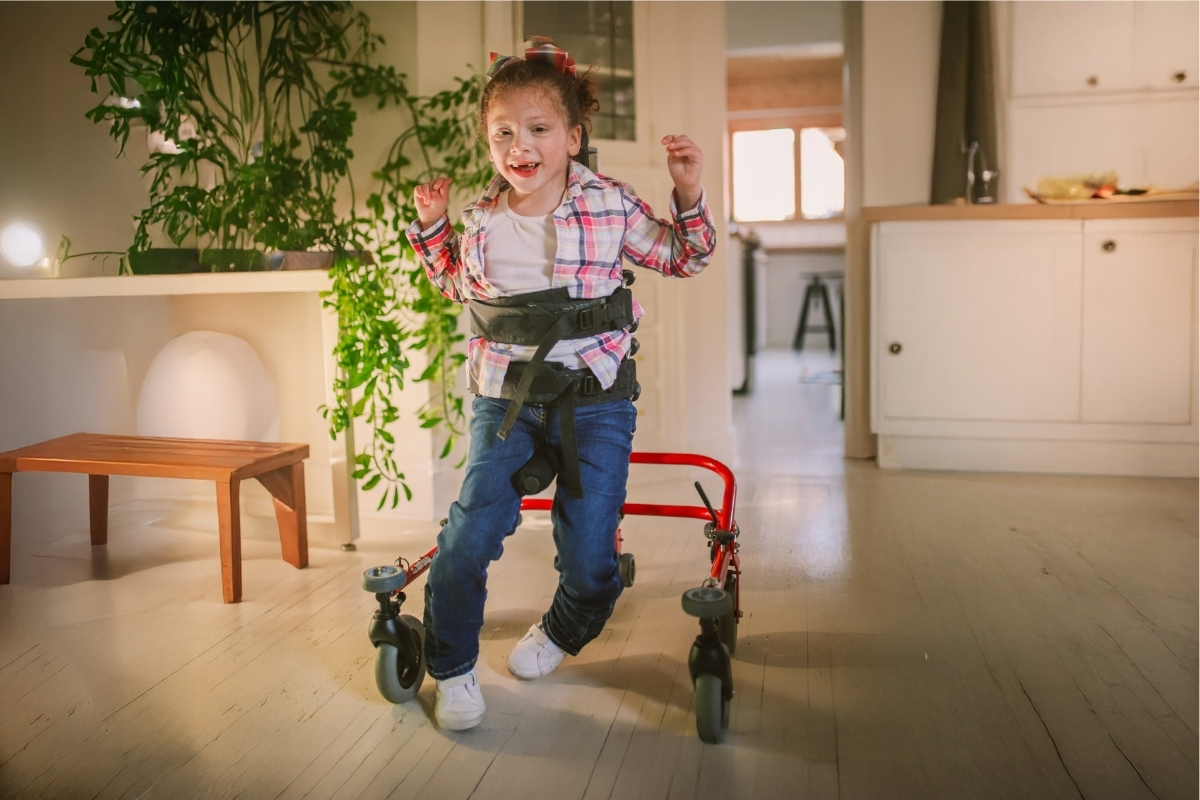
These underlying tone challenges manifest in specific walking mechanics (gait patterns) that orthoses are engineered to address:
Equinus Gait (Toe-Walking): The calf muscles are tight, pulling the heel off the ground during stepping.
Crouch Gait: The knees and hips stay bent during walking, requiring immense muscle effort and causing fatigue.
Scissoring Gait: Tight inner thigh muscles cause the legs to cross over one another during forward steps.
Pronated or Flat-Foot Gait: Weak ankle stabilization causes the inner arches to collapse inward toward the ground.
An orthosis provides targeted biomechanical forces to gently correct these positions, helping your child move more efficiently while protecting their joints over time.
How Orthotics Support Your Child’s Daily Life
At Floyd Brace, we consider treatment plans for children with cerebral palsy individualized and most effective when combining therapies, medical care, and assistive devices. An orthosis is not designed to restrict a child nor do all the work for them; rather, it provides structural baseline stability so they can use their existing strength more effectively.
A tailored pediatric orthosis helps to:
Improve Alignment: Gently holds the foot, ankle, and leg in a neutral position to prevent joint deformity as bones grow.
Increase Energy Efficiency: Stabilizing unsteady joints reduces the extra physical effort required to walk, allowing children to play longer with less fatigue.
Enhance Gait and Balance: Research shows custom AFOs can improve stride length, walking speed, and overall stability during daily movement.
Complement Physical Therapy: Maintains the functional gains and range-of-motion stretches achieved during therapy sessions throughout the child's daily life.
Encourage Self-Expression: Modern custom bracing allows children to select bright colors, glitter, dynamic patterns, or favorite themes—turning their brace into a personal badge of confidence.
A Breakdown of Custom Bracing Options
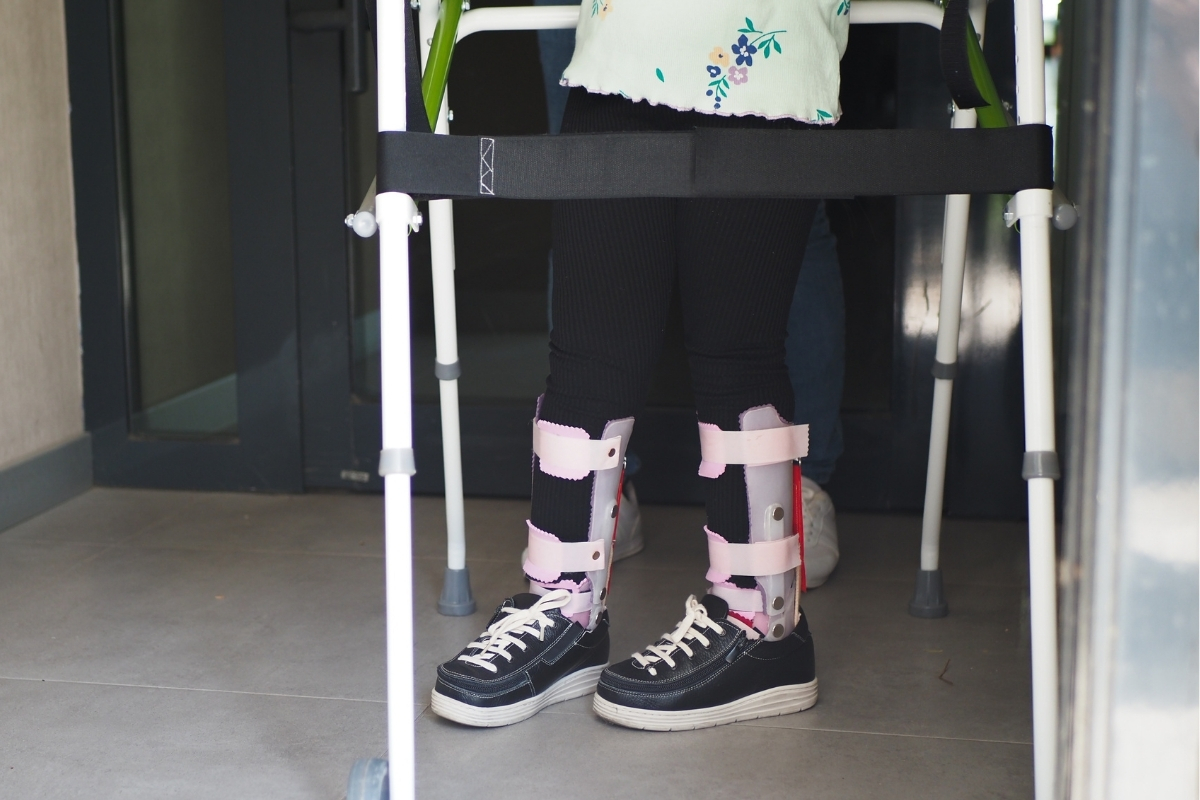
Depending on your child’s unique movement evaluation and physical therapy goals, an orthotist may recommend one of several custom-fabricated devices.
The Science Behind Custom Fabrication
A custom orthosis is engineered specifically for your child's exact physical contours. Off-the-shelf braces cannot accommodate complex foot structures or asymmetric muscle tone, which can lead to painful pressure spots.
Capturing the Shape: The orthotist takes a detailed 3D digital scan or non-toxic plaster cast of your child's foot and leg, holding the joints in the most ideal, relaxed alignment possible.
Clinical Rectification: The impression is converted into a positive mold. The orthotist precisely modifies this model—adding relief over bony bumps to prevent rubbing and building up support under arches.
Material Engineering: Lightweight, high-durability thermoplastics (such as polypropylene or copolymer) or ultra-light carbon fiber composites are vacuum-formed over the mold. Soft, closed-cell foam linings are added to cushion sensitive areas.
Precision Trimming: The trim lines (where the plastic edges end) are carved specifically to allow or limit motion based on your child's functional goals.
The Collaborative Care Cycle: Partnering With Your Medical Team
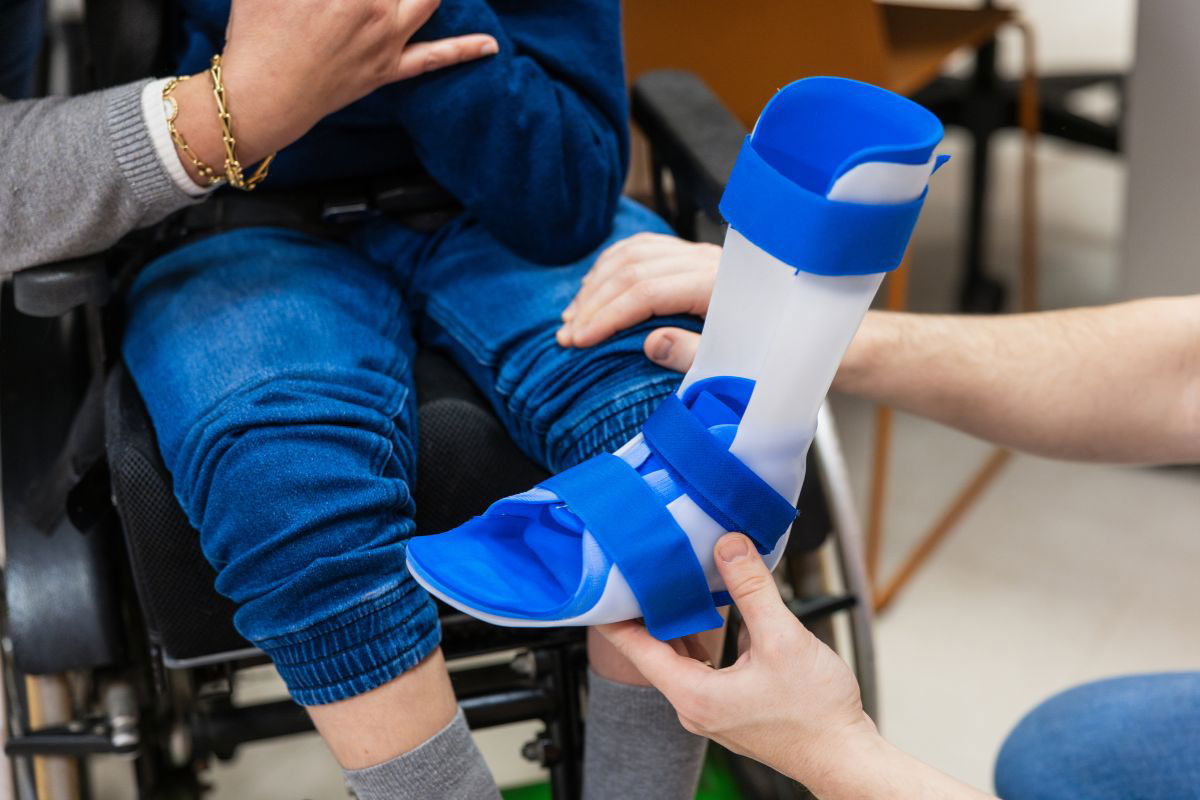
Best-practice pediatric orthotic care does not happen in isolation. Floyd Brace clinicians work as an active, integrated extension of your child's complete healthcare team, collaborating directly with physical therapists, occupational therapists, pediatricians, orthopedic surgeons, and physiatrists.
Translating Clinical Intent: While a physician provides the medical prescription and a physical therapist identifies specific functional movement goals, the orthotist translates those needs into mechanical design solutions.
Co-Evaluating in Therapy: Orthotists often coordinate directly with physical therapists to observe how a child moves in therapy with and without their brace, making real-time micro-adjustments.
Supporting Surgical & Medical Milestones: If a child undergoes tone-management procedures (such as Botox injections or orthopedic surgery), the orthotist adjusts or fabricates new bracing to maintain and support those surgical gains.
Navigating Home Life: Break-In Schedules and Footwear
Getting a new orthosis is an adjustment for both the child and family. Introducing a device gradually helps skin adapt to new support forces and builds positive wear habits.
Recommended 2-Week Break-In Schedule
Practical Tips for Footwear and Skin Maintenance
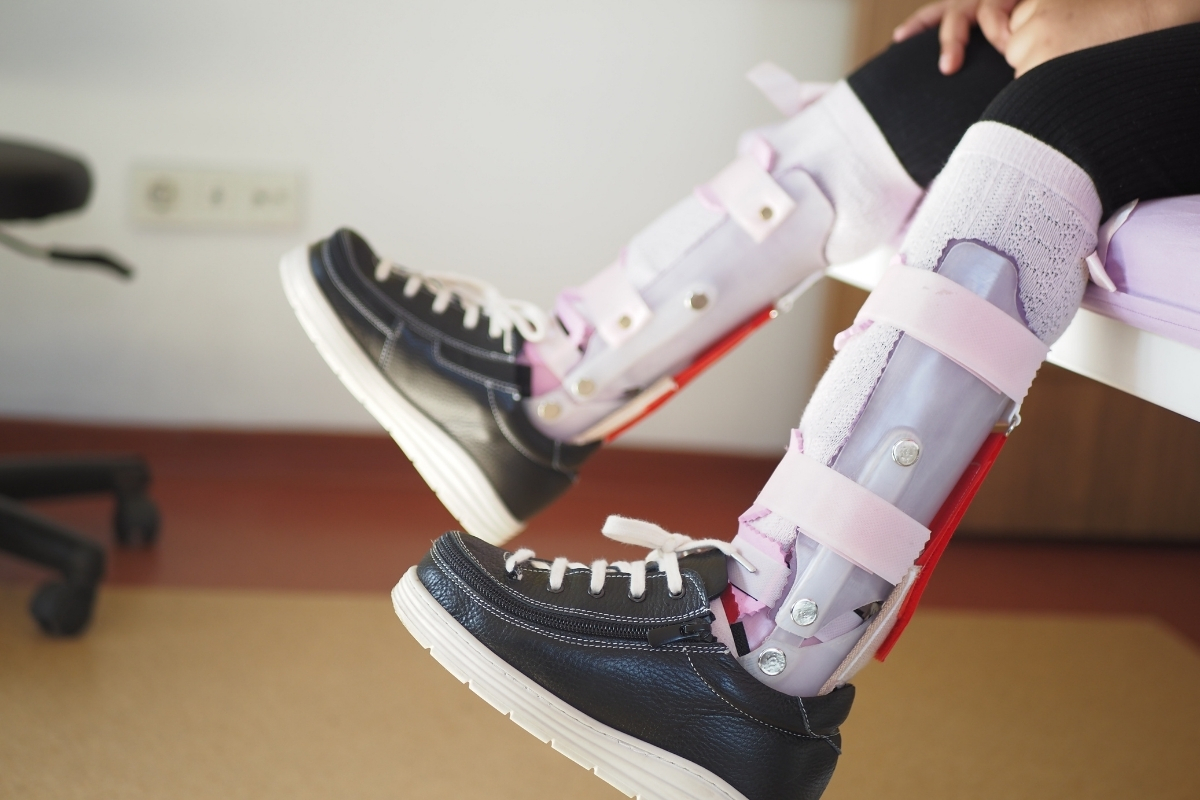
Choose the Right Socks: Always wear a smooth, tall, moisture-wicking sock (preferably seamless) extended above the top of the brace to prevent sweat buildup and friction.
Selecting Shoes: Look for shoes with removable factory insoles, wide or extra-depth toe boxes, flexible laces or long Velcro straps, and durable rubber outsoles.
Understanding Skin Marks: Pinkness over broad support areas is normal, but it must fade within 30 minutes of taking the brace off. Dark red spots, blisters, or skin breakdown mean the device needs a professional fit tweak immediately.
Milestone Transitions: Growing From Toddlerhood to Adolescence
A child’s orthotic needs naturally shift as they hit developmental milestones:
Early Childhood (Ages 1–3): Focus is on floor play, crawling, pulling to stand, and early steps. Devices prioritize flexibility, sensory feedback, and protecting developing joint structures.
School-Age (Ages 4–10): Focus shifts to playground agility, walking endurance, navigating stairs, and independence. Bracing targets energy conservation and self-donning (learning to put on their own braces).
Adolescence (Ages 11+): Rapid growth spurts can alter leverage and alignment quickly. Older kids also desire sleeker profiles that fit trendy footwear, requiring discreet engineering that balances clinical control with self-image.
Parent Checklist: Signs Your Child Needs a Fit Reassessment
Because children grow quickly, regular evaluations ensure the orthosis remains supportive and comfortable. Contact your orthotist if you notice:
Physical growth spurts or a sudden jump in shoe size
Redness or pressure marks that do not disappear after 30 minutes of removing the brace
Skin blisters, calluses, or continuous rubbing along plastic edges
Structural wear, cracks, worn straps, or squeaking mechanical hinges
Unexplained changes in your child’s balance, posture, or walking pattern
Resistance or distress from your child when putting on the device
Shifts in physical therapy goals or recent medical procedures
Frequently Asked Questions
What is the most common orthotic for children with cerebral palsy?
Ankle-Foot Orthoses (AFOs) are the most frequently prescribed devices because foot and ankle alignment heavily impacts overall body posture. However, design variations (solid, hinged, dynamic) are customized strictly around the individual child.
Does every child with cerebral palsy need orthotic bracing?
No. Bracing is recommended only when an evaluation demonstrates that external joint support will enhance stability, prevent skeletal deformities, improve walking mechanics, or relieve pain.
Can orthotics be worn during physical therapy and sports?
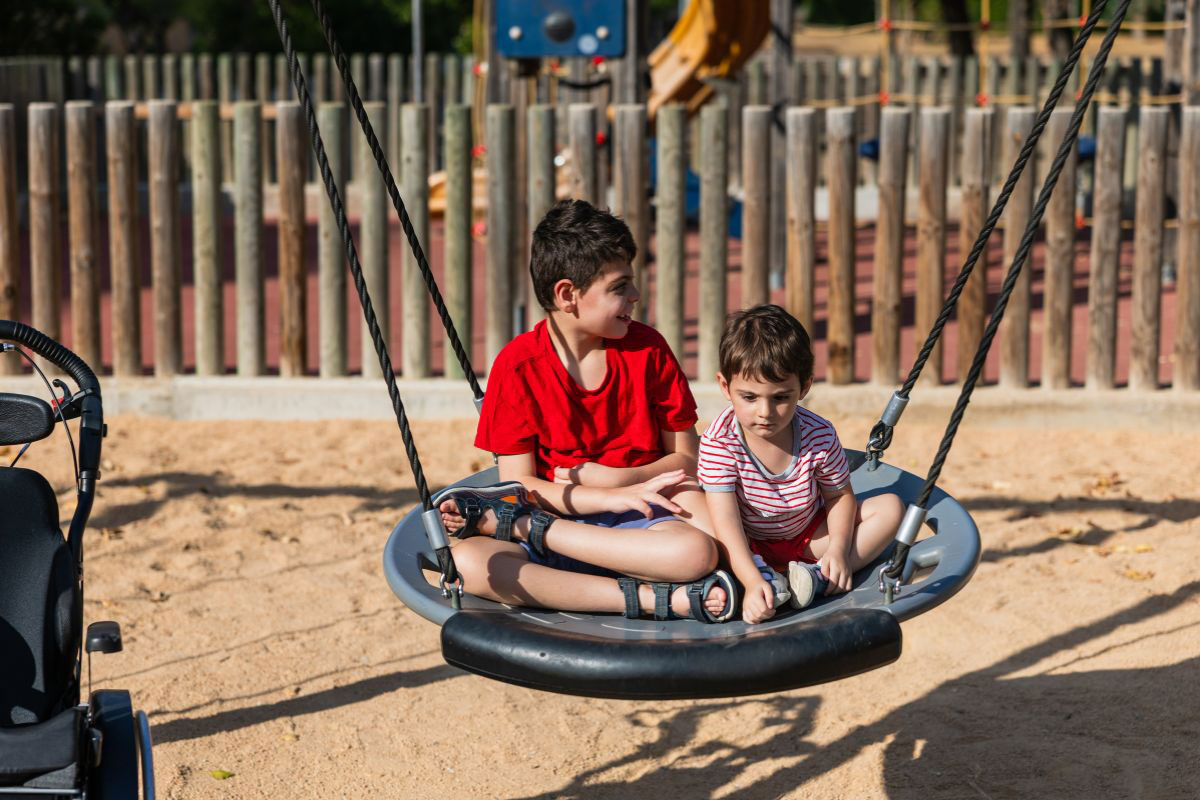
Yes. Custom orthoses are engineered to assist active movement, helping children safely participate in physical therapy, adaptive sports, playground play, and physical education.
What should I do if my child reports pain or refuses their brace?
Never force a child to wear an orthosis if they complain of sharp pain. Remove the brace, inspect the skin for pressure areas, and schedule a quick adjustment appointment with your orthotist.
Supporting Your Child’s Journey
Pediatric orthotic care is far more than delivering a plastic device—it is an ongoing partnership centered on your child's confidence, independence, and long-term joint health.
At Floyd Brace Company, our board-certified clinicians are committed to providing expert, compassionate care every step of the way, working directly alongside your family and medical team to help your child move forward comfortably.
