AFO Braces Explained: How Custom Ankle-Foot Orthoses Improve Walking and Reduce Fall
Who needs an AFO, what it feels like, and the step-by-step fitting process
Feeling Unsteady? You are not alone.
If you have started tripping over your toes, dragging one foot, or feeling nervous about falling, it can be scary. Many people in South Carolina experience these changes after a stroke, with diabetes, or as they get older.
One of the most helpful tools your care team may recommend is an AFO brace.
What Is an AFO Brace?
AFO stands for ankle-foot orthosis.
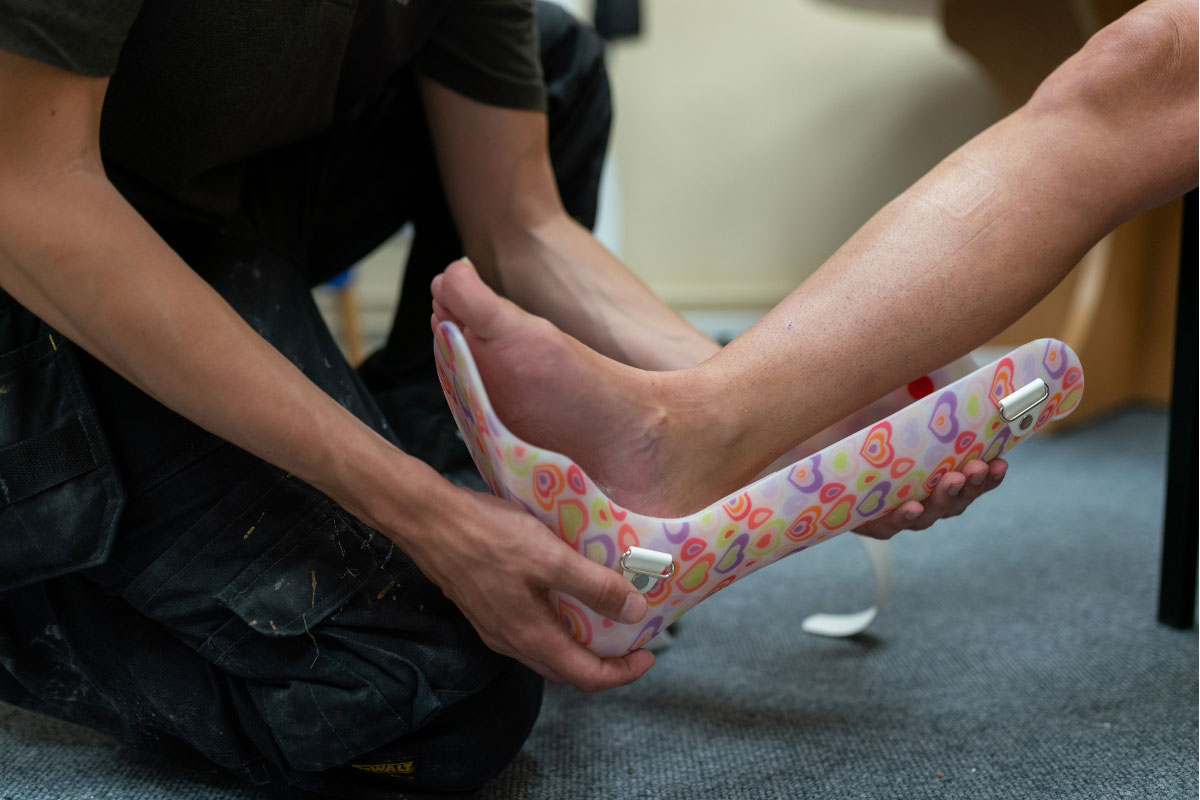
An AFO is a custom-made brace that supports your ankle and foot so each step feels safer, steadier, and more controlled. At Floyd Brace Company, our board-certified orthotists have been fitting custom AFO braces since 1942, helping patients walk with more confidence and reduce their risk of falls.
A custom AFO brace can help keep your toes from catching the ground, support a weak ankle so it does not roll or collapse, improve your balance and stability, reduce your risk of trips and falls, and decrease fatigue so you can walk farther with less effort.
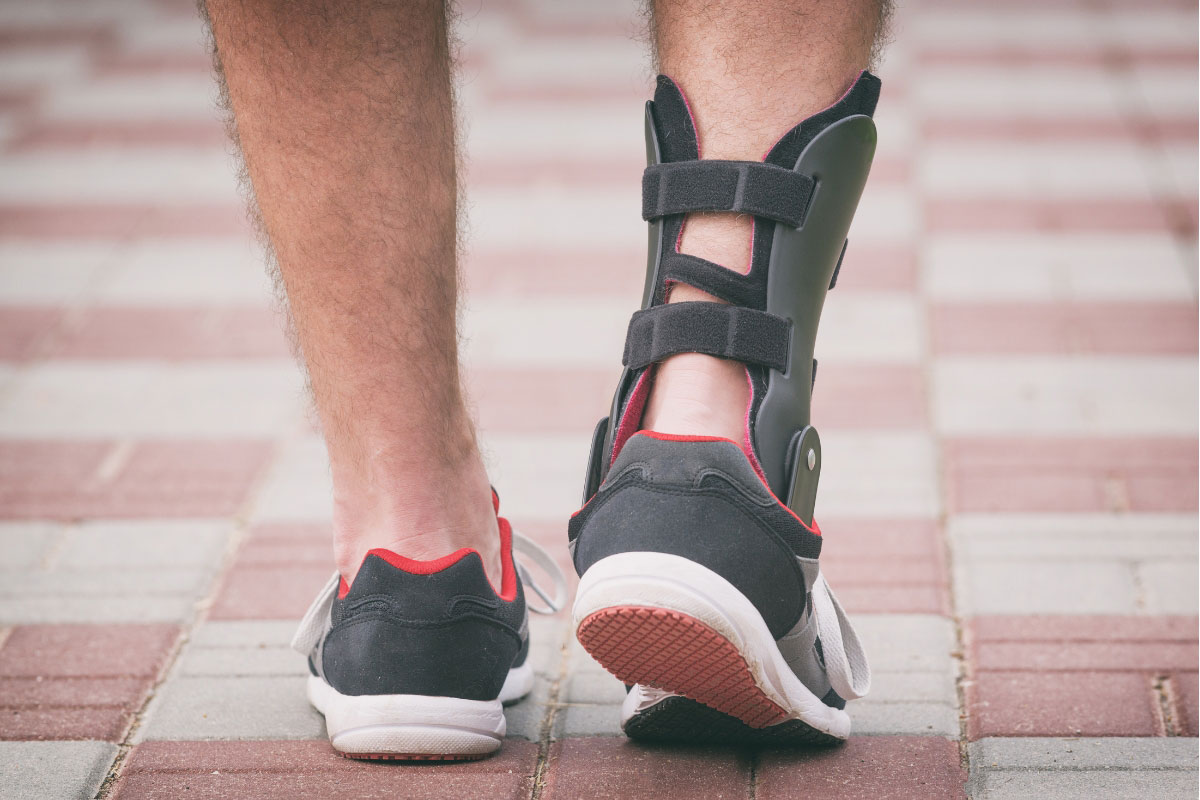
Some AFOs are made of plastic, some of lightweight carbon fiber, and some are hinged to allow controlled ankle movement. The “right” design depends on your diagnosis, strength, and goals.
Not sure if an AFO is right for you? Our team can review your situation and walk you through your options.
Who Typically Needs an AFO?
Your doctor, therapist, or orthotist may recommend an AFO if your ankle or foot is not moving safely on its own.
Common Conditions That May Benefit From an AFO
People of all ages may use an AFO, including those with:
Stroke (often causing foot drop)
Multiple sclerosis (MS)
Cerebral palsy (children and adults)
Diabetic neuropathy and muscle weakness
Spinal cord or nerve injuries
Certain muscle diseases or neurologic conditions affecting the leg
Everyday Signs You Might Benefit From an AFO
You may be a good candidate for an AFO if you notice that your toes drag when you walk, you trip or stumble more often than you used to, you feel like your ankle wants to “give way,” you swing your leg out to the side to clear your foot, or you feel very tired after even short walks because your muscles are working overtime.
If you see yourself in this description, it does not automatically mean you need a brace, but it does mean it is worth talking with your doctor or a certified orthotist.

Seniors, Balance, and Fall Prevention
As we age, muscles can weaken and nerves may not send signals as quickly as they used to. Many older adults want one thing above all: to stay independent and avoid falls. A custom AFO can provide extra support when you walk, help prevent the foot from catching on rugs or uneven ground, and make you feel more secure on stairs and curbs.
For many of our patients, an AFO becomes one important part of a complete fall-prevention plan that may also include physical therapy, home safety changes, and the right footwear.
AFOs for Children
Pediatric AFOs are commonly used for children with cerebral palsy, developmental delays affecting balance and walking, neuromuscular conditions, and certain orthopedic conditions that affect the foot and ankle. For kids, AFOs can support better alignment, balance, and walking patterns so they can keep up with friends, participate in play, and reach important developmental milestones.
Caring for a child who might need extra support with walking or balance?
How AFO Braces Improve Walking and Reduce Falls
A custom AFO is much more than “a plastic brace.” It changes how your leg and foot move with each step.
Support and Alignment
When muscles are weak, the ankle can wobble or the foot can collapse inward or outward. An AFO holds the ankle in a safer, more neutral position, prevents the toes from dropping into foot drop, and reduces “foot slap,” where the foot hits the ground too quickly. Better alignment means each step lands more predictably and safely.
Improved Stability
By controlling side-to-side motion of the ankle, an AFO can help you feel steadier when turning or changing direction, give you more confidence on uneven surfaces like grass or gravel, and decrease the sense that your ankle might roll without warning.
A More Natural Gait Pattern
Without support, your body has to compensate for weakness and poor control. You might hike your hip up to clear your toes, swing your leg out to the side, or lean your trunk to keep your balance. Over time, these compensations can cause pain in your hips, back, and knees.
An AFO helps you lift your foot more normally, take smoother and more even steps, and reduce strain on other joints that have been working too hard to make up for your foot and ankle.
Less Energy, More Distance
When your brace is doing part of the work, your muscles do not have to work as hard. Many patients notice less fatigue with walking, more consistent steps, and the ability to walk farther or stand longer without feeling worn out.
Working Together With Therapy
AFO braces and physical therapy are a powerful combination. While the AFO supports your limb, therapy helps improve strength, flexibility, and balance. At Floyd Brace Company, our clinicians often coordinate with your therapist to fine-tune your brace and support your overall fall-prevention plan.

Custom AFO vs Off-the-Shelf: Why Custom Matters
You may see generic “foot drop braces” or ankle braces online, but they are not the same as a custom ankle-foot orthosis.
What “Custom” Really Means
A custom AFO is designed specifically for your anatomy and diagnosis, made from a detailed mold, cast, or digital scan of your leg and foot, aligned to your unique muscle strength, flexibility, and walking pattern, and adjusted and fine-tuned directly on your body.
Benefits of a Custom AFO Brace
This level of customization can offer better comfort with fewer pressure points when properly monitored, more precise support exactly where you need it, and a much higher chance that you will actually wear the brace because it feels like it truly fits you and your life.
Limitations of Off-the-Shelf Braces
By contrast, over-the-counter braces may not control your ankle the way your doctor intended, may move or slip because they are not shaped to your leg, and can create rubbing or pressure in the wrong places. For simple sprains, a store-bought brace may be fine. For neurological weakness, foot drop, or long-term support, a custom AFO is usually the safer, more effective choice.
What an AFO Brace Feels Like: Honest Expectations
It is completely normal to wonder, “What will this feel like?”
The First Few Days
At first, a custom AFO may feel snug around your calf and ankle, supportive under your foot, and a bit different or bulky until you get used to it. You should feel supported, not pinched.
What Is Not Normal
Call your orthotist if you:
Have sharp pain or burning while wearing the brace
See red areas on your skin that do not fade 20–30 minutes after taking it off
Notice blisters, open areas, or new numbness
These are signs the brace may need an adjustment.
The Break-In Period
Most people do best when they gradually build up wear time. A typical pattern (your clinician may adjust this) might be:
Day 1–2: 1–2 hours on, then off, while checking your skin
Day 3–4: 3–4 hours, broken into shorter sessions
Day 5 and beyond: Longer wear as tolerated and recommended
If anything feels wrong, you should not “tough it out.” Call your Floyd Brace clinician. Adjustments are a normal part of the process.
Shoes, Socks, and Skin Checks
To protect your skin and get the best results, wear smooth, clean, preferably long socks with no wrinkles, use sturdy shoes with removable insoles and enough depth for the brace, and check your skin daily, especially if you have diabetes or reduced feeling in your feet.
Worried about comfort, skin issues, or adjusting to a brace?
Step-by-Step: The AFO Fitting Process at Floyd Brace Company
Here is what you can expect when you come to Floyd Brace for an AFO brace in South Carolina.
Step 1: Referral or First Contact
You may be referred by a physician, podiatrist, neurologist, or therapist, or you may call us yourself to see if an evaluation makes sense. Our team will help gather your information and schedule you at the Floyd Brace location closest to you.
Step 2: Comprehensive Evaluation
At your visit, you will meet with a board certified orthotist who will review your medical history and current concerns, ask about your goals (“What do you most want to be able to do?”), watch how you stand and walk, and check your joint motion, muscle strength, and balance. This is not a rushed process. We want to understand the whole picture so we can design the right solution.
Step 3: Choosing the Right AFO Design
Based on your evaluation, your clinician will recommend a brace type such as a more rigid AFO for maximum support, a semi-rigid or hinged AFO to allow controlled motion, or a lightweight carbon-fiber design for active walking. We will explain your options in plain language, including pros and cons, so you feel like a partner in the decision.

Step 4: Casting, Scanning, or Measuring
To make your AFO truly custom, we will either take a plaster mold, use a digital scanner, or take detailed measurements of your leg and foot. This process is painless and usually quick.
Step 5: Fabrication and Quality Review
Your AFO is then fabricated to your exact measurements using high-quality materials. Before you ever see it, it is checked for quality, its edges are smoothed, and straps and padding are prepared for comfort.
Step 6: Fitting Appointment
At your fitting appointment, we will help you put the AFO on with the right sock and shoe, check for areas of pressure while you sit, stand, and walk, and make on-the-spot adjustments such as trimming, padding, or strap changes as needed. You will walk in the office while we make sure your brace is doing its job and you feel as comfortable as possible.
Step 7: Education and Training
We will teach you how to put the brace on and take it off, how long to wear it at first, how to clean and care for it, and what to watch for on your skin. When appropriate, we will coordinate with your physical therapist so that the brace and therapy work together.
Step 8: Follow-Up and Long-Term Care
We believe your AFO is not just a product, it is a long-term partnership. We schedule follow-up visits to check comfort and function, invite you to call us anytime you notice changes or have concerns, and adjust or remake your brace as your strength, weight, or health changes. You will see a consistent, caring team who gets to know you and your goals over time.
Ready to start this process with a team that stays with you for the long term?
Living With Your AFO Day to Day
Once your AFO is part of your routine, it often becomes something you do not think about much, and that is a good thing.
Daily Routines
Many patients wear their AFO during all waking hours when they are on their feet, while others use it during higher-risk activities like shopping, going to church, or walking outdoors. Your exact plan will be tailored to you and your lifestyle.
Staying Active and Preventing Falls
Along with your AFO, using any cane or walker your therapist recommends, taking your time on stairs and uneven surfaces, and keeping floors clear of clutter and loose rugs can greatly reduce your risk of falls.
Caring for Your Brace
You can care for your brace by wiping the AFO with a damp cloth and mild soap as recommended, keeping it away from high heat (such as a hot car), and regularly inspecting straps and padding. If anything cracks, loosens, or changes, schedule a visit. Do not try to heat or bend it yourself.
Common Questions About AFO Braces
Will Medicare or my insurance cover an AFO brace?
Many insurance plans, including Medicare, do cover medically necessary AFO braces. Coverage varies by plan, so our team will help verify your benefits and explain your options before moving forward.
How long does it take to get a custom AFO?
Timelines vary, but many patients receive their finished brace within a few weeks of their evaluation. Your clinician can give you a more specific estimate based on your situation.
How long will my AFO last?
With proper care, many AFOs last several years. Children often need new braces more frequently because they are growing. Your activity level and health can also affect how long a brace lasts.
What if I already have an AFO that hurts or I stopped wearing it?
You are not alone. Many people give up on a brace because it was never truly comfortable or properly adjusted. We are happy to evaluate your current AFO, make adjustments if possible, or discuss whether a new design would better meet your needs.
Why Choose Floyd Brace Company for Your AFO in South Carolina?
Since 1942, Floyd Brace Company has helped South Carolinians walk, move, and live more confidently with custom orthotic and prosthetic care.
When you choose Floyd Brace for your AFO, you get:
Expertise: Board-certified clinicians with decades of experience fitting AFO braces for stroke, diabetes, neurologic conditions, and pediatric needs.
Quality: Custom-made devices using high-quality materials, carefully fitted and adjusted to your body and your life.
Compassion: A team that listens first, explains clearly, and walks with you through every step of the process.
Local convenience: Multiple locations across South Carolina so care is as close to home as possible.
Continuity of care: The same familiar faces at your follow-up visits, focused on your long-term safety and independence.
Ready to Feel Steadier on Your Feet?
If you are worried about falls, struggling with foot drop, or wondering whether an AFO brace might help you or a loved one, we are here to talk. You can schedule an AFO evaluation at the Floyd Brace location nearest you, call us to speak with a member of our caring team about your questions, or send us a message online and we will help you understand your options.
You do not have to face balance problems or foot drop alone. With the right support and the right brace, many patients regain confidence in every step. Floyd Brace Company is here to help you get there.
