How a Prosthetic Socket Is Designed: Why Fit Is the Foundation of a Successful Prosthesis
When you are preparing for a prosthesis, or helping someone you love, the questions are personal: Will it feel secure? Will sitting be comfortable? What happens if the fit changes?
Understanding prosthetic socket design can make the process less mysterious. It begins with your body and goals, then develops through careful shaping, fitting, and feedback.
What Is a Prosthetic Socket?
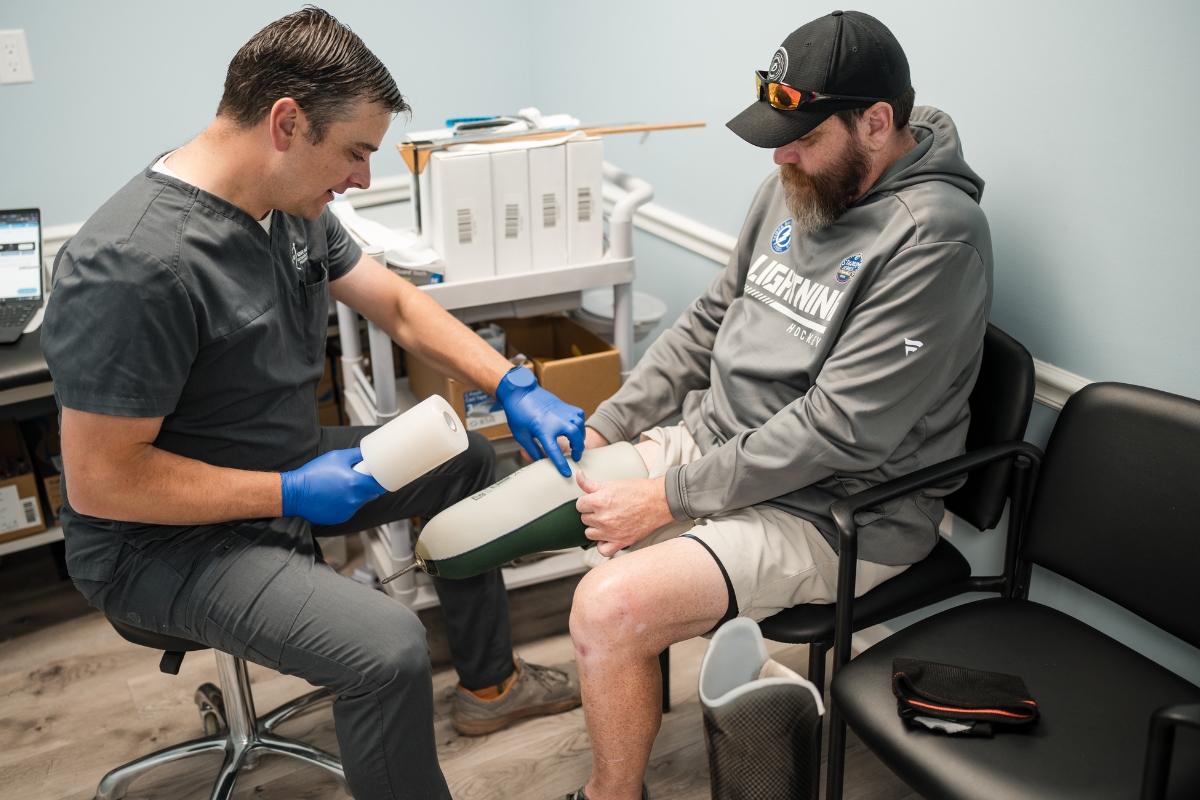
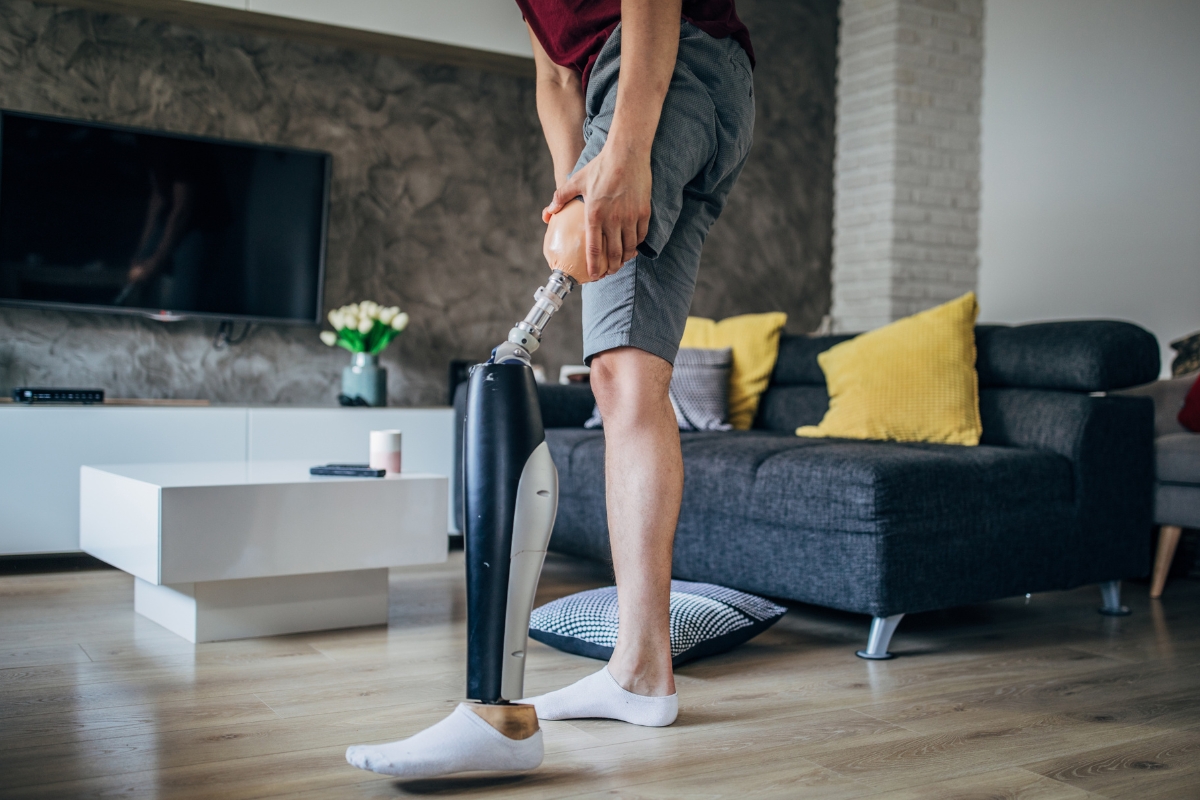
A prosthetic socket is the custom-shaped part of a prosthesis that receives your residual limb, the portion of the limb that remains. It connects your body to the rest of the device. An unsuitable fit can cause discomfort, unwanted movement, or skin injury.
Designing a socket involves evaluating the person, capturing limb shape, selecting compatible components, and refining the fit. It is a clinical process, not simply a manufacturing task. This article focuses on lower-limb examples, including standing and walking, but many of the aspects of socket design would apply to upper-limb prostheses as well.
The Evaluation: Looking Beyond Measurements
A prosthetist evaluates skin condition, sensation, limb shape, soft-tissue firmness, joint movement, and strength. Previous prosthetic experience, daily activities, and available caregiver support also help inform the plan.
These findings explain why two people with similar measurements may need different designs. Sensitive tissues present different fitting considerations than tissues that tolerate pressure more comfortably. Limited movement or difficulty reaching the limb can also affect how someone uses and manages a prosthesis.
Your goals belong in this conversation. Getting in and out of a car, standing at work, and putting the prosthesis on independently all deserve discussion.
For an overview of the broader process, read our guide to your first prosthesis.
Why a Cast or Scan Is Only the Starting Point
A cast or digital scan provides information about limb shape. It does not, by itself, reveal every sensitive area or show how tissues will tolerate pressure. The prosthetist combines shape information with a hands-on assessment.
The socket is then deliberately shaped to manage how forces pass between the limb and the prosthesis. Depending on the design, this may involve creating support around tissues that tolerate loading and additional space around vulnerable areas.
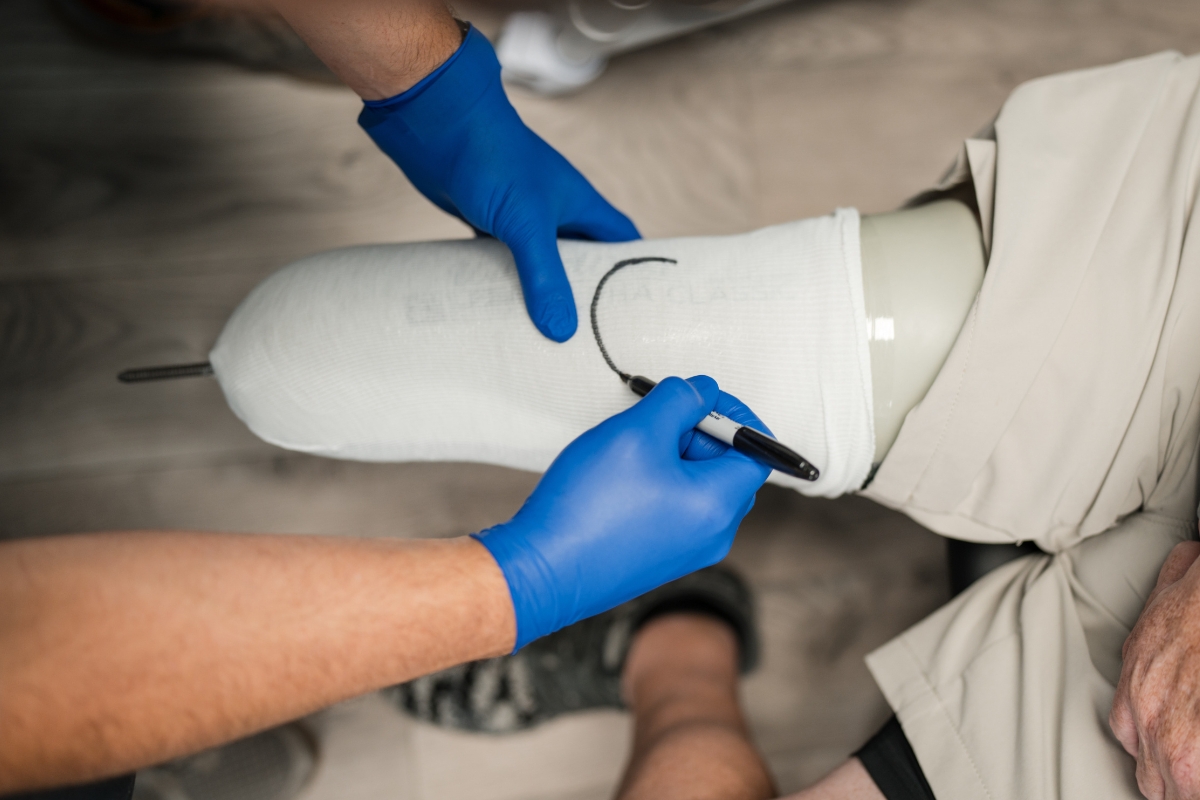
The goal is not to eliminate all pressure. A socket needs contact to provide support and control. The challenge is distributing that contact appropriately for the individual.
This is where clinical judgment and craftsmanship meet: the captured shape must become a functional connection, not simply a rigid copy of the limb.
How Liners and Suspension Influence Fit
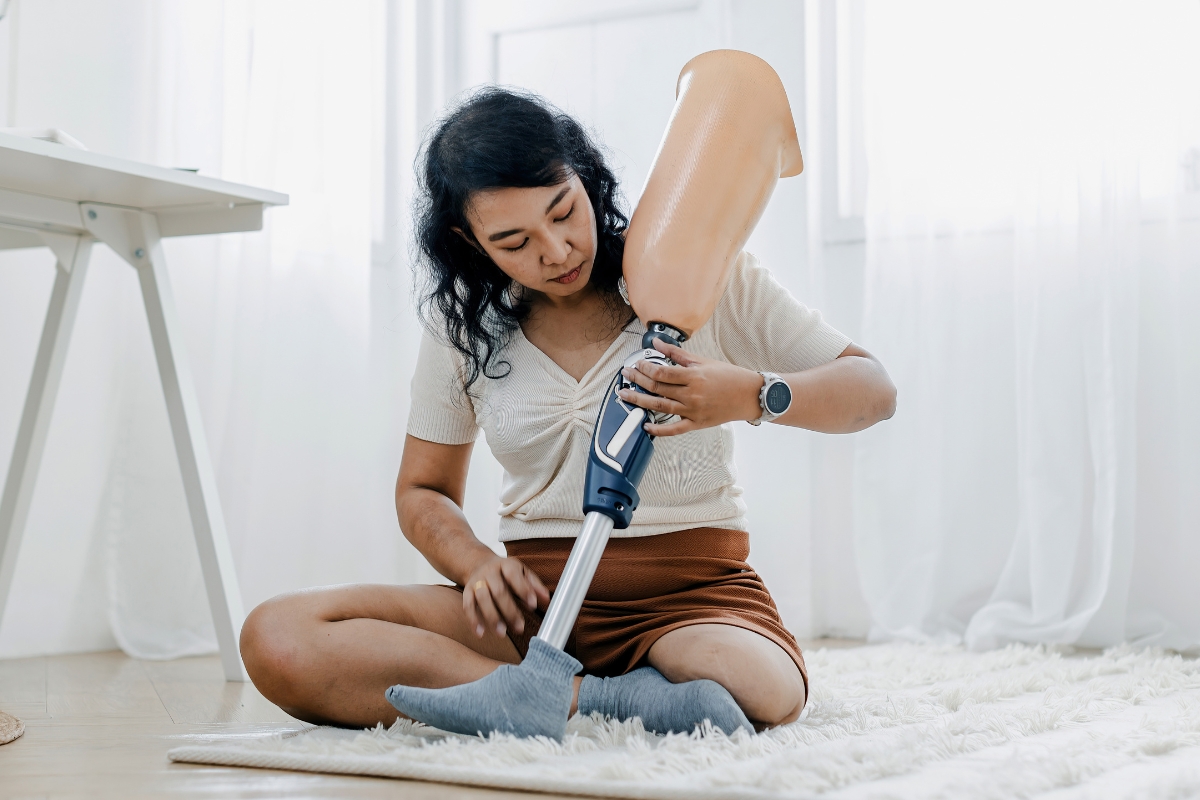
A liner is an interface worn between the residual limb and socket. It can provide cushioning and help protect the skin. Suspension is the method that holds the prosthesis onto the limb, such as a locking pin, suction, a sleeve, or a vacuum-assisted system.
These choices work together. A liner’s material, thickness, and connection method affect its compatibility with the socket and suspension. Changing one part can change how the others function.
The practical demands differ, too. A locking pin must engage with its lock, while suction-based systems depend on maintaining an appropriate seal.
Selection therefore involves more than choosing a technology. Can the person put the liner on correctly? Can they manage the connection and release mechanism? How do skin condition, limb shape, hand dexterity, and daily activities affect the options?
A secure system must also be manageable in everyday life. No liner or suspension choice should be treated as automatically right for everyone.
What Happens During Test Fittings?
Testing the Design Before Longer-Term Use
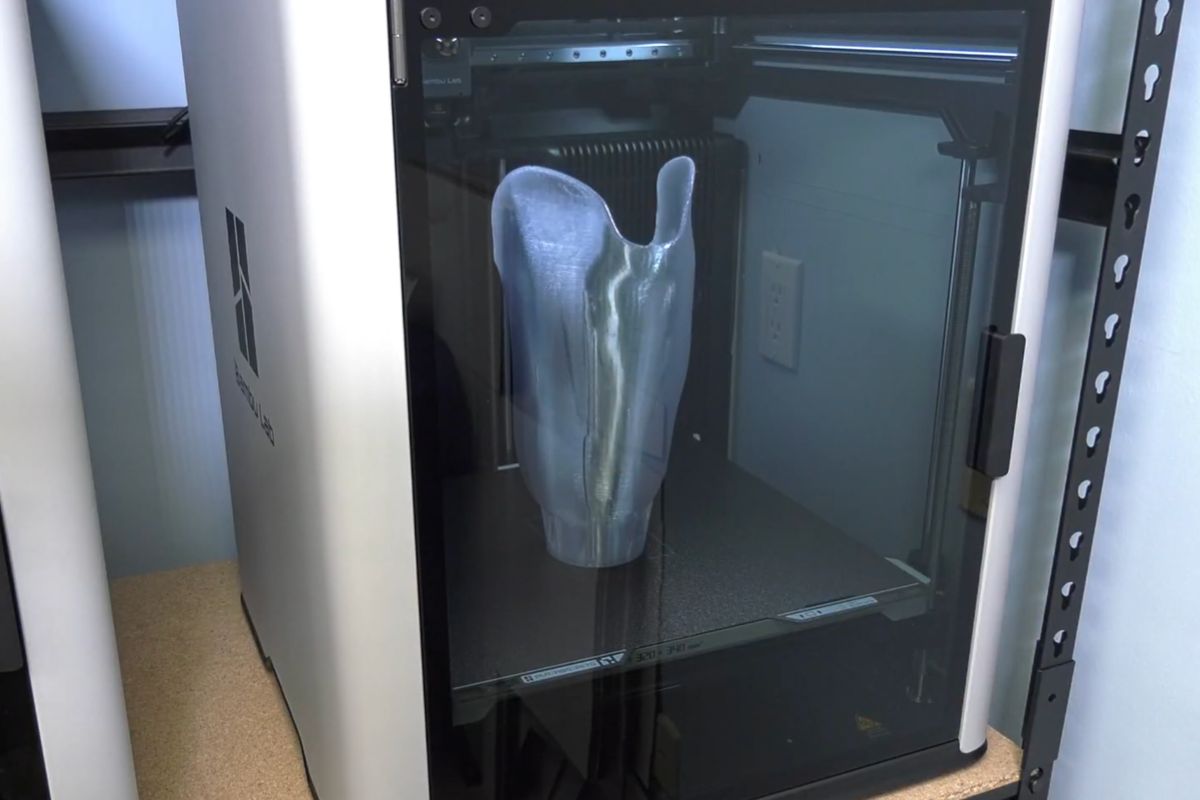
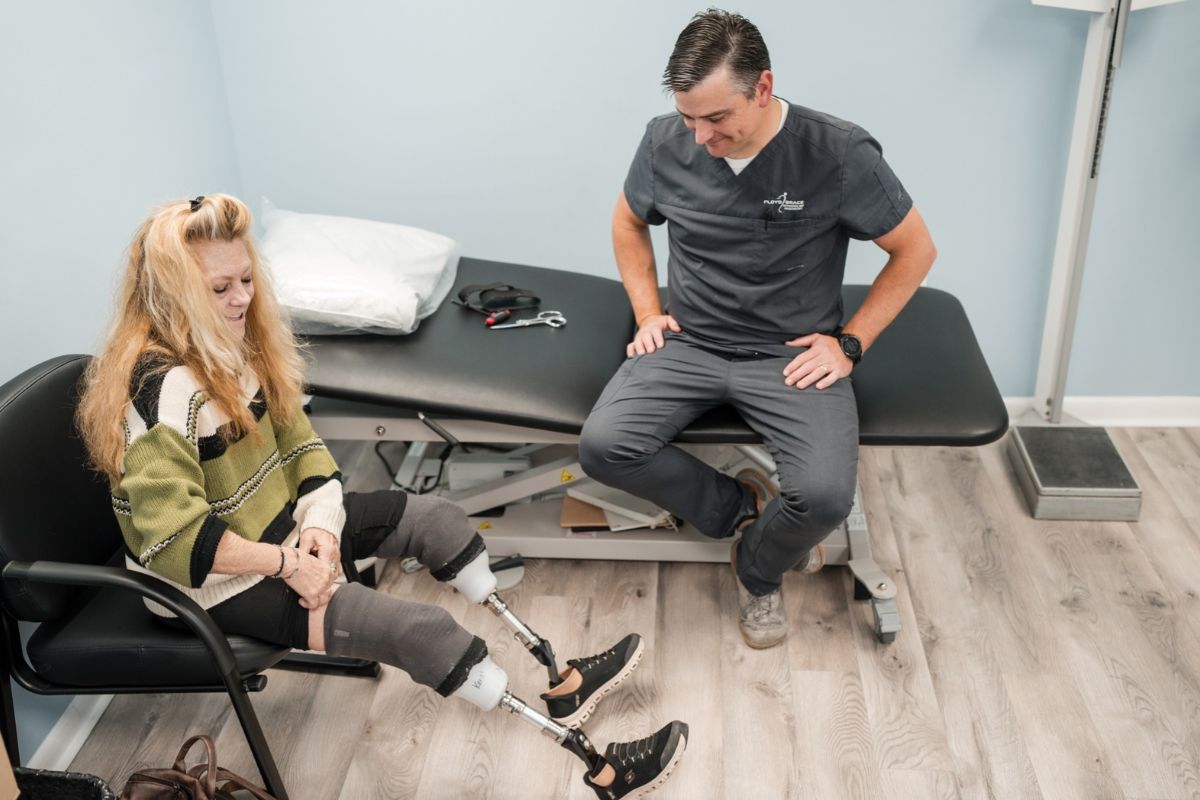
When a diagnostic or check socket is used, it allows the prosthetist to evaluate and refine the proposed fit. These sockets are often made from transparent, adjustable plastic so the clinician can inspect the fit and modify the shape. Evaluation may progress to supported standing and walking, when appropriate.
The purpose is to learn how the design performs, not to see how much discomfort someone can tolerate.
Skin checks matter alongside comfort reports, particularly when sensation is reduced. How a socket feels is important, but it is not the only way to assess its effect on the limb.
Looking at the Whole Prosthesis
Socket fit and alignment are related but different. Alignment describes how the socket and other components are positioned relative to one another. Changes in alignment affect the forces acting through the prosthesis during movement. The clinician therefore considers the overall setup, not just the location of discomfort.
Your feedback is part of this process. Describe where pressure occurs, when it begins, and which movements bring it on. A caregiver can help keep notes.
Getting to the longer-term fit may involve several adjustments. Receiving the prosthesis does not end the clinical relationship.
Why Socket Fit Can Change Over Time
Residual-limb size can change during the day and over longer periods. Healing, changes in swelling, muscle changes, and weight changes can affect the relationship between the limb and socket.
A socket that fitted well previously may therefore begin to feel different. That change deserves assessment rather than an assumption that the person simply needs to get used to it.
Adjustment or Replacement?
The prosthetist considers what changed, how much it changed, and whether the existing socket can still provide appropriate support. Some situations can be addressed through adjustments or an individualized fit-management plan. Others require a new socket.
Prosthetic socks may be part of that plan for some people, but the appropriate approach depends on the socket and suspension. Adding socks is not a universal answer to discomfort.
Follow-up provides an opportunity to compare the current fit with earlier experiences and discuss changing needs. This is the practical value of continuity of care: fitting is an ongoing relationship, not a single delivery appointment.
When to Speak With Your Prosthetist
Persistent discomfort, recurring redness, blisters, skin breakdown, unexpected slipping, or new difficulty putting on the prosthesis warrant attention. These concerns should not be dismissed as an unavoidable part of using a prosthesis.
A prosthetist can evaluate device-related factors. Wounds or possible infection also require medical assessment; not every painful or irritated area is caused by socket fit.
Avoid reshaping the socket or altering components yourself. Patient-specific adjustments and instructions belong with your treating clinician.
Frequently Asked Questions
How Tight Should a Prosthetic Socket Feel?
The goal is secure, comfortable contact, not the tightest possible fit. Pain, skin injury, or excessive movement require assessment rather than using tightness alone to judge fit.
How Many Fitting Appointments Will I Need?
There is no single number. The process depends on your limb, the design, your feedback, and the adjustments needed. More than one visit may be necessary.
Is a Test Socket the Same as My Everyday Socket?
A test socket is intended to evaluate and refine fit. It is not automatically approved for unrestricted daily use. Your prosthetist determines how that particular socket may be used.
Can a Different Liner Solve a Socket-Fit Problem?
Sometimes an interface change is appropriate, but liners and sockets must work together. A different liner is not a substitute for evaluating the cause of discomfort.
For more background, explore our answers to common questions about a first prosthesis.
Individualized Prosthetic Care at Floyd Brace
Floyd Brace Company has served South Carolina since 1942. Our prosthetic services bring together individualized planning, custom fabrication, and ongoing adjustments as patients’ needs change.
Whether you are preparing for your first fitting or noticing a change in an existing prosthesis, your questions deserve careful attention. Contact Floyd Brace to discuss your concerns and arrange an individualized evaluation.
This article provides general education. Socket selection, fit management, and treatment recommendations require evaluation by a certified prosthetist and, when appropriate, your medical team.
