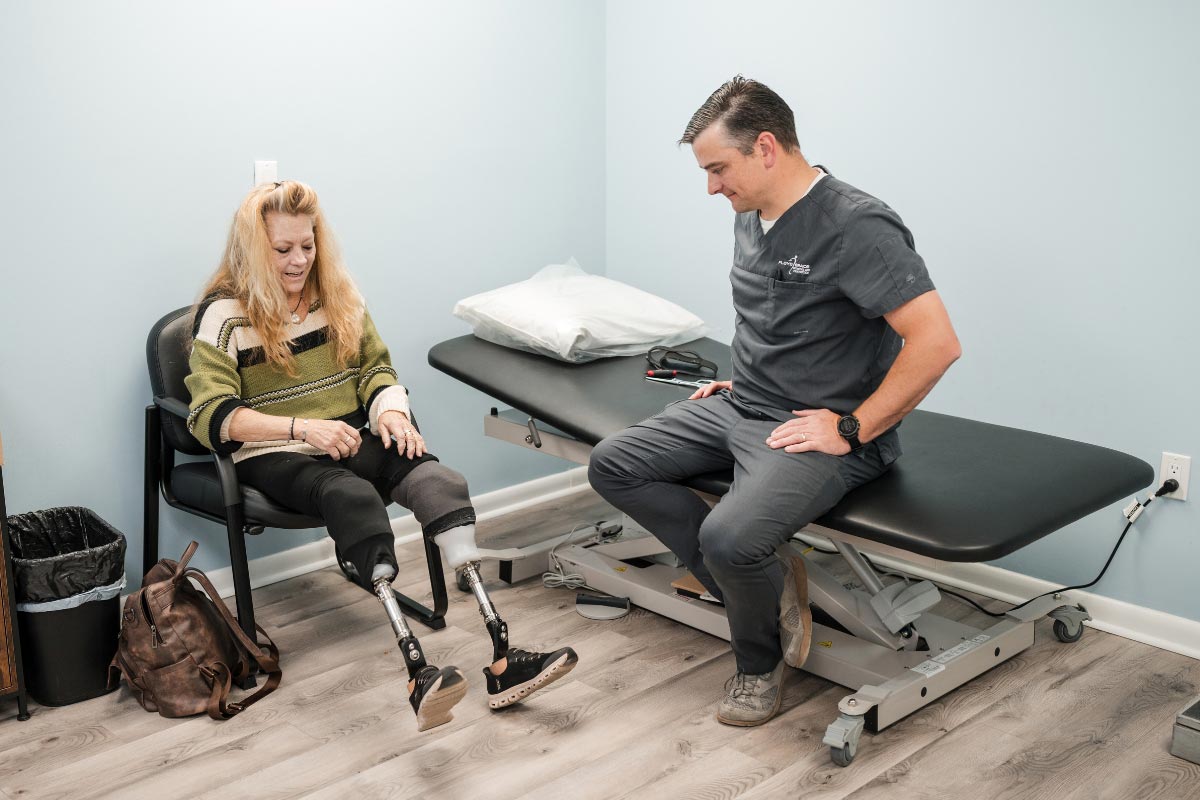
Top Questions New Amputees Ask About Their First Prosthesis
Getting your first prosthesis is a major milestone. It can bring hope, relief, and excitement, but it can also come with a lot of questions.
That is completely normal. At Floyd Brace, we care about the full patient journey, from the moment something brings you to us to the everyday life that follows. A prosthesis is not just a device. It is part of how you move, live, and grow in confidence.
If you are new to wearing a prosthesis, here are some of the most common questions people ask after getting their first one.
1. Is it normal for my first prosthesis to feel strange?
Yes, it is. A first prosthesis often feels unfamiliar in the beginning because your body is adjusting to a new fit, new pressure, and new ways of moving.
Even when the device is made well and fits properly, it can still take time to feel natural. Most people need a period of adjustment as they learn what feels normal and what may need attention.
2. How long does it take to get used to a first prosthesis?
The answer is different for everyone. Some people begin to feel more comfortable fairly quickly, while others need more time as their body heals and adapts.
Your comfort level can depend on several factors, including:
Your overall healing progress
Changes in your residual limb
Your activity level
The type of prosthesis you have
How often you wear it
Whether adjustments are needed along the way
The important thing to remember is that progress usually happens step by step. You do not need to have everything figured out right away.
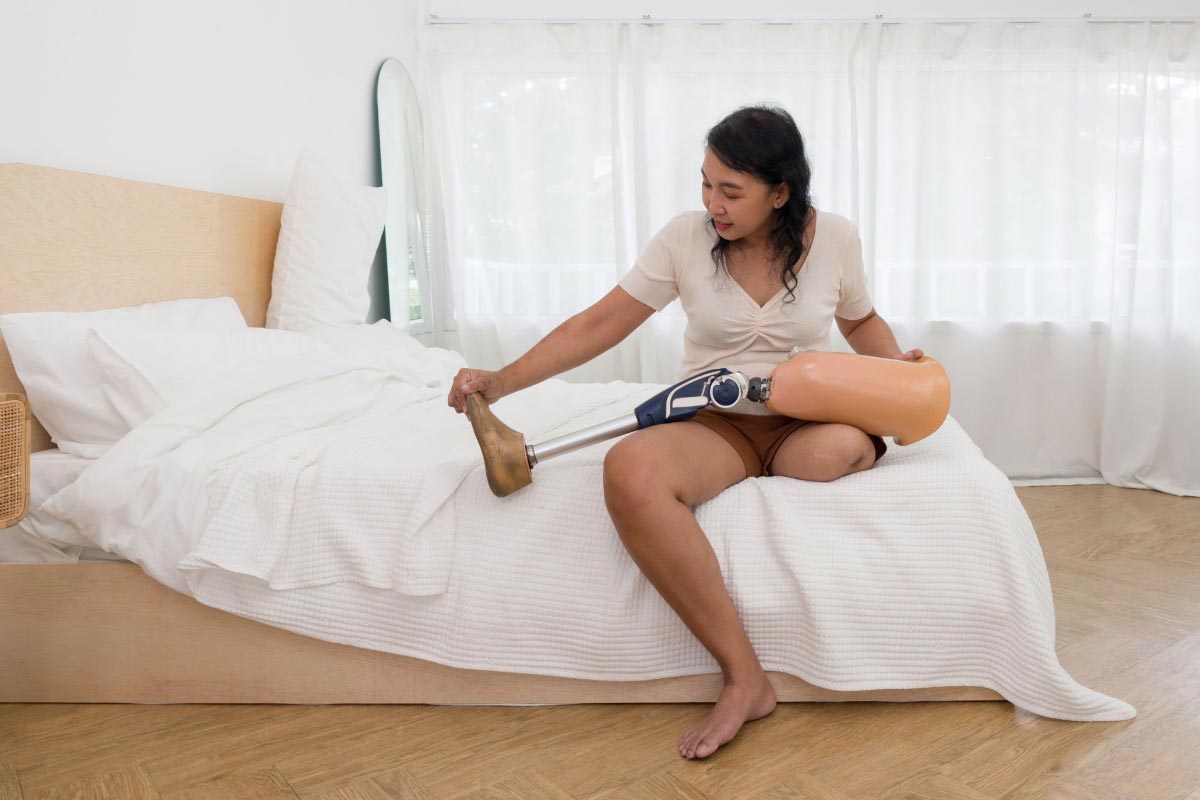
3. How many hours a day should I wear my prosthesis?
Most new amputees start with short wear times and gradually increase from there. Wearing it too long too soon can lead to discomfort, irritation, or fatigue.
Your clinician will usually guide you through a break-in schedule based on your needs. Following that plan can help your body adapt more comfortably and reduce problems early on.
Need guidance on wear time for your first prosthesis? Contact Floyd Brace for personalized support as you adjust to daily use.

4. What kind of soreness is normal, and what is not?
It is common to feel some mild soreness or muscle fatigue at first, especially as your body learns new movement patterns. This can happen because muscles are working in ways they may not have before.
What is not normal is pain that feels sharp, severe, or persistent. You should also pay close attention to skin breakdown, rubbing that does not improve, or pressure that makes wearing the prosthesis difficult.
Reach out to your prosthetist if you notice:
Ongoing pain
Skin irritation that gets worse
Blisters or open areas
Pressure in one spot that does not go away
A sudden change in comfort or fit
Small concerns can often be corrected before they turn into bigger issues.
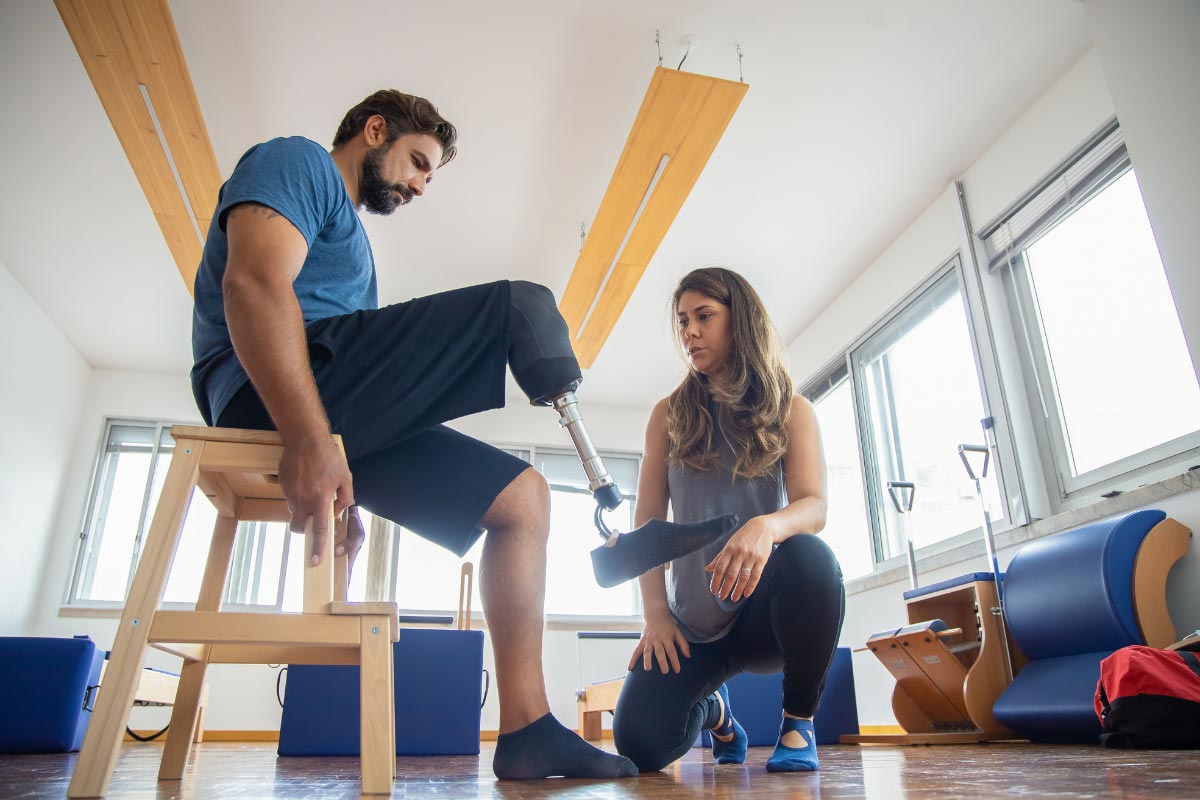
5. What should I do if my prosthesis feels loose or uncomfortable?
Do not ignore it. A loose or uncomfortable prosthesis does not always mean something is seriously wrong, but it does mean it should be checked.
It is very common for fit to change, especially in the early weeks and months. Your residual limb may change shape or volume as healing continues, and those changes can affect how the prosthesis feels throughout the day.
If your prosthesis feels loose, unstable, or uncomfortable:
Take note of when it happens
Pay attention to whether it changes during the day
Check your skin after wear
Contact your prosthetist for guidance
Adjustments are a normal part of the process. You do not have to simply "get used to it" if something feels off.
6. Will I need adjustments after getting my first prosthesis?
Yes, very likely. Follow-up adjustments are a normal and important part of getting used to your first prosthesis.
Your first prosthesis is part of a process, not a one-time event. As you wear it more, your body changes, your confidence grows, and your care team learns more about how the device performs in your daily life.
Adjustments may help improve:
Comfort
Fit
Stability
Alignment
Ease of movement
Overall confidence using the device
At Floyd Brace, we want patients to know that support does not stop after delivery day. Ongoing care is part of helping you feel comfortable and confident over time.
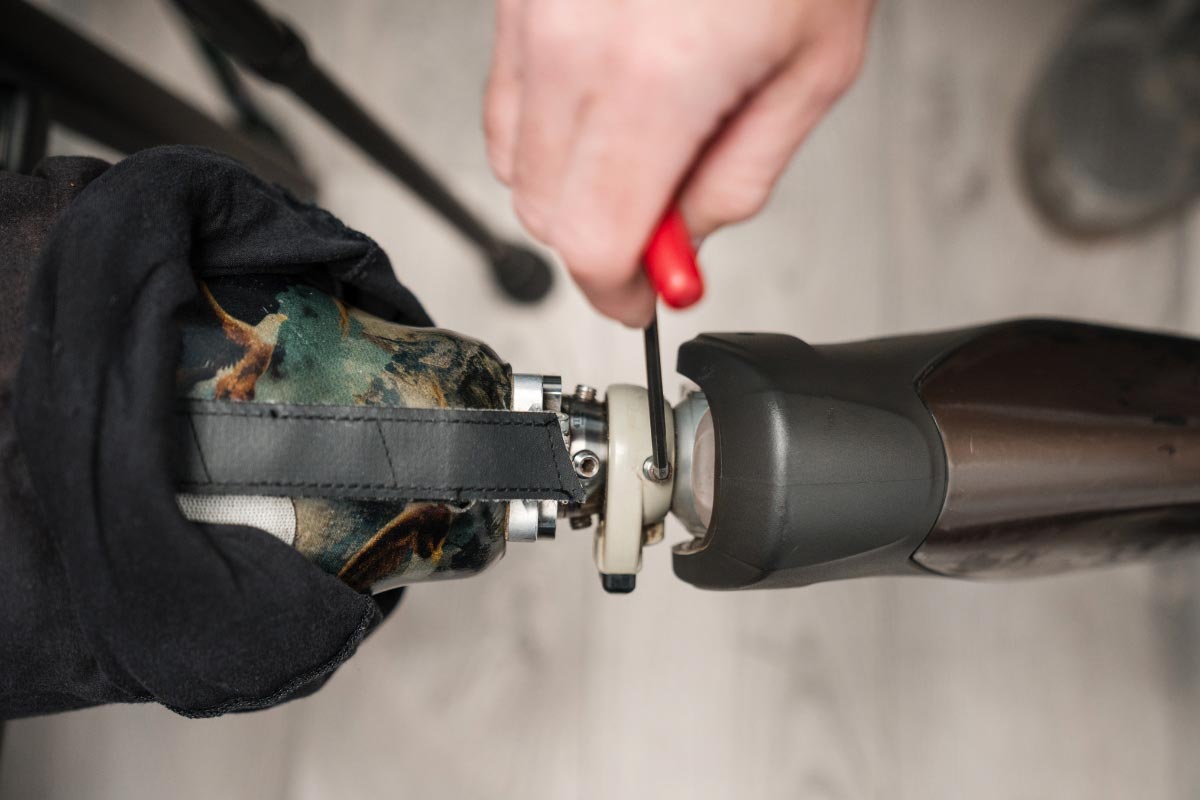
7. How do I care for my prosthesis and my skin each day?
Daily care matters. Keeping both your prosthesis and your skin clean can help with comfort, health, and long-term success.
A good daily routine often includes:
Checking your skin for redness or irritation
Cleaning liners, socks, or other components as directed
Practicing good hygiene for your residual limb
Letting your care team know if you notice changes
A simple routine can make a big difference. Paying attention every day can help you catch small issues early and feel more confident using your prosthesis.
Have questions on how to best care for your prosthesis and skin? We're here to support your comfort, confidence, and daily routine.

8. When will I feel more confident walking or moving with it?
Confidence usually builds with time, practice, and support. It is normal to feel cautious at first, especially when your body is learning balance, coordination, and trust in a new device.
For many people, confidence grows through a combination of:
Consistent wear
Proper fit
Follow-up care
Therapy or guided movement practice
Patience with the learning process
Try not to compare your progress to someone else’s. Every patient’s journey is different, and steady progress still counts as progress.
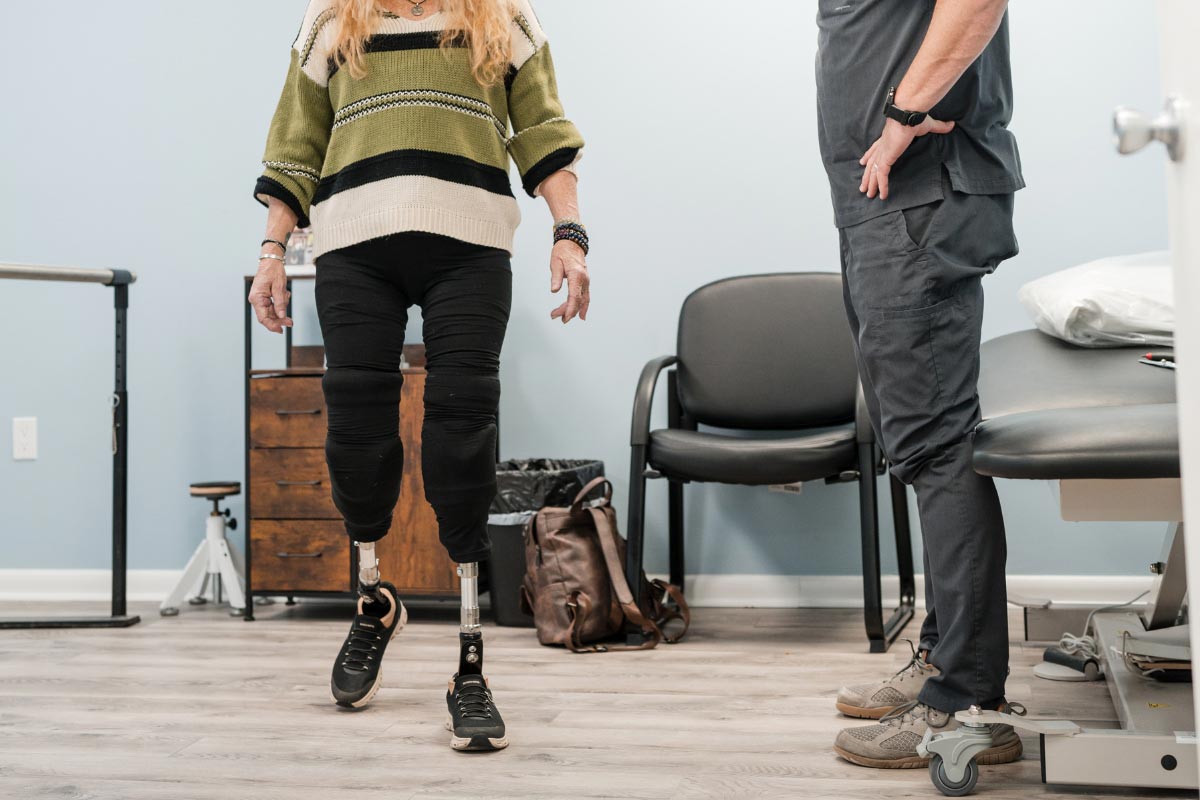
9. Will I be able to get back to normal daily activities?
Many people are able to return to important daily routines with a prosthesis. That may include walking in the community, going back to work, and enjoying hobbies.
The timeline can vary based on your health, healing, strength, goals, and type of prosthesis. What matters most is building toward the activities that are meaningful to you, one step at a time.
You may have questions like:
When can I drive again?
When can I go back to work?
Will I be able to exercise?
Can I do the things I used to enjoy?
These are good questions to talk through with your care team because the best answers depend on your situation and goals.

10. What if I feel frustrated or discouraged?
That is normal too. Adjusting to limb loss and learning to use a prosthesis is not only physical. It can be emotional as well.
Some days may feel encouraging, while others may feel harder than expected. Feeling frustrated does not mean you are failing. It means you are human, and you are working through a major life change.
At Floyd Brace, we believe care should support the whole person. That includes not only helping with fit and function, but also helping patients feel heard, respected, and encouraged throughout the process.
When should I call my prosthetist?
It is always a good idea to reach out when something does not feel right. Asking questions early can help prevent discomfort and keep you moving forward.
Call your prosthetist if:
Your prosthesis feels loose or unstable
You notice skin irritation that does not improve
You have pain or pressure that concerns you
You are unsure how long to wear it
You are having trouble with daily use
Something simply feels different than it should
You do not need to wait until a problem becomes severe. Support is part of the process.
You Do Not Have to Figure This Out Alone
Getting your first prosthesis is a big step, and it is natural to have questions along the way. Learning to live with a prosthesis takes time, support, and the right care team beside you.
At Floyd Brace, we are here for more than the fitting itself. We are here to help you feel more comfortable, more confident, and more supported in everyday life. If you have questions about your first prosthesis or need an adjustment, contact our team. We are here to help you take the next step forward.