Pediatric Orthotics 101: Gentle Support That Helps Kids Grow, Play, and Thrive
Pediatric Orthotics 101: Gentle Support That Helps Kids Grow, Play, and Thrive
Watching your child struggle to walk, keep up on the playground, or stand without fatigue can be worrying. You may notice them tripping, toe walking, leaning to one side, or avoiding activities they used to enjoy. Pediatric orthotics are designed to gently support children’s bodies so they can move more comfortably, grow in healthy alignment, and feel confident doing the things they love.
At Floyd Brace, we see pediatric orthotics as more than “braces.” They are tools that support development, protect growing joints, and give kids the chance to participate fully in childhood.
Understanding Pediatric Orthotics
Pediatric orthotics are custom devices that support a child’s feet, legs, spine, or other body part. They are designed to guide movement, improve alignment, and reduce strain on muscles and joints as a child grows.
Some of the most common types include:
SMO (Supra-Malleolar Orthoses)
SMOs wrap around the foot and ankle, just above the ankle bones. They are often used for children who have low muscle tone, poor balance, or ankles that roll inward or outward. By stabilizing the foot and ankle, SMOs help kids stand and walk with more control and confidence.
AFO (Ankle-Foot Orthoses)
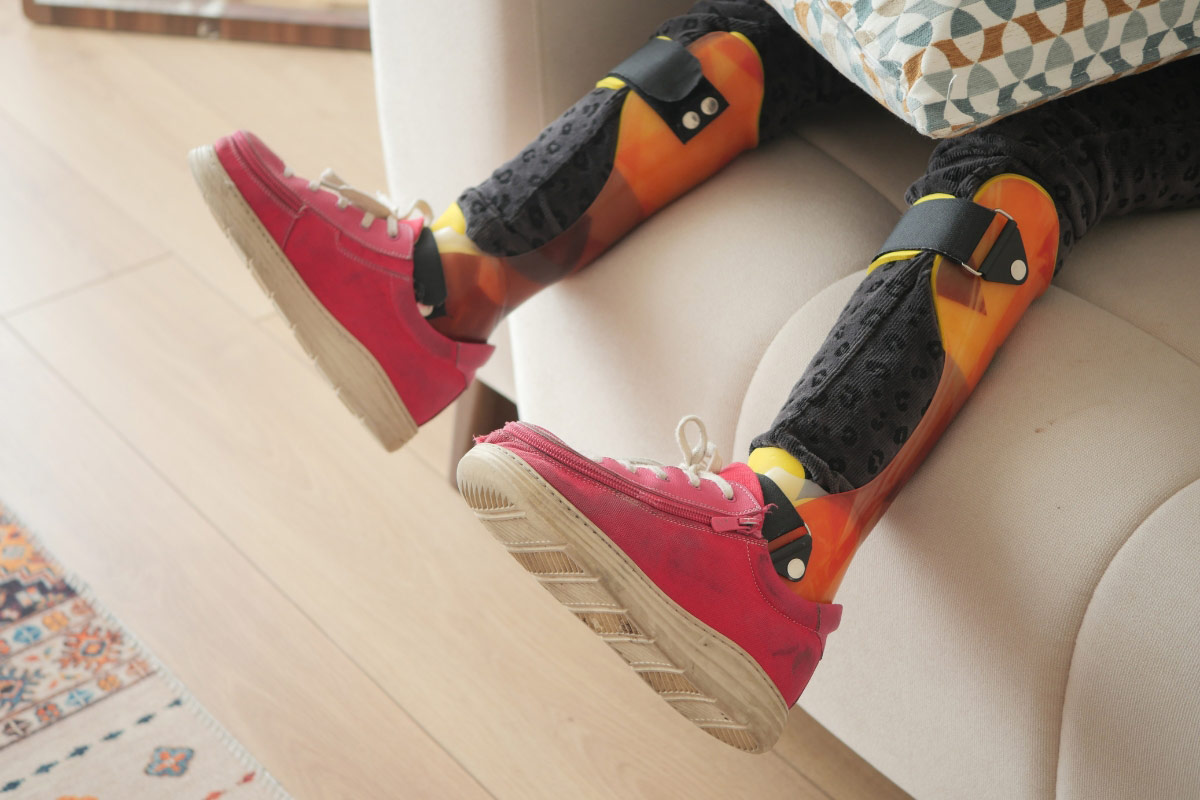
AFOs extend from just below the knee down to the foot. They can help children who have toe walking, weakness in the lower leg, uneven gait, or conditions such as cerebral palsy or foot drop. AFOs guide the foot into a safer, more efficient position with every step, which can make walking less tiring and more stable.

Spinal Braces
Spinal orthoses are often used for kids with scoliosis or other spinal alignment issues. These braces gently guide the spine into a better position and help slow or control curve progression. They are carefully designed so children can still move, breathe, and participate in daily life.
Unlike generic, off-the-shelf options, custom pediatric orthotics are shaped to your child’s body. A board-certified orthotist evaluates your child’s movement, takes measurements and molds, and designs a device that fits their unique needs, not just their shoe size.
Ready to find out if an SMO, AFO, or spinal brace could help your child move more comfortably? Our pediatric team at Floyd Brace can walk you through the options in a kind, pressure-free visit.

How Orthotics Support Development
Pediatric orthotics play an important role in both physical and emotional development.
Physically, orthotics help align bones and joints so that muscles can work more efficiently. When a child’s feet and legs are properly supported:
Their gait often becomes smoother and more coordinated.
They may use less energy to walk or run, so they tire less quickly.
The risk of long-term joint problems, pain, or abnormal bone growth can be reduced.
For many children, better alignment means fewer falls, fewer complaints of pain, and an easier time learning new motor skills like climbing, jumping, or navigating uneven ground.
Emotionally, that physical support often translates into confidence. When kids can keep up with their friends at recess, join in sports, or simply walk down the hall without fear of falling, they are more likely to participate and feel included. Parents often notice that as mobility improves, children become more outgoing, independent, and proud of what they can do.
In short, pediatric orthotics are not only about how a child walks today, but also about how they feel about themselves and their abilities as they grow.

Choosing the Right Orthotic for Your Child
Choosing the right orthotic is a team effort between your family and a pediatric orthotist. The device that works best for your child depends on several key factors.
Your child’s age and stage of development matter. A toddler who is just learning to walk may need a very different device than a teenager who is playing sports or going through a growth spurt. Younger children may require lighter, more flexible designs that allow exploration and play, while older children might need more structured support for higher-impact activities.
The underlying condition also guides the decision. For example, a child with mild flat feet and frequent tripping might be well served by SMOs, while a child with cerebral palsy and tight calf muscles could benefit more from AFOs that control ankle motion and heel contact.
Activity level is another important factor. A highly active child who loves the playground needs a brace that can handle jumping, running, and climbing while still maintaining support. A child who spends more time in a classroom or at therapy may have different needs in terms of flexibility and design.
Finally, comfort and fit are non-negotiable. A custom-fitted orthotic should feel snug but not painful. If a child is constantly trying to yank off their brace or complains persistently, that is a sign the device may need adjustment. Because children grow quickly, regular follow-up visits are essential. Your orthotist will check how the device fits as your child’s body changes and recommend modifications, new liners, or a new brace when necessary.
If you are weighing different brace options and feel unsure what is best, you do not have to decide alone. A Floyd Brace pediatric orthotist can examine your child, answer your questions, and recommend a custom plan that fits their age, activity level, and goals.

Common Pediatric Conditions That Benefit from Orthotics
Many parents are surprised to learn how many childhood conditions can be supported with orthotics. Some of the most common include:
Flat Feet (Pes Planus)
Children with flat feet may have ankles that roll inward and arches that collapse when standing. This can lead to fatigue, pain, or difficulty keeping up. Custom orthotics or SMOs can gently support the arch and align the heel, making walking and standing more comfortable and stable.
Toe Walking and Gait Abnormalities
Some children consistently walk on their toes or have uneven, unsteady steps. While occasional toe walking can be normal in toddlers, persistent toe walking or significant gait differences may put extra strain on muscles and joints. SMOs or AFOs can help bring the heel down, guide the foot into a safer position, and encourage a more typical walking pattern.
Cerebral Palsy and Neuromuscular Conditions
In conditions like cerebral palsy, muscle tone and control can be affected throughout the body. Orthotics provide stability at the feet, ankles, knees, or spine so children can stand and move with more control. This can make it easier to work on goals in physical or occupational therapy and can reduce the effort required for basic mobility.

Scoliosis and Spinal Alignment Issues
Spinal braces are often prescribed for children whose spinal curves are progressing. These braces are carefully molded to encourage a straighter alignment while still allowing breathing and movement. The goal is not to “fix” the spine overnight but to guide growth and help prevent worsening of the curve.
Post-Surgery Recovery or Injuries
After orthopedic surgery or injury, children may need temporary support while bones and soft tissues heal. Orthotics can help protect the area, control movement, and provide stability so kids can safely return to daily activities.
Parents should watch for signs like frequent tripping, uneven wear on shoes, complaints of pain in the feet, knees, or back, or difficulty keeping up with peers. If you notice these patterns, a pediatric orthotic evaluation can help you understand if support would be beneficial.
Working with a Trusted Orthotics Provider
Pediatric orthotic care works best when you have a trusted partner who understands both the science and the emotions involved. At Floyd Brace, families meet with board-certified orthotists who are experienced in caring for children of all ages, from toddlers to teens.
Your visit typically begins with a conversation. The clinician will ask about your child’s medical history, daily routines, favorite activities, and your goals as a family. Then they will watch how your child stands, walks, and moves. This functional assessment is just as important as any measurement, because it shows how your child uses their body in real life.
If orthotics are recommended, your orthotist will explain the options in plain language, showing you examples and discussing how each device would work. Once a plan is agreed on, careful measurements or molds are taken so the brace can be crafted specifically for your child.

Follow-up is where a trusted relationship really matters. Children grow, and their needs change. Floyd Brace clinicians schedule regular check-ins to make sure the device still fits, functions well, and feels comfortable. If there are pressure areas, red spots that do not go away, or changes in gait, adjustments are made. The team also coordinates with your child’s pediatrician, therapists, or specialists to ensure everyone is working toward the same goals.
Most of all, a trusted pediatric orthotist understands that your child is not just a diagnosis. They celebrate milestones, listen to concerns, and support your family through each stage of growth.
Benefits of Custom Pediatric Orthotics
For growing kids, custom orthotics offer a level of precision and comfort that off-the-shelf braces usually cannot. Because the brace is shaped to your child’s unique anatomy, gait, and posture, it can support the right areas, reduce pressure where it is not needed, and encourage more natural, efficient movement. That often means fewer falls, less fatigue, and more confidence on the playground, in therapy, or during sports.
As your child grows or their activities change, their orthotic plan can change with them. Devices can be adjusted, re-lined, or remade to match new goals, whether that is taking more independent steps or returning to a favorite sport.
If you would like a deeper look at how custom orthotics support comfort, joint health, and long-term mobility for both kids and adults, our pillar blog “Benefits of Custom Orthotics” walks through those advantages in more detail.
Ready to take the next step?
Pediatric orthotics are gentle tools that can make a big difference in your child’s life. By improving alignment, supporting growth, and boosting confidence, they help children do what they do best: grow, play, and thrive.
Floyd Brace has been serving families in South Carolina since 1942, providing expert pediatric orthotic care with compassion and continuity. If you are wondering whether orthotics might help your child, you do not have to figure it out alone.
Schedule a pediatric orthotic consultation with Floyd Brace today and let our team help your child move toward a more confident, comfortable future.

FAQs for Parents
Q: Are pediatric orthotics uncomfortable for children?
A: A well-made, custom pediatric orthotic should feel supportive, not painful. It can take a short adjustment period for your child to get used to the new sensation, but they should not be in constant discomfort. If your child is consistently complaining of pain, removing the device, or you notice lasting red marks on the skin, the brace may need an adjustment. Your orthotist can modify the fit so your child is more comfortable.
Q: How often will my child need adjustments or a new brace?
A: Because children grow quickly, it is common to need adjustments or new devices every 6 to 18 months, depending on age, growth spurts, and activity level. Between visits, you should keep an eye on how the brace fits. If it seems tight, leaves marks, or your child’s gait changes, schedule a follow-up.
Q: Will insurance cover pediatric orthotics?
A: Many insurance plans do offer coverage for medically necessary pediatric orthotics, but coverage can vary. At Floyd Brace, our team helps families navigate the process by working with your physician to obtain proper documentation and helping you understand what your plan may or may not cover.
Q: How can I help my child adjust to wearing a brace?
A: Start with shorter wear times and gradually increase as your child gets used to the device. Offer praise for wearing it, and explain in age-appropriate language why it helps. Letting your child choose brace colors or strap designs, when possible, can also make them feel more involved and positive about wearing it.
Q: When should I consider scheduling an orthotic evaluation?
A: It is a good idea to schedule an evaluation if you notice frequent tripping, toe walking that does not improve, complaints of foot, knee, or back pain, uneven shoe wear, or difficulty keeping up with peers. If your pediatrician, therapist, or school staff has mentioned concerns about gait or posture, that is another clear sign that an evaluation could be helpful.
