
When Physicians Should Refer a Patient for Prosthetic Care
The success of an amputation surgery is not solely measured by the precision of the incision, but by the patient’s ultimate return to independence, mobility, and confidence. For surgeons, hospital administrators, and case managers across South Carolina, the path to full success relies on a critical variable: the timing of the prosthetic referral.
Too often, prosthetic care is viewed as a late-stage, post-operative intervention—something to consider only after the surgical wound is entirely closed and acute care has ended. However, treating prosthetic care as a sequential step rather than an integrated, concurrent process can lead to prolonged recovery times, muscle deconditioning, and increased administrative burdens on hospital staff.
At Floyd Brace Company, we believe the patient journey begins long before the first fitting. By shifting the paradigm toward early, proactive collaboration, we can optimize clinical outcomes, streamline hospital workflows, and improve long-term patient satisfaction.
Here is a clinical guide on when to refer a patient for prosthetic care and how early intervention is beneficial for your entire medical team.
Phase 1: The Pre-Amputation Consultation (Setting the Foundation)
When a non-emergent, elective amputation is scheduled, whether due to vascular disease, diabetes, or severe trauma, the ideal window for a prosthetic referral opens before the patient enters the operating room.
Involving a prosthetist pre-operatively offers distinct clinical and psychological advantages:
Surgical Collaboration: A pre-op consultation allows for peer-to-peer dialogue between the surgeon and the prosthetist. Discussing the planned residual limb length, flap design, and nerve management ensures the surgical outcome is structurally optimized for future componentry.
Managing Patient Expectations: Fear of the unknown is a primary driver of pre-surgical anxiety. Introducing the prosthetic team early allows us to map out the recovery timeline, show the patient what modern devices look like, and assure them that their journey toward mobility is already being planned.
Baseline Assessments: We can evaluate the patient’s sound limb strength, upper body mobility, and cognitive readiness, establishing a clear baseline for their post-operative rehabilitation goals.

Phase 2: Immediate Post-Operative Care & Volume Management
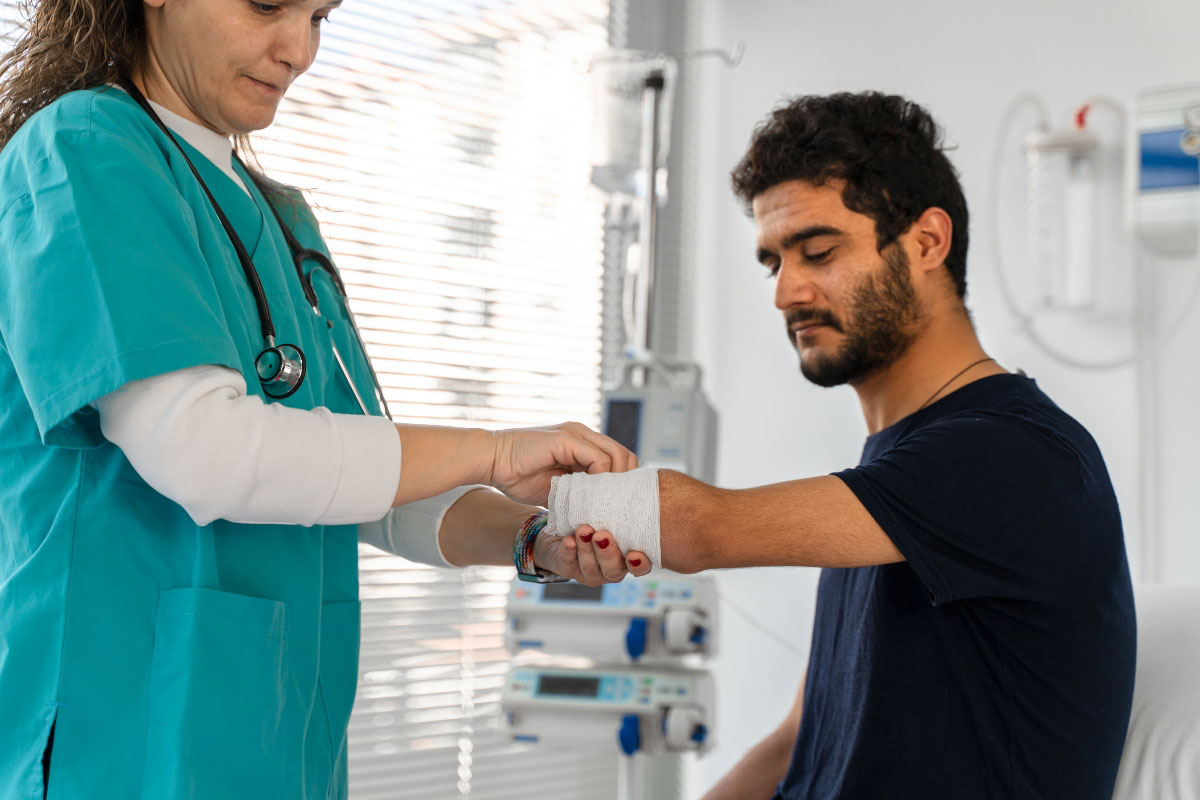
The weeks immediately following surgery are critical for residual limb shaping and protecting the surgical site. Referrals made during the acute inpatient or early sub-acute phase allow Floyd Brace to assist your nursing and therapy teams with specialized limb management strategies.
Early intervention during this phase focuses heavily on edema control and contracture prevention. Without proactive management, fluctuating limb volume can severely delay the fitting of a preparatory prosthesis.
Our team works alongside hospital clinicians to implement:
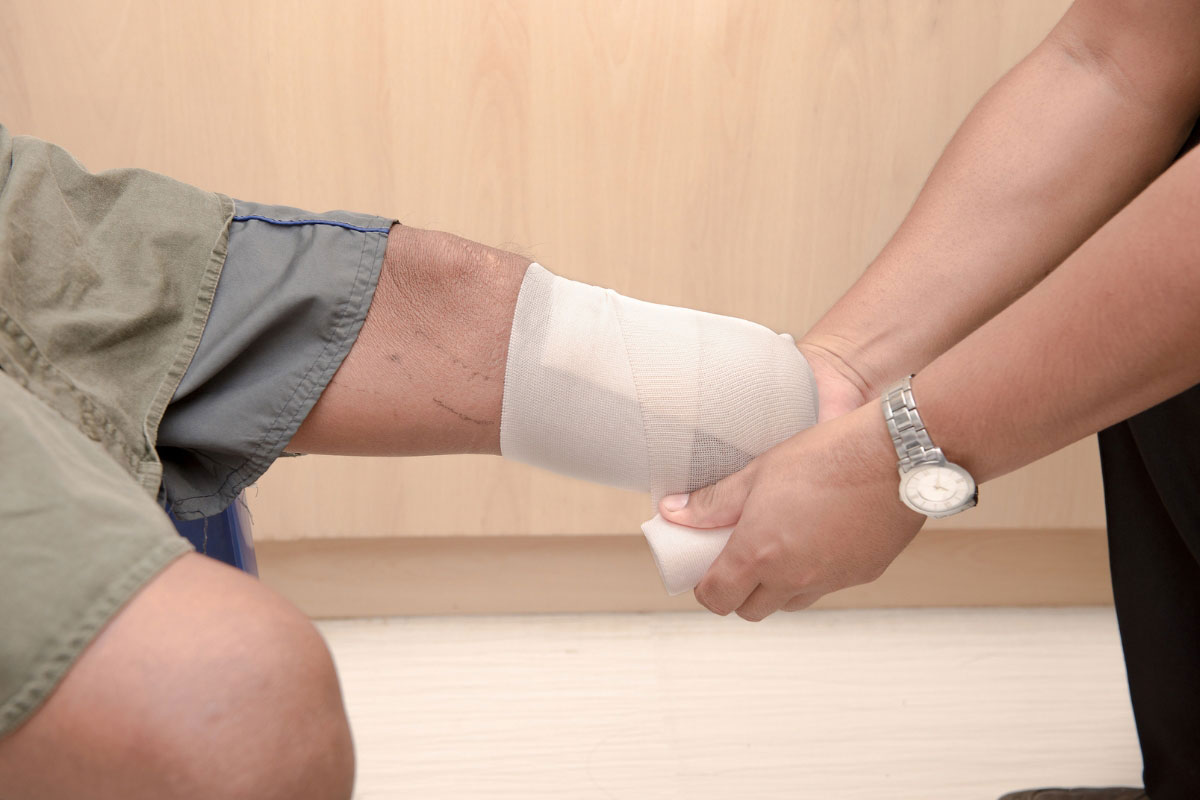
Rigid and Semi-Rigid Dressings: To protect the fragile surgical site from accidental trauma while actively reducing post-operative swelling.
Compression Therapy (Shrinkers): Transitioning patients to medical-grade compression garments as soon as the sutures allow, establishing a stable, inverted-cone shape optimized for a prosthetic socket.
Early Range of Motion Tracking: Collaborating with physical therapists to ensure the patient avoids hip or knee flexion contractures, which can permanently compromise their future gait.
Clinical Indicators for Prosthetic Readiness
To assist busy physicians and case managers during brief follow-up appointments, we utilize a standardized checklist to determine when a patient is clinically ready to begin the fabrication of their first preparatory prosthesis.
If a patient meets these criteria, a direct referral to Floyd Brace should be initiated promptly to prevent any gap in care.
The True Cost of Delayed Referral: Deconditioning & Readmissions
Waiting too long to refer a patient for prosthetic care introduces significant clinical risks. Prolonged periods of immobility and non-weight-bearing status can trigger rapid physiological deconditioning.
Within weeks of prolonged bed rest or wheelchair reliance, patients experience muscle atrophy, bone density loss, and cardiovascular decline. Psychologically, there is a risk as well as extended delays can foster feelings of helplessness, increasing the risk of post-amputation depression.
Furthermore, delayed care directly impacts key hospital performance metrics:
Length of Stay (LOS): Delayed discharge planning often stems from unresolved post-acute care pathways. By embedding Floyd Brace into the discharge workflow early, patients transition seamlessly to outpatient or home health care with their limb-shaping protocols already in motion.
30-Day Readmission Rates: Amputation patients are at a high risk for secondary complications, including falls and delayed wound healing due to improper limb protection. Early prosthetic oversight ensures the residual limb remains protected, minimizing the risk of wound dehiscence and subsequent emergency department visits.
Relieving the Administrative Burden on Case Managers
We understand that hospital case managers and clinical coordinators are faced with immense administrative workloads. Navigating the complex landscape of insurance documentation, Medicare local coverage determinations (LCDs), and prior authorizations for orthotic and prosthetic (O&P) care can stall patient discharge.
Floyd Brace serves as a direct administrative partner to your team. When you refer a patient to us, we manage the heavy lifting:
Detailed review of clinical documentation to ensure compliance with insurance guidelines.
Direct communication with commercial payors, Medicaid, and Medicare.
Coordination of care across the continuum, keeping the primary physician informed of progress without adding paperwork to their desk.

A Lifelong Continuum of Care for All Ages
Amputation is a life-altering event, but it is also the beginning of a lifelong relationship. Because the human body changes over time, prosthetic care must adapt accordingly.
Our commitment to South Carolina families spans every demographic. For pediatric patients, early and frequent referrals are essential to accommodate rapid growth spurts and congenital limb modifications. For adult and geriatric patients, changing health statuses, weight fluctuations, and vascular disease progression necessitate continuous socket modifications and component upgrades.
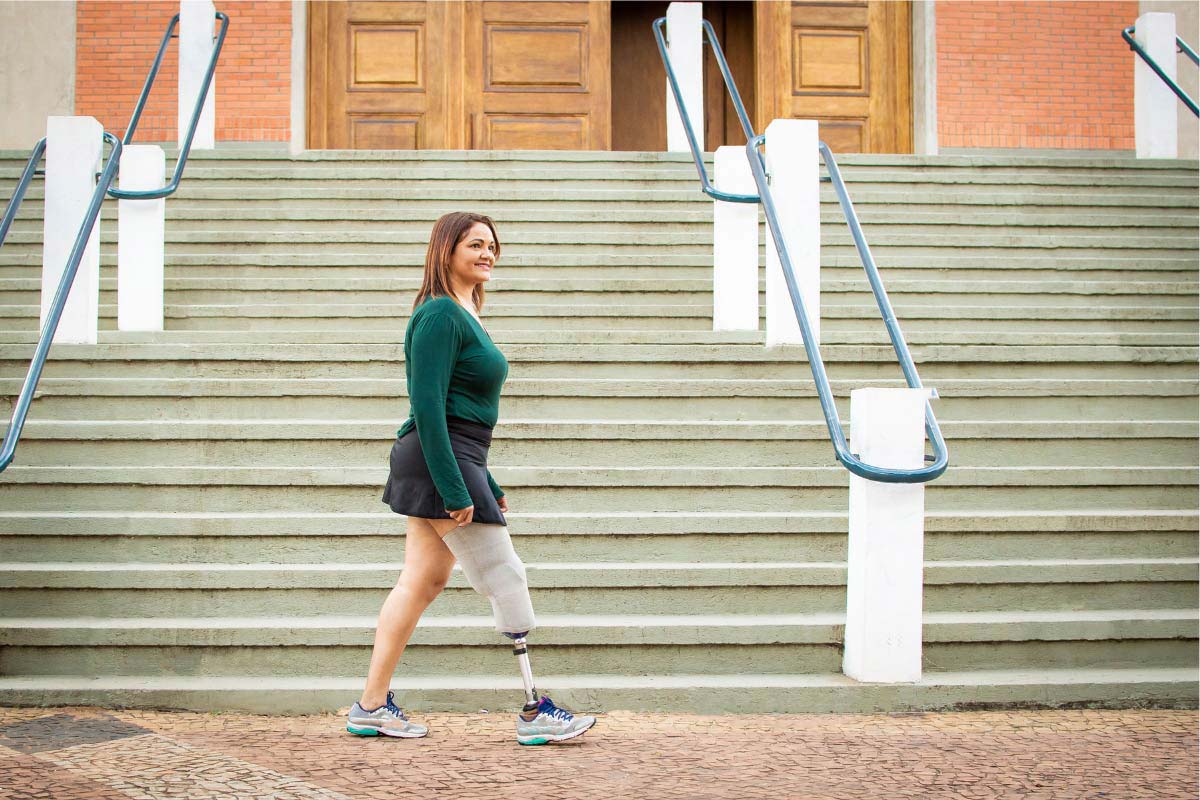
By partnering with Floyd Brace, physicians ensure their patients are not simply handed a device and sent on their way. They are integrated into a comprehensive, supportive care network dedicated to their comfort, confidence, and everyday mobility for life.
Streamline Your Next Patient Referral
Don't wait for total wound closure to begin planning for your patient's future mobility. Contact Floyd Brace today to integrate our prosthetic specialists into your pre-op or immediate post-op care team. Together, we can build a seamless pathway from the operating room back to a fulfilling, independent life.
