When Does a Child Need an Orthosis? Signs Parents Should Watch For
Many parents notice small differences early in their child’s development, especially during those first important years when walking is just beginning. A child may walk on their toes, seem a little unsteady, or appear to tire faster than others at the playground. Most of the time, these differences fall within normal development. But sometimes, they are early signals that a child may benefit from additional support through pediatric orthotics.
Understanding when to simply observe and when to seek guidance can feel overwhelming. At Floyd Brace Company, our goal is to help you recognize meaningful patterns so you can make informed decisions with confidence. We see orthotic care as part of a child’s broader development journey, helping each child move with comfort, stability, and confidence at every stage of life.
What Are Pediatric Orthotics?
Importantly, pediatric orthotics are not about limiting movement. They are about making movement easier, more controlled, and less physically demanding so a child can participate fully in everyday life.
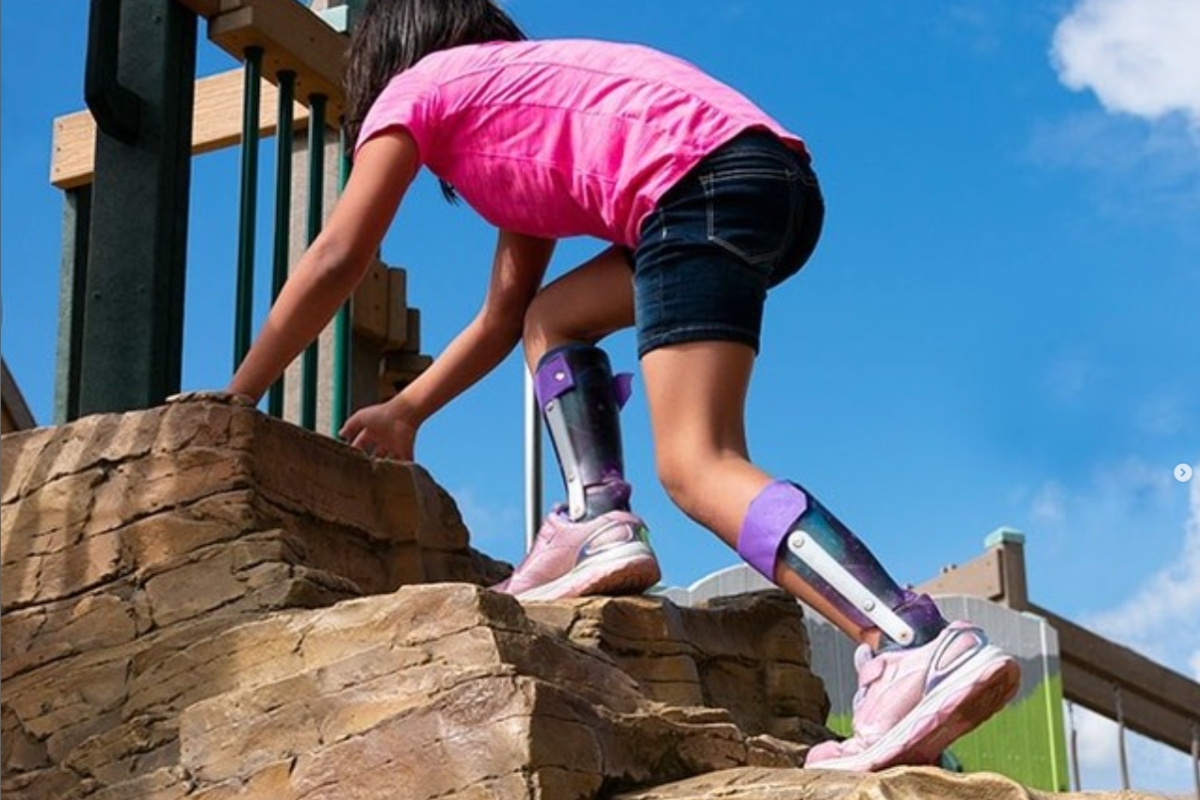
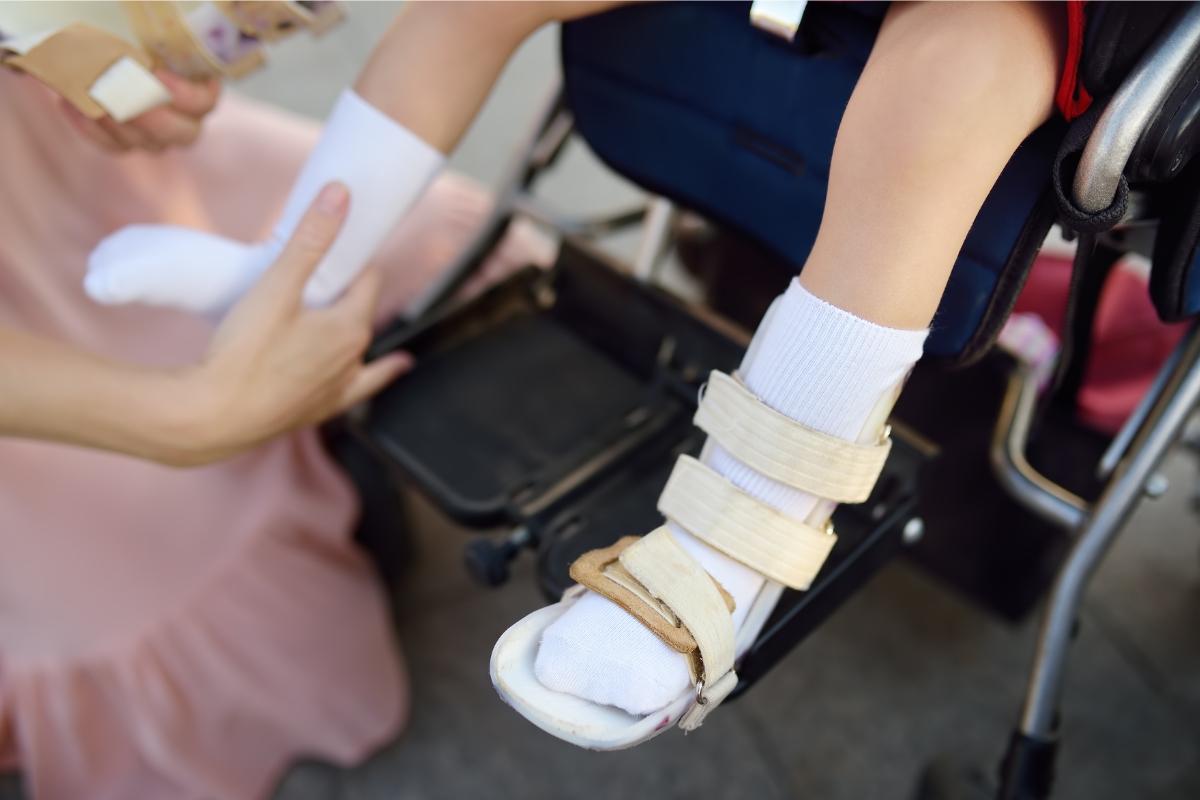
These are custom-designed medical devices that support a child’s developing muscles, bones, and movement patterns. They are not generic braces or rigid supports; instead, they are carefully shaped to match a child’s unique anatomy and help guide more efficient movement as they grow. Common types include:
Ankle-Foot Orthoses (AFOs): These help stabilize the foot and ankle to improve walking patterns.
Supramalleolar Orthoses (SMOs): These provide subtle support just above the ankle to assist with balance and alignment.
Specialized Foot Supports: Designed to improve positioning or assist with specific muscle tone differences.
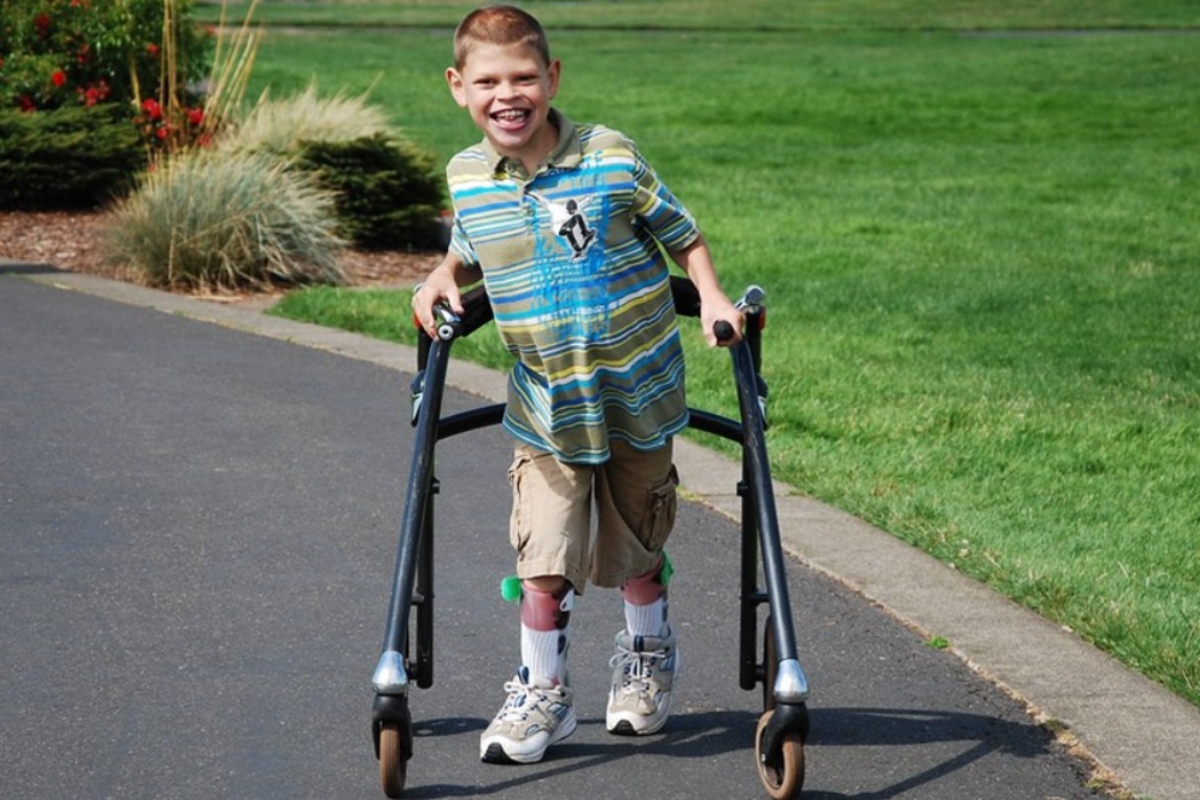
Orthotics are often used as part of a broader care plan that may include physical therapy or medical management, acting as a foundation for growth rather than a restriction.
Not sure if an SMO or AFO is right for your child? The best way to know is through a professional gait assessment.
How Movement Differences First Show Up
For many families, the first signs appear while a child is learning to walk. Early walking is naturally unsteady, but most children gradually develop smoother, more balanced movement. When certain patterns persist beyond the expected developmental window, it can signal that additional support may be helpful.
These observations are not diagnoses; they are simply clues that the body may be working harder than it should to achieve balance and coordination.
What to Look For as Your Child Grows
Persistent Toe Walking
While occasional toe walking is common in toddlers, persistent toe walking may indicate tightness in the calf muscles or a pattern that prevents the heel from contacting the ground. Over time, this can influence balance and limit ankle flexibility.
What to watch for: Constant walking on the balls of the feet, inability to stand flat-footed, or recurring calf pain.
Flat Feet or Collapsing Arches (Excessive Pronation)
Many young children have flat feet, but concern arises when the foot and ankle collapse inward under weight. This places added strain on the knees and hips as the child grows, often causing them to tire more quickly during physical activity.
What to watch for: Shoes worn down on the inside edge, ankles that seem to lean toward each other, or a child asking to be carried frequently because their legs "ache."
Walking on Outside Edges (Supination)
This occurs when a child carries their weight on the outer edges of their feet. It can make movement feel rigid or unstable and reduces the body's natural shock absorption, making uneven surfaces difficult to navigate.
What to watch for: Frequent ankle "rolls" or sprains, rigid walking gait, and shoes that wear out exclusively on the outer rim.
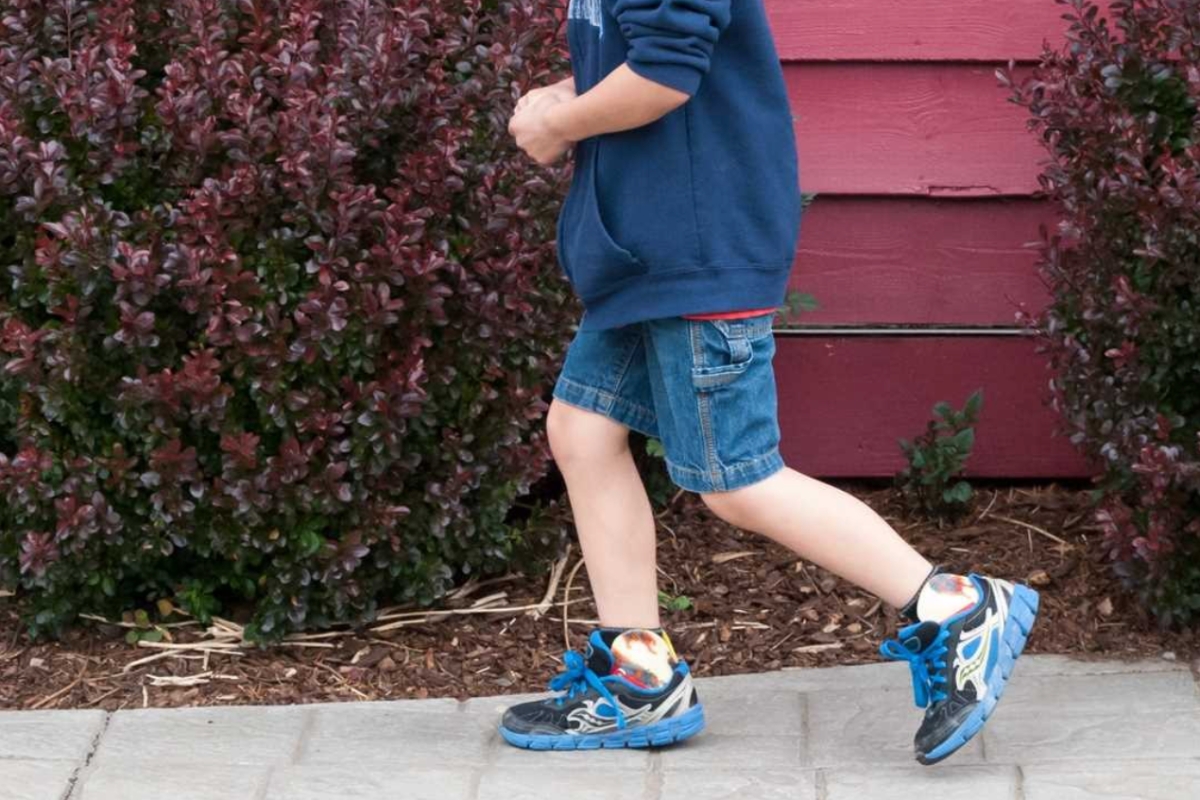
Knock-Knees or Inward Turning (Dynamic Knee Collapse)
This is often most visible during activity, such as running or jumping. While it looks like a knee issue, it is frequently driven by instability in the foot and ankle that affects the entire alignment of the leg.
What to watch for: Knees "knocking" together during a stride, frequent tripping over their own feet, or an awkward running style.
Low Muscle Tone (Hypotonia)
Children with lower muscle tone may appear "floppy" or less controlled in their posture. The challenge here is not just strength, but the ability to maintain consistent control and stability during movement transitions.
What to watch for: Preferring to "W-sit" for stability, slumping quickly when sitting without support, or struggling with stairs compared to peers.
Movement Asymmetry
If one foot consistently turns differently than the other, or if one side of the body seems to move with more ease, it may indicate the body is compensating for an imbalance.
What to watch for: One shoe wearing down significantly faster than the other, a limp that doesn't go away, or a persistent "hitch" in their step on only one side.
If you’re seeing one or more of these patterns, you don’t have to guess the next steps. Let our specialists help you find clarity.
What Parents Should Do With This Information
Seeing one or more of these patterns does not automatically mean a child needs orthotics. Children develop at different rates, and many movement differences resolve naturally. However, what matters most is persistence and impact.
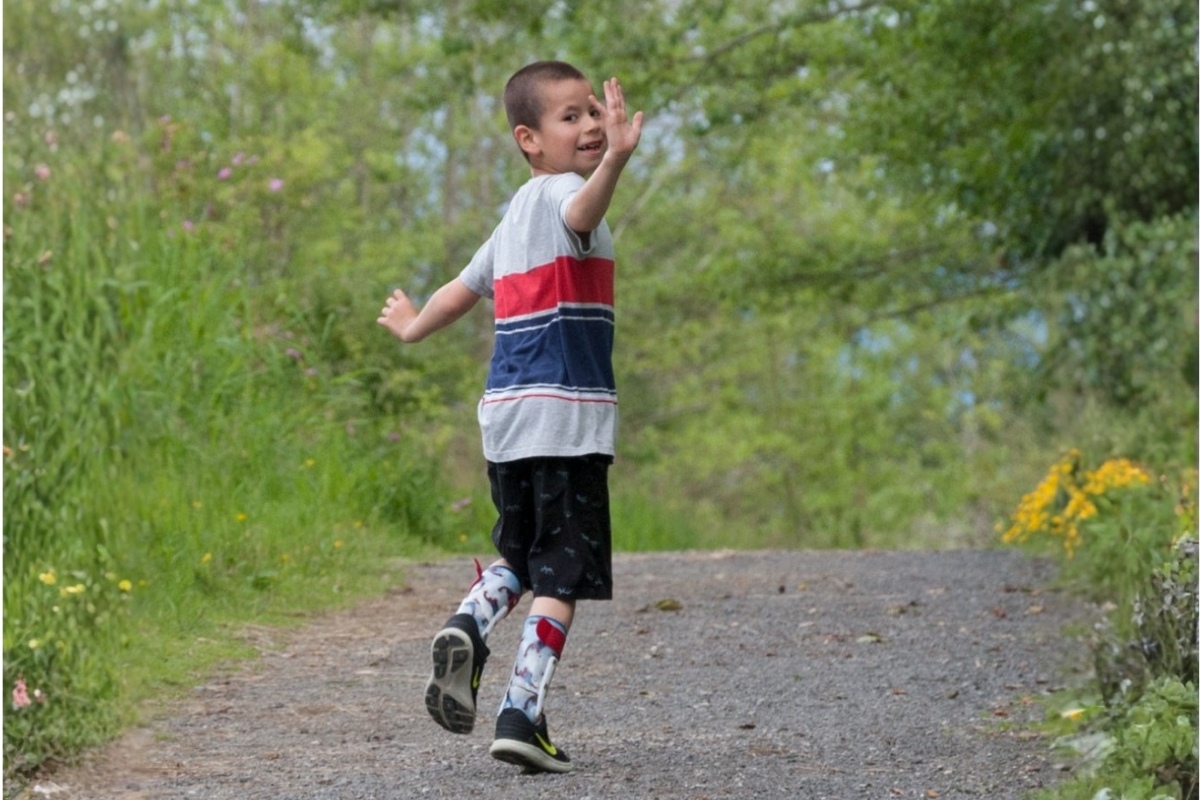
If you notice a pattern that continues over several months, especially if it affects your child’s comfort or willingness to participate in play, it is appropriate to seek an evaluation. An evaluation does not mean treatment is necessarily required; in many cases, families leave with reassurance and guidance for continued observation. Early intervention simply ensures that small movement inefficiencies don’t become long-term challenges.
Why Early Evaluation Matters
Children’s bodies are highly adaptable. When movement patterns are inefficient, the body compensates, and over time, these compensations can become habitual and harder to address. Early evaluation allows a specialist to determine if a child is developing naturally or compensating for instability. When needed, orthotic support helps guide alignment during critical growth phases, reducing strain on joints.
The Floyd Brace Approach
At Floyd Brace Company, we approach pediatric orthotics as a long-term partnership with families. We recognize that every journey is different. Some children may only need support during early developmental stages to find their footing. Others, particularly those with chronic conditions such as cerebral palsy or spina bifida, may use orthotic devices throughout childhood and into adulthood.
Our focus is on understanding the child first. We take time to observe how they move and listen to your concerns. If a device is recommended, it is carefully designed, adjusted as they grow, and supported through consistent follow-up care. We aim to provide clarity so you feel supported and confident in every decision you make.
Final Thoughts
If you are noticing movement differences in your child, it is natural to have questions. Not every difference requires treatment, but every concern deserves clarity.
You don't need to have all the answers before you call. If you’ve noticed your child struggling to keep up, tripping frequently, or walking differently than their peers, let’s talk.
Schedule a pediatric evaluation with Floyd Brace Company today and get the clarity your family deserves.
