What to Expect During an Orthotic Fitting Appointment
When you are managing pain, recovering from an injury, or adapting to a new mobility diagnosis, getting fitted for a custom brace is a major milestone on your road to recovery. It is completely normal to feel a mix of anticipation and uncertainty as your appointment approaches. You might find yourself wondering exactly what to expect during the visit, whether the device could possibly be comfortable, and how it will fit into your daily life.
Since 1942, Floyd Brace Company has helped South Carolinians navigate this transition, providing the personalized care needed to walk safely and move with less discomfort. We understand that a brace isn't just a medical device; it’s a practical tool to help you return to your normal routine and feel secure on your feet again. That’s why an orthotic fitting appointment with us is about much more than just measurements; it’s about listening to your story, targeting your specific goals, and making sure you feel fully supported every step of the way.
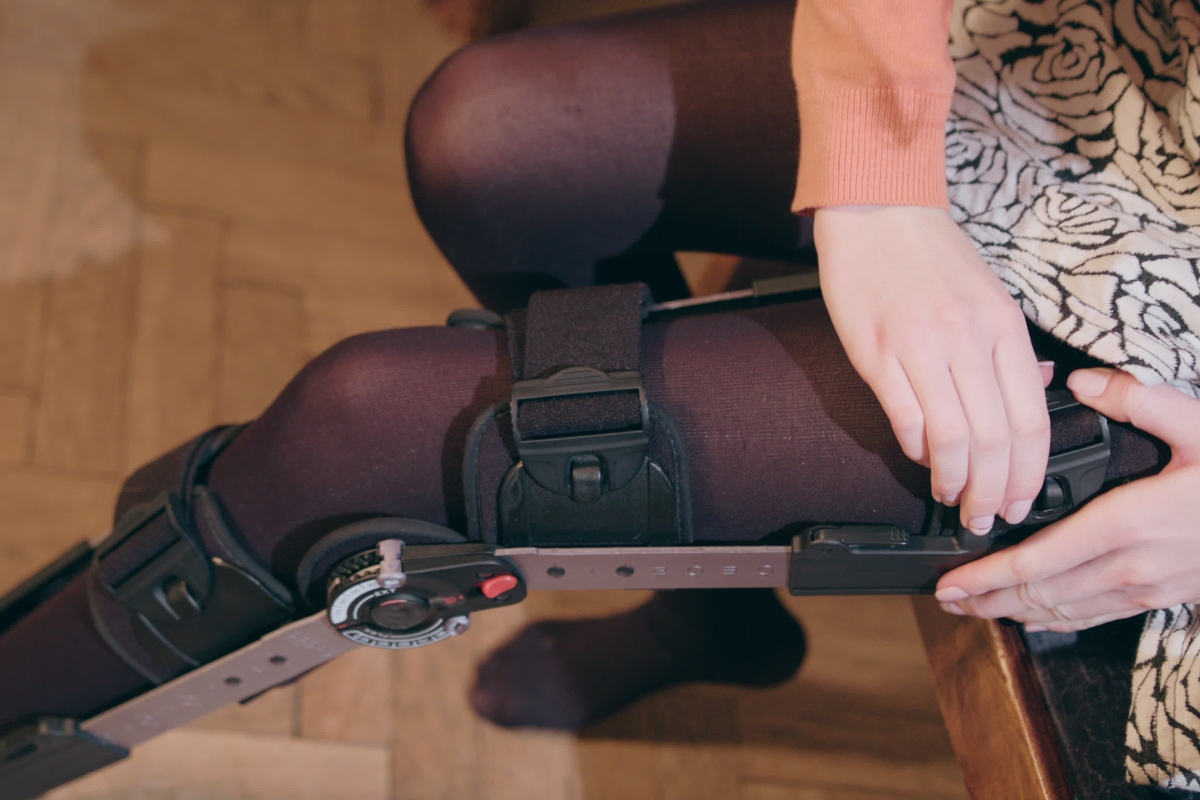
Whether you are being fitted for an ankle-foot orthosis (AFO), a knee brace, a spinal support, or a pediatric device, knowing what to expect can make the process even smoother and more stress-free.
What Is an Orthosis, and Why Does the Fitting Matter?
An orthosis is a custom brace or support designed to help a part of your body move, align, or function better. Some people use them to support a weak joint, while others need them to improve walking, reduce strain, or protect an area after an injury.
A proper orthotic fitting is the most important part of receiving your brace. Even the most advanced orthosis needs to seamlessly integrate with your body, your skin, your shoes, and your unique movement patterns. A poorly fitted brace can rub, pinch, or shift, making it hard to wear consistently. At Floyd Brace, our fitting process is hyper-focused on both clinical function and real-life comfort.
Before Your Appointment: Your Prep Checklist
To get the most out of your time with your orthotist, we recommend bringing a few key items with you:
Medical Paperwork: Bring your prescription, referral, or relevant insurance cards.
(Note: Navigating prescriptions and insurance can feel overwhelming. Don't worry! Our administration team works closely with your doctor to handle the heavy lifting of insurance verification.)Your Current Gear: If you already use a brace, cane, walker, or shoe insert, bring it so we can see what you're currently used to.
A Trusted Companion: If a family member or caregiver helps you at home, they are always welcome to join to catch details or instructions you might miss.
The Golden Rule of Shoes
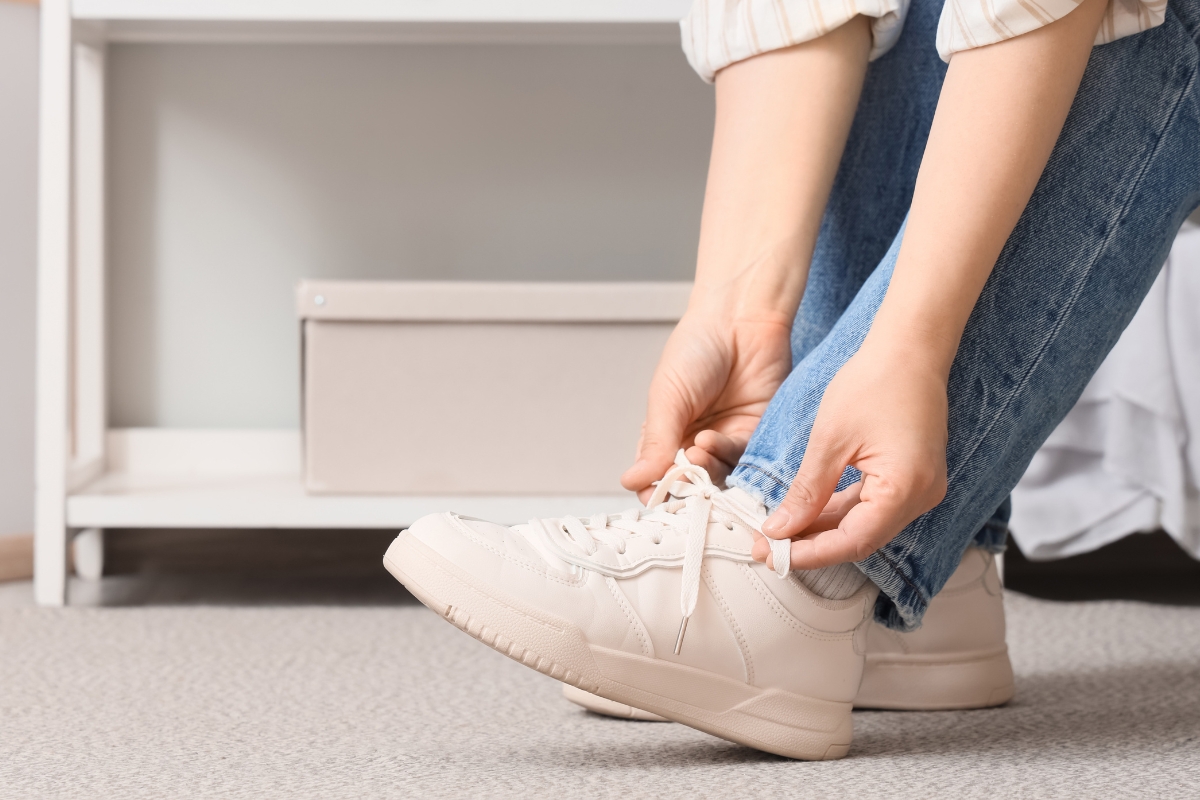
For lower-limb braces, your orthosis and your footwear must work together as a team. Always bring the shoes you wear most often to your appointment (supportive, lace-up sneakers are usually best). The right shoe makes a massive difference in how your brace feels and performs!
At a Glance: The 6-Step Fitting Process
In Detail: The Fitting Process
Step One: Sharing Your Story
Your appointment begins with a conversation, not a tape measure. Your orthotist wants to understand what brought you in and what challenges you are facing. We'll ask about pain, weakness, balance, and previous injuries. Just as importantly, we want to know about your life: your job, hobbies, and caregiving responsibilities. Whether your goal is to walk across a room without feeling unsteady, or to keep up with your grandchildren at the park, your goals shape your care.
Step Two: Evaluation and Measurements
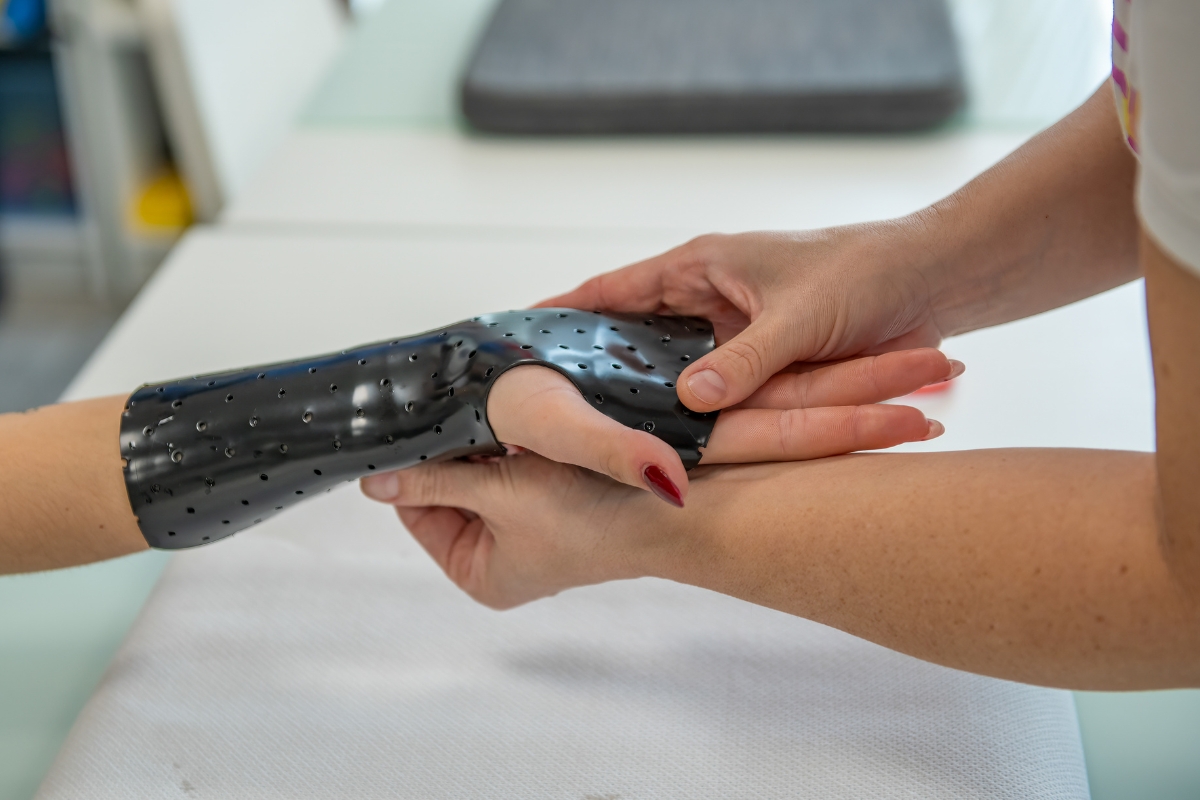
Next, your orthotist will evaluate how your body moves and where support is needed. This includes checking your posture, range of motion, muscle strength, and joint stability. If your orthosis is for your leg or foot, we will watch how you stand and walk. Depending on the device, we will then take precise measurements, a 3D scan, or a mold to ensure the orthosis matches your body's unique shape.
Step Three: The First Try-On
When it is time to try on the orthosis, your orthotist will guide you through positioning the device correctly and securing the straps. A new brace will likely feel unfamiliar at first, it is changing how your body is supported, after all. It should, however, never feel painfully tight, sharp, or unstable. Your orthotist will expertly check for pressure points, gapping, or shifting.
Step Four: Custom Adjustments
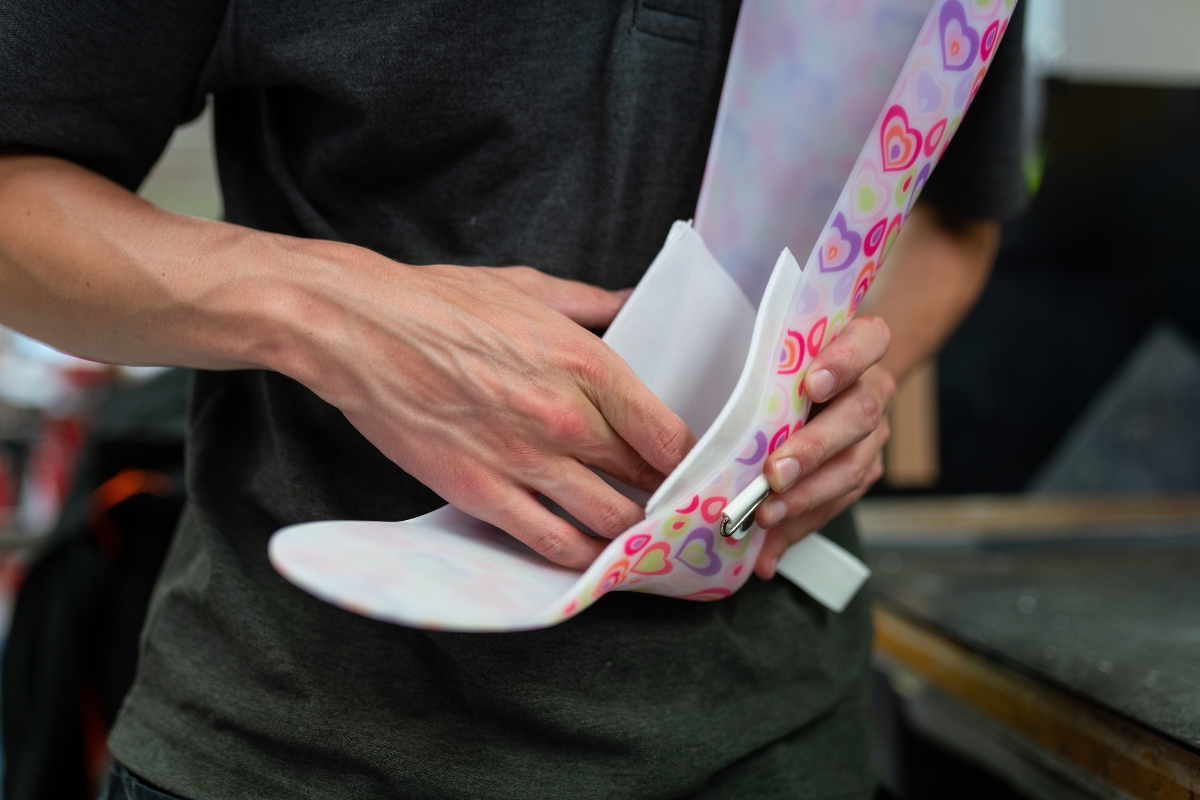
Many patients are surprised to learn that a first fitting is rarely the final fit. Your orthotist may trim an edge, adjust a strap, add soft padding, or relieve pressure using specialized tools right in the office.
You are not being difficult by saying something feels wrong. In fact, your honest input is the most important part of the appointment. We cannot fix what we do not know about.
Step Five: Wear and Care Education
Before you leave, you will learn exactly how to put on and take off your orthosis yourself. Proper placement makes a huge difference in safety and support. We will provide a "break-in" schedule to help your body ease into the new device. You'll also learn how to monitor your skin for irritation (especially important for patients with diabetes or neuropathy) and how to clean your device so it lasts longer.
Step Six: Practicing Real-Life Movement
We don't just want the brace to fit while you're sitting in our office. Your orthotist will ask you to stand, walk, rise from a chair, or move in ways that relate to your daily routine. The goal is for you to leave feeling entirely prepared to use your orthosis at home, work, or school.
Common Questions About Orthotic Fitting Appointments
How long does an orthotic fitting appointment take?
It depends on the complexity of your device. Some follow-up visits are quick, while an initial fitting takes more time so your orthotist can fully assess your movement, make on-the-spot adjustments, and teach you how to use the device.
Will my orthosis hurt at first?
It shouldn't. There is a big difference between new pressure and pain. A new orthosis will feel different and you may feel new pressure as it realigns and supports your body. However, it should never cause sharp pain, skin breakdown, or bruising. If it does, let your orthotist know immediately.
What if my brace needs changes after I go home?
Let us know. Adjustments are a normal part of the process, so as your body changes, swelling goes down, or you become more active, the fit can shift. If your brace rubs or feels uncomfortable, just call us. A small modification can make a massive difference.
Do children need more follow-up appointments?
Yes. Children grow quickly! A pediatric orthosis that fits perfectly today will inevitably need adjustments as a child hits growth spurts or reaches new developmental milestones.
Ready to Move with Confidence?
Expert care should always feel personal. From your first conversation through fitting, adjustments, and everyday use, our goal at Floyd Brace Company is to help you feel informed, supported, and confident.
If you have been prescribed an orthosis or are struggling with a brace that just doesn't feel right, we are here to help you take the next step toward comfortable, secure movement.
