Common Prosthetic Fit Problems and When to Schedule an Adjustment
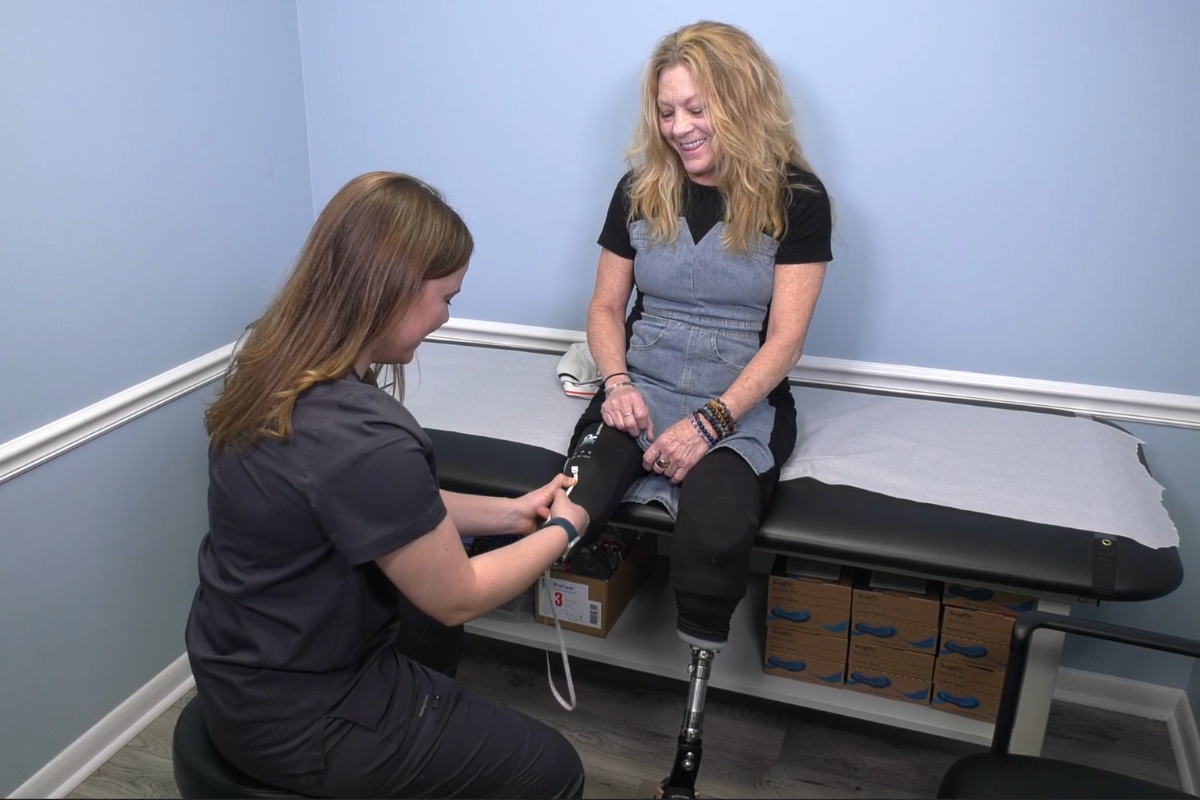
Getting a prosthesis is a major milestone in restoring your mobility and independence. However, it is important to remember that a prosthetic fit is not a "set it and forget it" event. Because your body is dynamic, your device must be able to adapt to those changes.
At Floyd Brace, we see the fitting process as an ongoing partnership. Understanding how to identify fit issues early can help you stay comfortable, safe, and active.
Why Your Prosthetic Fit Changes
Your prosthesis is custom-molded to your body, but your body is constantly changing. Especially in the first year following an amputation, these changes happen naturally for several reasons:
Volume Fluctuations: In the early months, swelling (edema) decreases and muscles may reshape. Even long-term users experience daily volume changes based on salt intake, hydration, and activity levels.
Activity Levels: As you become more confident and walk longer distances, you place different demands on your socket.
Component Wear: Liners can compress over time and suspension systems may loosen. These small shifts can eventually affect how the device feels during your stride.
Common Fit Problems to Watch For
Skin Irritation or Breakdown
This is often the first sign of a fit issue. It typically happens where pressure or friction is concentrated. Persistent irritation should never be ignored, as it can lead to infections that may temporarily prevent you from wearing your prosthesis at all.
A Loose or Unstable Feeling
If you feel your limb moving up and down inside the socket (often called "pistoning"), your balance will be affected. This is a common sign that your limb volume has changed and your socket may need a modification or a new liner.
Pain in Specific Pressure Points
Pain localized to a bony prominence usually signals that the weight is not being distributed evenly. This can happen if your alignment has shifted or if your limb has changed shape, causing you to sit too deep in the socket.
Unusual Noises or Movement
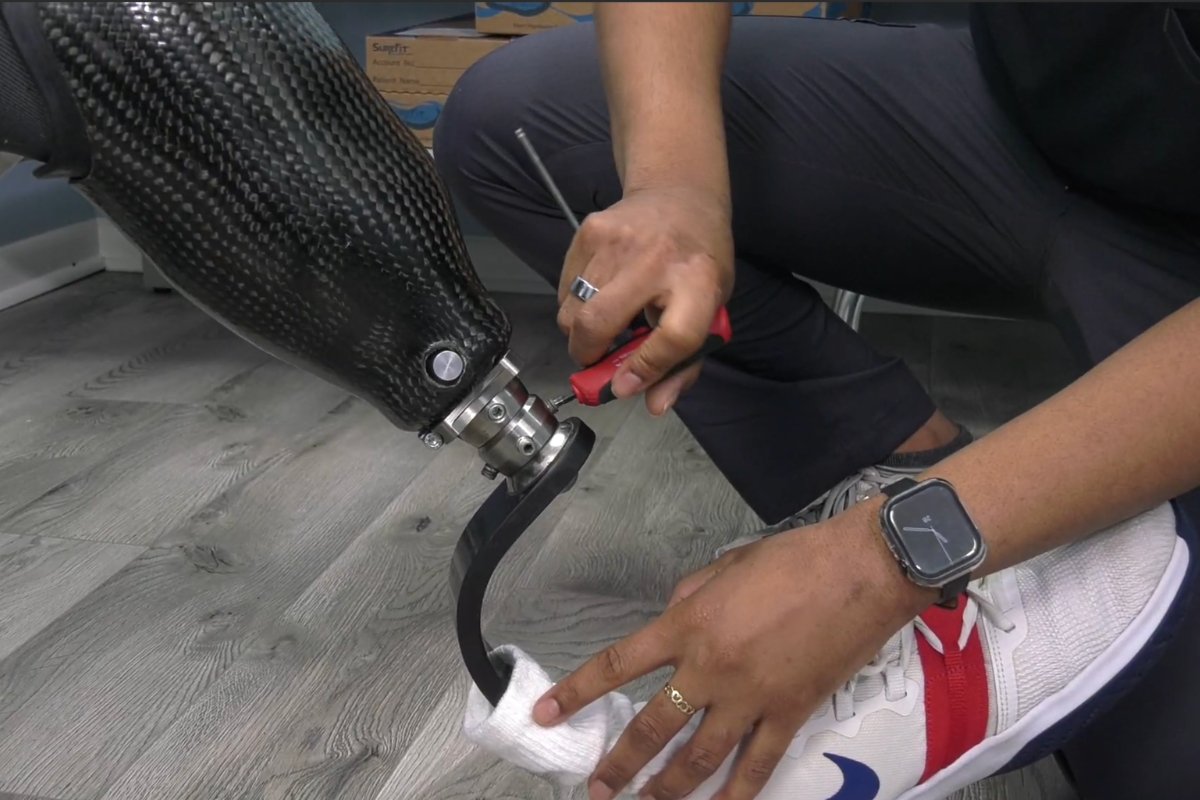
Clicking or squeaking can come from the components themselves. While often a simple fix, like tightening a bolt, it can also indicate that the alignment needs a professional tweak to ensure your weight is transferring correctly through the device.
Normal Sensations vs. Red Flags
Learning to distinguish between the "break-in" period and a true fit problem is key to your long-term health.
The 3-Step "Home Check"
Before scheduling an appointment, many minor fit issues can be managed at home. If something feels "off," try these three steps:
Adjust Your Sock Ply: This is the most common fix. If your limb has shrunk slightly, you may feel like you are "sinking" into the socket. Adding a thin prosthetic sock (increasing the "ply") can often restore a snug fit.
Inspect Your Liner: Look for any tears, thinning areas, or debris trapped inside. A small piece of lint or a worn-out liner can cause significant discomfort.
The 20-Minute Rule: If you see redness on your skin after removing your prosthesis, set a timer. If the redness disappears within 15 to 20 minutes, it is likely normal pressure. If it persists or looks like a bruise or blister, you need a professional adjustment.
Still feeling some discomfort? Don’t wait for a small thing to become a major issue.
When to Schedule an Adjustment
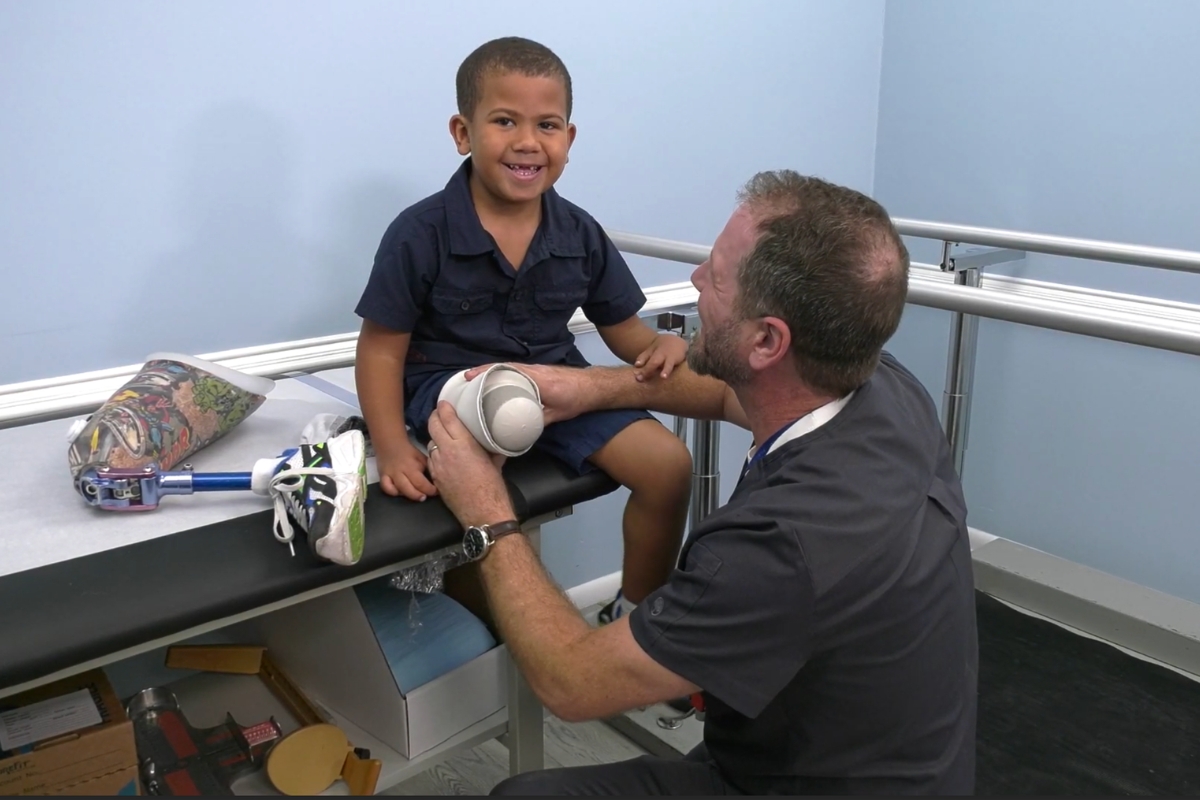
Small issues are much easier to correct than large ones. You should reach out to your clinician if:
Pain continues for more than two days or worsens.
Skin irritation does not resolve with rest or the use of socks.
You feel unsafe, unstable, or "wobbly" while walking.
You find yourself avoiding your prosthesis because it hurts. In the first year, multiple adjustments are expected and entirely normal. These appointments are a standard part of your care, not a sign that something is "wrong" with your progress.
What to Expect During Your Appointment
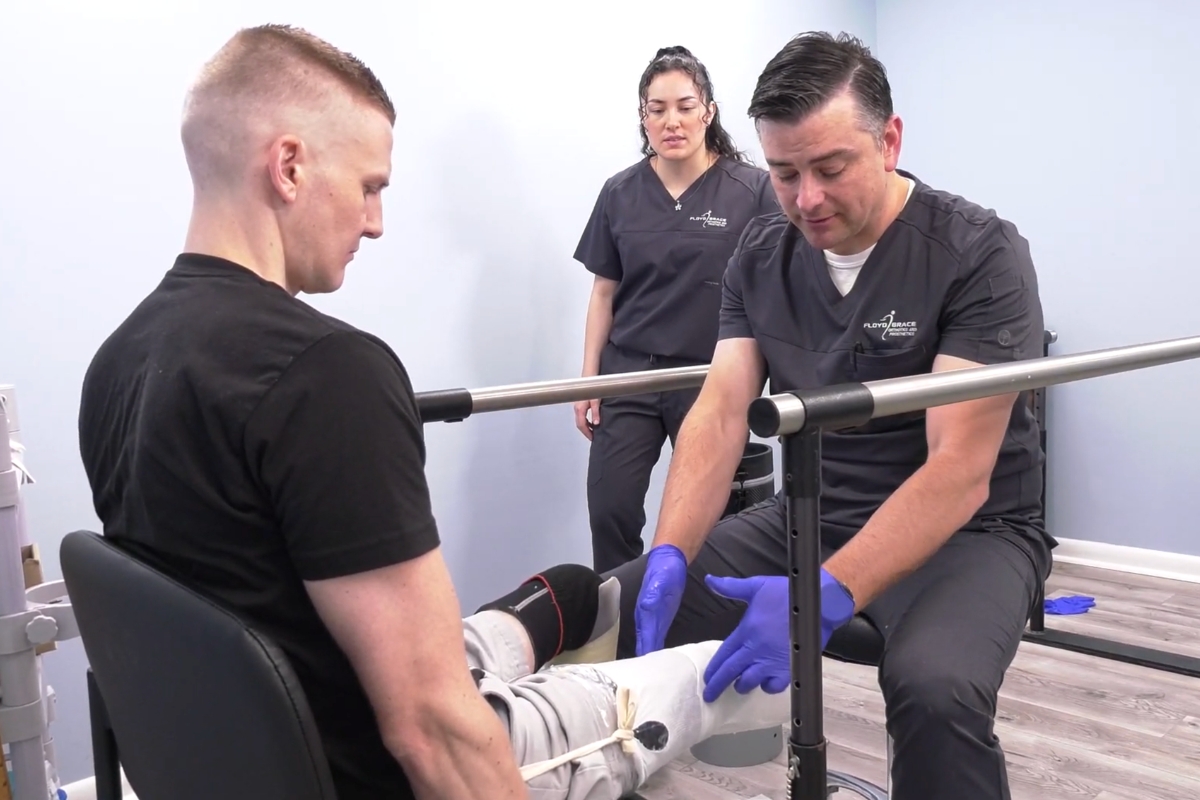
An adjustment appointment is focused on fine-tuning your comfort and safety. Here is how we typically approach it:
Clinical Review: We will talk about when the discomfort happens. Does it hurt more in the morning? Only when walking on uneven ground? These details help us pinpoint the cause.
Skin and Limb Exam: We check your residual limb for "hot spots" or volume changes.
Device Modification: We may refine the socket fit, adjust the alignment (the angle of the foot or knee), or update your suspension system.
Gait Analysis: We will often watch you walk to see how the prosthesis responds to your unique stride.
The Floyd Brace Approach
At Floyd Brace, we believe your prosthetic care is a long-term relationship. Because we serve communities across South Carolina, our goal is to provide accessible, consistent support wherever you are in your journey.
We treat prosthetic fitting as a partnership. Your feedback is the most important tool we have to ensure your device helps you reach your goals—whether that is returning to work, enjoying a hobby, or simply moving around your home with confidence.
If something doesn't feel right, trust your intuition. Small changes now lead to better mobility later.