Preventing Falls With Custom Orthotics for Seniors: A Guide to Stability, Gait, and Independence
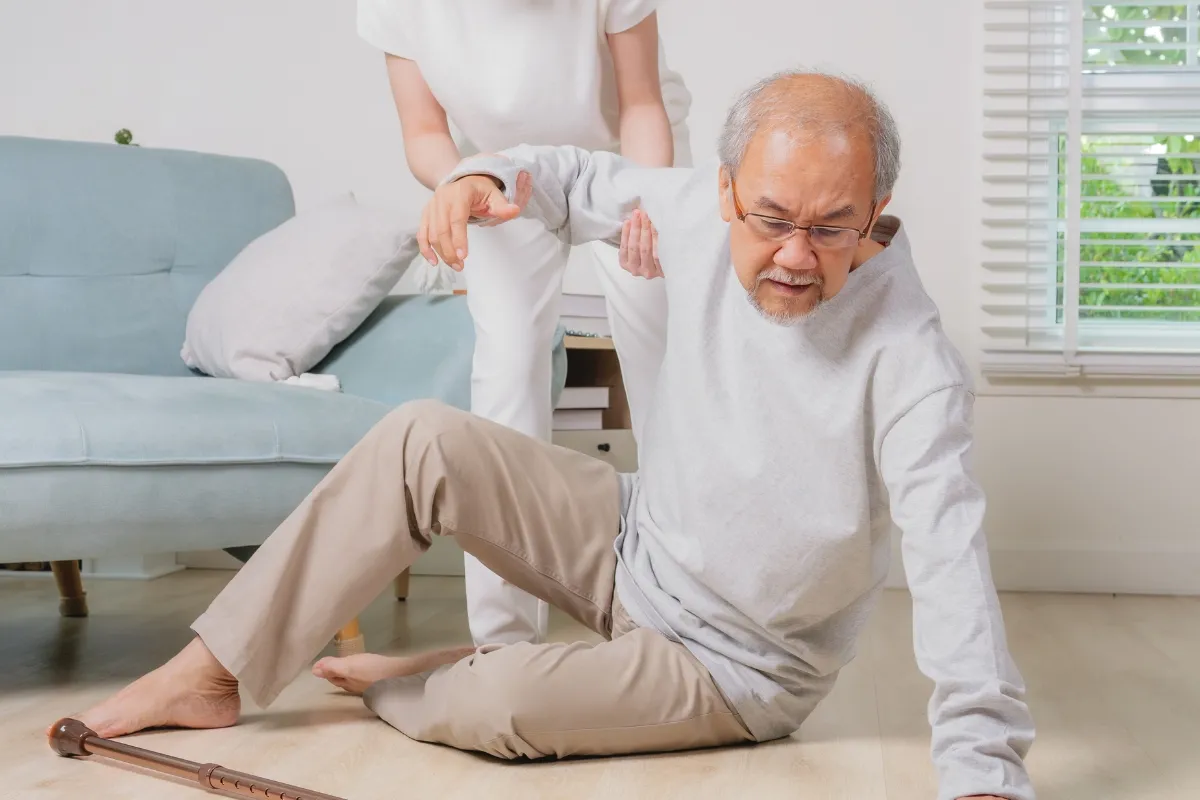
For many older adults, staying on their feet is about far more than moving from one room to another. It represents the ability to live independently—to walk into church on Sunday morning, shop for groceries, tend to a garden, or corral the grandchildren without the constant, looming anxiety of a fall.
For adult children and family caregivers, watching a parent’s mobility change can be deeply concerning. Noticing a subtle drag of the foot, an occasional trip on a rug, or an unsteady wobble when turning a corner often raises a critical question: Could a brace or custom orthotic help keep them safe?
In many cases, the answer is yes. Custom orthotics can provide targeted mechanical support to address specific foot, ankle, or leg impairments that compromise balance. However, an orthotic device is not a universal shield against falls. True fall prevention requires matching the right device to an individual’s unique anatomy, muscle strength, gait pattern, footwear, and daily living environment.
At Floyd Brace Company, individualized orthotic care has been at the center of our mission since 1942. Serving generations of South Carolinians, our approach starts with a fundamental principle: we evaluate the person, not just the diagnosis.
1. Can Custom Orthotics Help Prevent Falls in Seniors?
An orthosis is an externally applied medical device designed to modify the structural or functional characteristics of the neuromuscular and skeletal systems. When age-related muscle weakness, joint instability, or neurological conditions impair how a senior walks, a custom orthotic can help stabilize weak joints, control unwanted motion, and align the lower limbs for safer movement.
To understand how orthotics contribute to fall prevention, it helps to examine what clinical research reveals about balance and gait assist devices.
What the Research Says
Studies focusing on lower-limb orthoses, specifically Ankle-Foot Orthoses (AFOs), demonstrate measurable balance improvements in older adults:
Postural Sway and Lateral Stability: Clinical reviews indicate that appropriately fitted AFOs can reduce postural sway (the micro-oscillations the body makes to stay upright while standing) and significantly enhance lateral (side-to-side) balance.
Walking Speed and Gait Consistency: By stabilizing the ankle complex, orthoses allow seniors to take longer, more confident strides, improving overall walking efficiency and velocity.
At the same time, clinical research highlights a critical boundary. A randomized controlled trial examining older adults at high risk for falls found that while custom AFOs combined with supportive footwear improved stability metrics, they did not automatically lower overall fall rates compared to supportive footwear alone when other risk factors were present.
The takeaway is clear: Custom orthotics are powerful tools for correcting specific physical impairments, but they must be integrated into a comprehensive approach to safety rather than viewed as a standalone cure for fall risk.
2. Types of Orthotics and the Specific Mobility Issues They Address
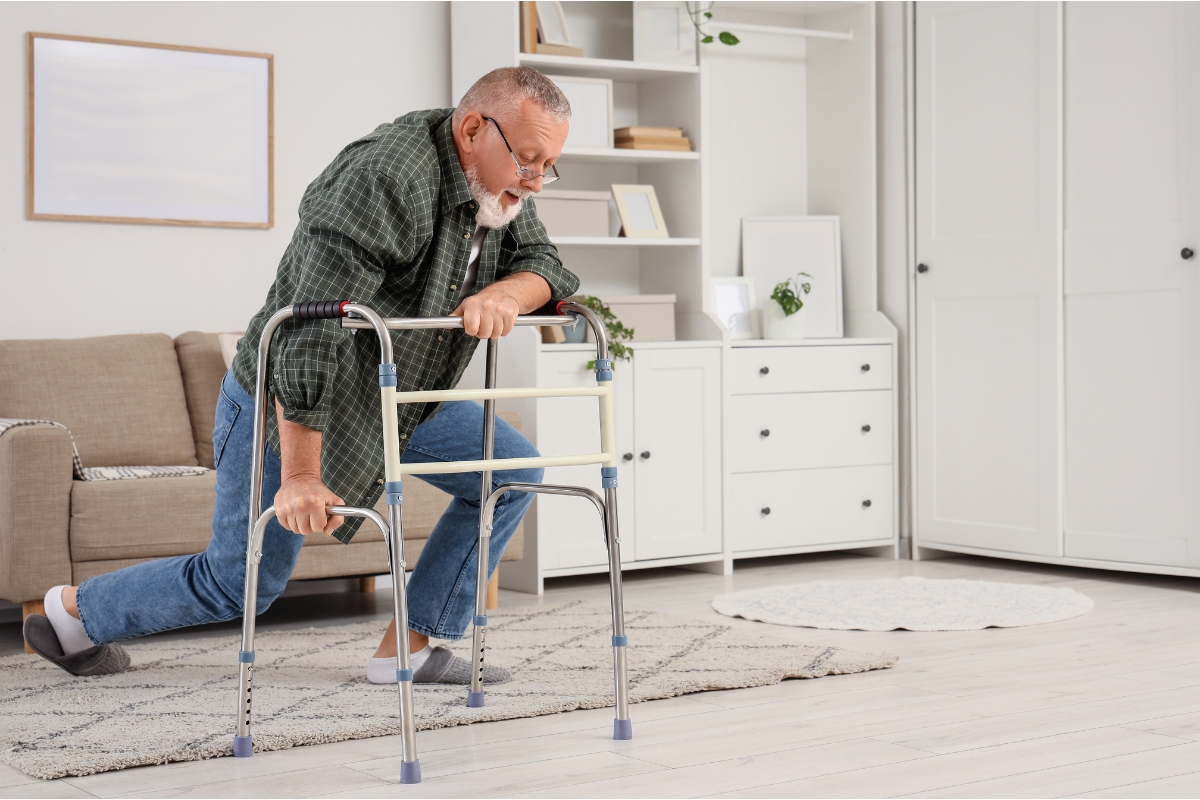
There is no single "fall-prevention brace." Lower-extremity orthoses are grouped by the joints they control and the specific functional limitations they aim to correct.
Ankle-Foot Orthoses (AFOs)
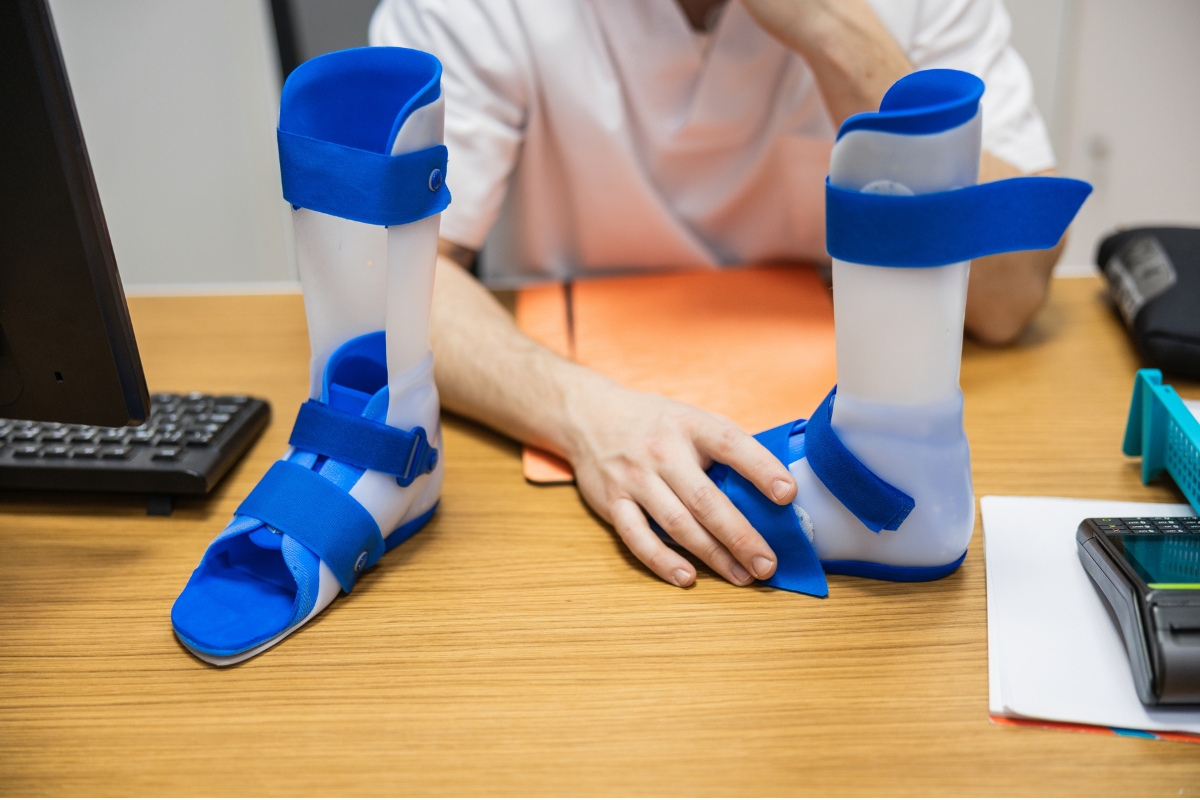
An AFO encompasses the foot, ankle, and lower leg. It is one of the most frequently prescribed orthoses for seniors who experience difficulty clearing their toes off the ground or who suffer from severe ankle instability.
Addressing "Foot Drop": When underlying conditions (such as stroke, neuropathy, or nerve compression) weaken the muscles that lift the front of the foot, the toes can catch on carpet, thresholds, or uneven pavement. An AFO holds the foot at a safe angle during the swing phase of walking, preventing dangerous trips. (link blog)
Managing Malleolar Instability: Weakness or arthritis in the subtalar and ankle joints can cause the foot to roll inward or outward unexpectedly. A custom rigid or semi-rigid AFO cradles the ankle to hold it in a neutral, load-bearing position.
Knee Orthoses (KOs) and Knee-Ankle-Foot Orthoses (KAFOs)
When instability extends above the ankle, longer orthotic designs are required.
Knee Orthoses (KOs): Designed for seniors dealing with severe knee osteoarthritis, ligamentous laxity, or joint degeneration. A custom KO can unload damaged joint compartments, relieve pain, and prevent the knee from "giving way" under body weight.
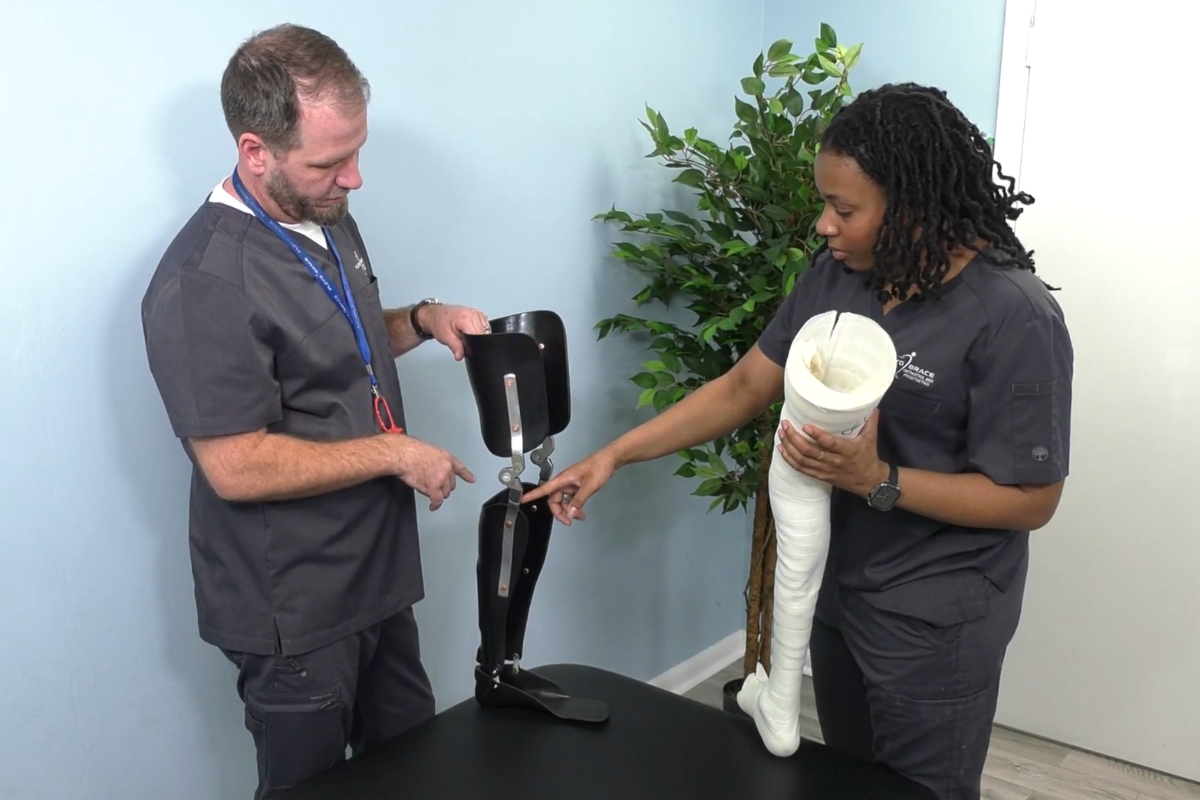
Knee-Ankle-Foot Orthoses (KAFOs): Used when significant quadriceps weakness or neurological impairment causes the knee to buckle or hyperextend during weight-bearing. A KAFO links the foot, ankle, and knee into a single structural support system to ensure structural integrity during standing and stepping.
Custom Foot Orthotics (Inserts)
Sometimes, stability concerns stem directly from the foundation: the foot itself. Custom arch supports and functional foot orthotics are molded directly to a patient's foot impression.
Improving Proprioception: By increasing full-surface contact with the sole of the foot, custom inserts enhance sensory feedback to the brain regarding ground contact and body position.
Correcting Alignment: Severe flatfoot (pes planus) or high arches (pes cavus) can throw off the biomechanics of the knees and hips. Custom inserts realign the heel and midfoot, creating a stable base that reduces fatigue during extended standing.
Click here to learn more about AFO braces and custom ankle-foot orthoses.
3. Custom Orthotics vs. Off-the-Shelf Braces: The Right Balance of Support
When mobility begins to falter, it is tempting to purchase a generic elastic or neoprene brace from a local pharmacy or online retailer. While off-the-shelf options have a role in minor, short-term sprains, they present distinct limitations, and potential risks, for seniors at risk of falling.
The Risk of "Over-Bracing" vs. "Under-Bracing"
A primary goal in clinical orthotics is finding the optimal balance between necessary stability and useful mobility.
Clinical Principle: More support is not always better. A brace that restricts joint movement unnecessarily forces neighboring muscles and joints to compensate, which can increase fatigue, alter balance mechanisms, and accelerate muscle atrophy.
Conversely, a generic, store-bought sleeve often provides soft compression without providing the structural leverage required to control bone alignment or prevent joint buckling.
Why Custom Fabrication Matters
Every human foot and leg possesses unique bony landmarks, tissue flexibility, and pressure tolerances—qualities that become even more distinct with age, arthritis, or surgical history. A certified orthotist creates a custom orthosis by taking an accurate 3D scan or plaster impression of the patient's limb. The resulting device accounts for.
Anatomical Contours: Preventing painful pressure spots over bony prominence.
Dynamic Biomechanics: Controlling motion only where weakness exists while allowing natural movement where strength remains.
Materials Engineering: Utilizing lightweight carbon fiber, thermo-formable plastics, or custom padding based on the patient's weight, skin fragility, and activity level.
4. What to Expect During a Professional Mobility Evaluation
Determining whether an orthotic device will improve safety requires a detailed evaluation. An orthotist works in coordination with the patient's primary care physician, physical therapist, and care team.
Step One: Identifying Personal Goals
An evaluation begins by listening to what the patient wants to achieve. Clinical goals are built around daily human activities:
Navigating carpet-to-hardwood transitions at home without tripping
Safely ascending and descending porch or church steps
Walking through the grocery store without needing to lean heavily on a cart
Enjoying outdoor walks or community events with family
Step Two: Physical & Gait Assessment
The clinician conducts a hands-on physical exam, measuring muscle strength, joint range of motion, resting alignment, and soft-tissue flexibility.
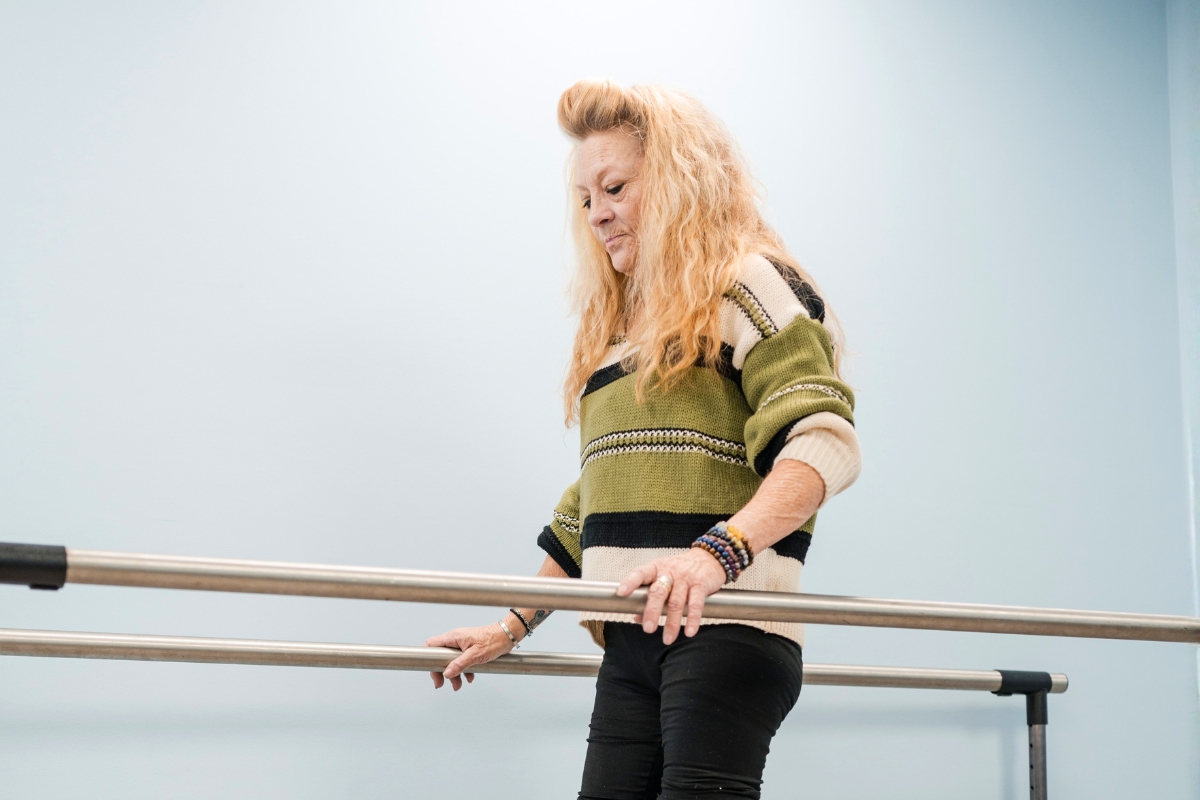
Next, the orthotist conducts a formal gait observation. By watching how the foot, ankle, knee, and hip interact while walking, the clinician can identify specific gait deviations—such as hip hiking, toe dragging, or lateral swaying—that increase fall risk.
Step Three: Incorporating Evidence-Based Frameworks
Orthotists look at mobility through comprehensive health frameworks like the Centers for Disease Control and Prevention (CDC) STEADI (Stopping Elderly Accidents, Deaths, & Injuries) protocol. This initiative highlights that gait and balance impairments are deeply intertwined with other health factors, including medication side effects, vision changes, and home environment hazards.
By applying these standards, an orthotist ensures that a brace is recommended only when biomechanical weakness is a primary driver of instability.
Click here to learn more about what to expect during an orthotic fitting appointment.
5. Practical Realities: Footwear, Fit, and Daily Routine
The most advanced custom orthosis in the world is useless if it sits in a closet. For an orthotic device to successfully prevent falls, it must integrate seamlessly into a senior's real-world environment.
THE REAL-WORLD ADOPTION CHECKLIST
Footwear Compatibility: Fits comfortably inside standard, supportive daily shoes without excessive tightness.
Ease of Donning/Doffing: Patient or caregiver can easily put on and take off the device independently.
Skin Safety: Causes zero lingering red marks, friction spots, or pressure points after extended wear.
Task Alignment: Functions smoothly across household carpets, stairs, thresholds, and outdoor pavement.
The Unbreakable Link Between Braces and Shoes
An orthosis and a shoe function as a single unit. An orthotic changes how the foot occupies space inside footwear.
Space Accommodation: A rigid AFO or thick custom insert takes up internal shoe volume. Placing an orthosis into a narrow, unsupportive, or worn-out shoe can cause painful skin rubbing or create a secondary tripping hazard.
Shoe Requirements: Braces typically perform best in supportive, closed-toe walking shoes or sneakers featuring a removable factory footbed, a firm heel counter, and a non-slip rubber outsole.
Fitting Preparation: Patients are always encouraged to bring their most frequently worn daily shoes to their fitting appointment so adjustments can be made in real time.
Independence in Putting On and Taking Off (Donning & Doffing)
If a senior lives alone, they must be physically capable of fastening straps, sliding their foot into the device, and securing their shoe independently. If dexterity or arthritis in the hands makes this difficult, the orthotist can design specialized closures—such as BOA cable dials, magnetic buckles, or extended pull-tabs—or train family caregivers on proper application technique.
Skin Integrity and Sensation
Aging skin can become thin, fragile, and less sensitive, particularly in individuals with peripheral neuropathy or diabetes. A new orthosis creates new contact pressures.
Patients are taught a strict break-in schedule (e.g., wearing the device for 1–2 hours on day one, gradually increasing daily usage).
Daily skin checks are essential. Mild redness that disappears within 15 to 20 minutes of removing the device is normal; persistent red marks, blisters, or skin indentations require prompt clinical adjustment.
Continuous Adjustments and Follow-Up
Bodies evolve over time. Changes in body weight, fluid retention (edema), muscle strength, or daily activity levels will alter how an orthosis fits. Routine follow-up visits allow the orthotist to adjust straps, add targeted padding, or modify device rigidity to ensure ongoing safety and comfort.
6. When to Seek an Orthotic Evaluation
It is time to consult a healthcare provider or a certified orthotist if an older adult experiences any of the following warning signs:
Unexplained Stumbling or Tripping: Catching toes frequently on flat ground, carpet edges, or small surface changes.
Visible Gait Compensation: Lifting the leg unusually high while stepping (steppage gait) or swinging the leg outward in a circle (circumduction) to avoid dragging the foot.
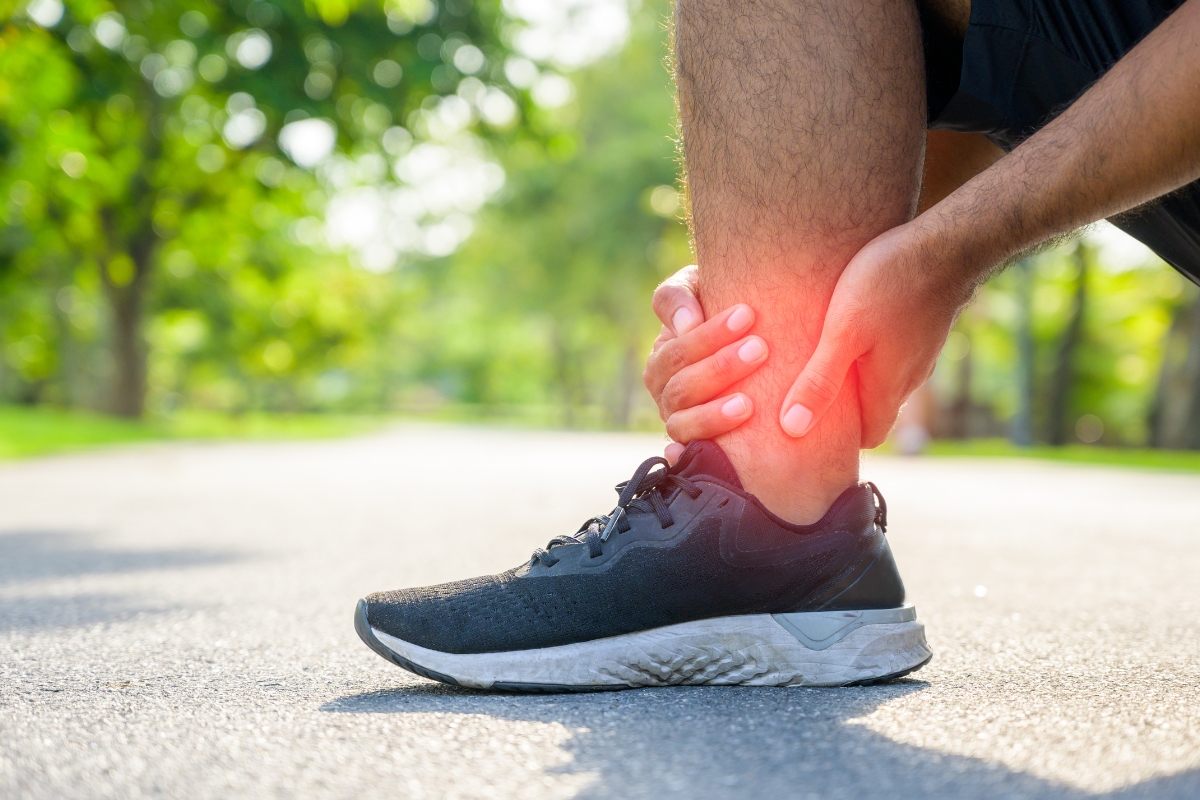
Joint Insecurity: Complaining that an ankle "gives out," feels loose, or wobbles uncontrollably during standing or turning.
Knee Buckling or Hyperextension: Feeling the knee suddenly bend unexpectedly under weight or lock backward unnaturally while standing.
Loss of Walking Confidence: Rapidly reducing daily activity, avoiding stairs, or holding onto walls and furniture while moving through the home due to fear of falling.
Physician or PT Recommendation: A referral from a primary care doctor, neurologist, or physical therapist following a physical evaluation or rehabilitation stint.
7. Frequently Asked Questions
Can a custom orthosis completely prevent an older adult from falling?
No single device can eliminate fall risk. Falls are multifactorial events that can be caused by medication interactions, poor lighting, vision impairment, environmental hazards, or muscle fatigue. However, a properly prescribed orthosis can effectively correct lower-limb biomechanical deficits, foot drop, and joint instability, removing major physical triggers for tripping.
What is the difference between custom orthotics and store-bought braces?
Store-bought braces provide generalized elastic compression or rigid plastic supports designed for an average body shape. Custom orthotics are fabricated directly from a 3D impression or cast of the patient's individual limb. They precisely accommodate anatomical deformities, relieve specific pressure points, and provide targeted structural correction matched to the patient's exact strength levels.
Why do I need to bring regular shoes to an orthotic fitting appointment?
An orthotic device modifies how your foot interacts with your shoe. Bringing the shoes you wear every day ensures the orthotist can adapt the brace to fit comfortably inside your actual footwear, verify that shoe tread remains safe, and adjust strap tensions for real-world walking conditions.
How do I know if my parent needs an AFO or just a custom shoe insert?
The choice between an arch support insert and an ankle-foot orthosis depends on where the weakness or instability originates. If instability is confined to the arch or heel alignment, a custom foot insert may suffice. If the impairment involves foot drop, calf muscle weakness, or ankle joint collapse, an AFO is necessary to control the joint from above the ankle. A comprehensive gait assessment by a certified orthotist will determine the correct level of support.
Supporting Independence Through Individualized Care
At its core, fall prevention is not about restricting life to avoid risk; it is about restoring confidence so older adults can remain active, safe, and engaged in their communities.
When prescribed appropriately, a custom orthosis serves as a vital tool within a broader mobility strategy. Finding the right solution requires more than picking a device off a shelf; it demands a clinical partnership built on detailed evaluation, precise customization, practical shoe integration, and dedicated follow-up care.
Since 1942, Floyd Brace Company has helped South Carolinians maintain their freedom of movement. If you or a loved one are experiencing unsteadiness, tripping, or walking difficulties, reach out to your physician or contact our certified orthotic team to schedule a comprehensive evaluation.
Take the next step toward confident mobility.
Explore Floyd Brace's Custom Orthotic Services or contact our clinical team today to discuss how we can support your walking goals.
Sources & Clinical References
Centers for Disease Control and Prevention (CDC): STEADI - Older Adult Fall Prevention Resources & Clinical Practice Guidelines.
Centers for Disease Control and Prevention (CDC): Preventing Falls and Hip Fractures: Feet and Footwear Guidance for Older Adults.
American Academy of Orthotists and Prosthetists (AAOP): Scope of Practice and Clinical Guidelines for Lower Limb Orthotics.
Journal of Prosthetics and Orthotics: The Impact of Ankle-Foot Orthoses on Balance and Postural Sway in Older Adults: A Systematic Review.
Archives of Physical Medicine and Rehabilitation: Daily Use of Bilateral Custom-Made Ankle-Foot Orthoses for Fall Prevention in Older Adults: A Randomized Controlled Trial.
