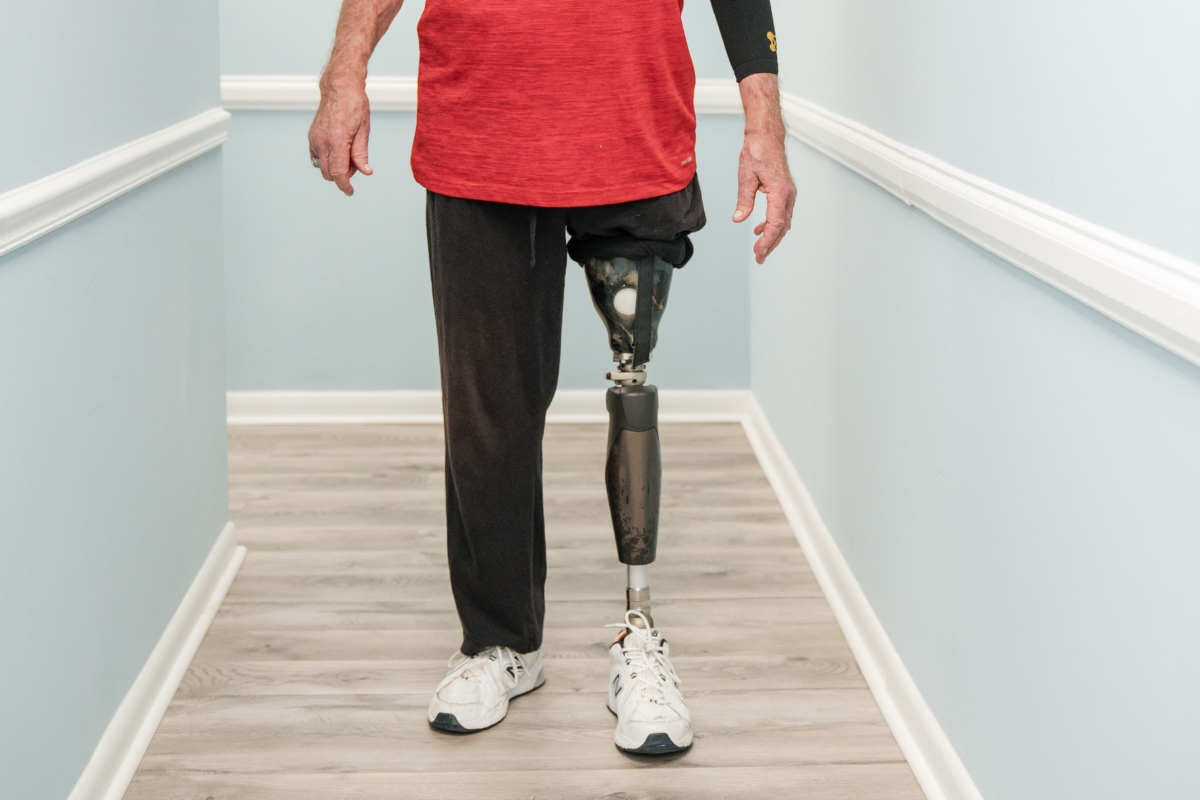
Microprocessor Knees Explained in Plain Language
Losing a limb or adjusting to a new prosthetic can feel overwhelming. There are so many options, and it can be hard to know which device will give you confidence, comfort, and independence. For many active amputees, a microprocessor prosthetic knee offers technology that adapts to your movement in real time, making walking, climbing stairs, and even running safer and smoother. In this article, we’ll break down how these advanced knees work, who they help most, and what to expect if you’re considering one.
What is a Microprocessor Knee?
A microprocessor knee is a type of prosthetic knee with a small computer inside. This “brain” reads the way you move and adjusts the knee as you walk. It constantly monitors your speed, stride, and the slope of the ground, helping you stay balanced and move more naturally. Unlike traditional mechanical knees, microprocessor knees can respond instantly to changes in terrain, reducing the risk of falls and improving your walking rhythm.
Think of it as having a knee that is always thinking one step ahead, supporting you without you needing to consciously control every movement.
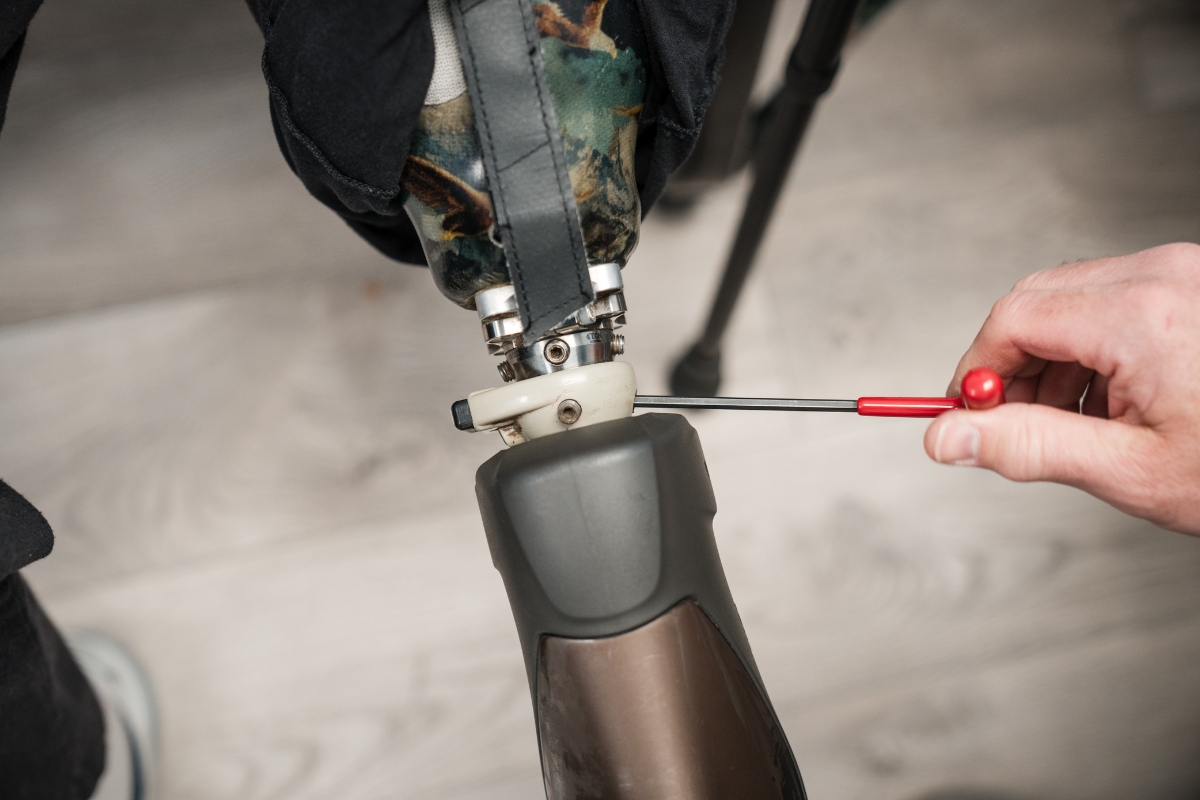
How It Works
Microprocessor knees combine sensors, a processor, and actuators to create smooth motion.
Sensors & Feedback: Tiny sensors in the knee detect your weight, walking speed, and angle of your leg.
Real-Time Adjustments: The microprocessor instantly adjusts resistance, so the knee bends or locks as needed.
Everyday Benefits: Walking feels smoother, standing is safer, and you can navigate stairs, slopes, and uneven surfaces with more confidence.
This technology helps users feel steadier and less fatigued during daily activities, whether you’re moving around at home, at work, or enjoying hobbies.
Curious if a microprocessor knee could improve your mobility?
Our experts at Floyd Brace are ready to answer your questions and guide you through your options. Schedule a consultation today and see what’s possible for your everyday life.
Who Benefits Most?
Microprocessor knees are especially helpful for:
Active adults recovering from trauma or amputation – regain confidence and once again participate in sports, hobbies, or work.
Older adults at risk of falls – extra stability can prevent accidents and maintain independence.
Patients navigating complex terrain – stairs, hills, and uneven surfaces become easier to manage.
Surgeons and rehab specialists also note that patients with microprocessor knees often experience faster rehabilitation and fewer complications compared to traditional knees.
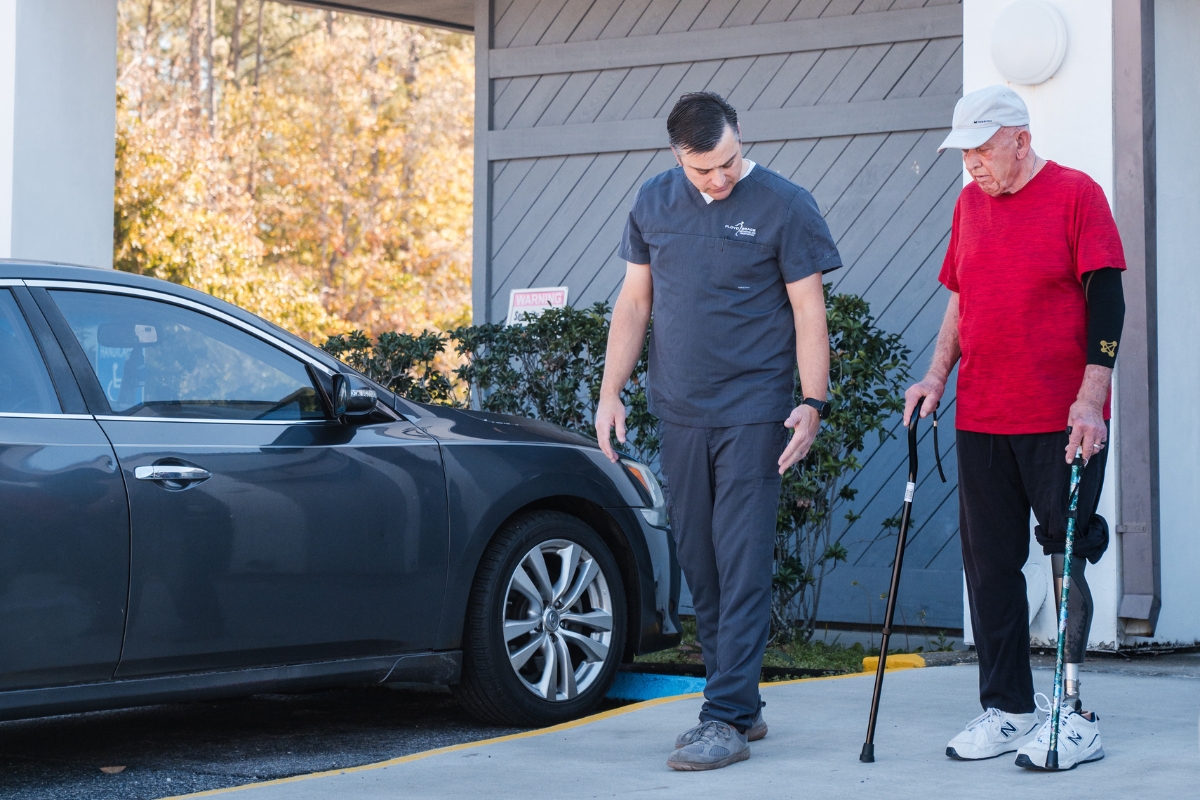
How It Compares to Traditional Knees
Traditional prosthetic knees rely on mechanical hinges and friction to control movement. This means that the knee moves at a fixed resistance, and the user must consciously adjust their walking pattern to stay balanced. For many, this can require more effort and awareness, especially when navigating stairs, uneven ground, or slopes. While effective, mechanical knees can feel less natural and may cause fatigue during longer walks or daily activities.
Microprocessor knees, on the other hand, are equipped with sensors and a small computer that constantly monitors your movement. The knee automatically adjusts resistance in real time, responding to changes in speed, terrain, and walking style. This adaptive control allows for a smoother, more natural gait and provides extra stability, reducing the risk of falls.
The lifestyle impact of a microprocessor knee is significant. Users often find that walking requires less energy, navigating stairs or slopes becomes easier, and confidence in daily mobility improves. For many people, this difference isn’t just technical, it transforms how they experience everyday life.
Insurance & Accessibility
Coverage varies depending on your insurance plan. Medicare and private insurers often require documentation showing that a microprocessor knee is medically necessary. Floyd Brace specialists can guide you through paperwork, help submit requests, and explain what to expect in terms of cost and approval. This support ensures you can focus on regaining mobility, not navigating bureaucracy.
What to Expect When Fitted
Getting a microprocessor knee involves several steps to ensure comfort, function, and confidence:
Evaluation: Clinicians assess your strength, balance, and walking goals.
Fitting & Adjustment: A customized prosthetic socket is made, and the knee is programmed to your movement.
Follow-Up Care: Regular appointments fine-tune the knee and provide training for safe use.
At Floyd Brace, patients see the same clinician at every visit, ensuring consistency, personalized care, and a device that feels like a natural extension of the body.
Ready to explore if a microprocessor prosthetic knee is right for you? Schedule a personalized consultation with our expert clinicians today. At Floyd Brace, we combine cutting-edge technology with heartfelt care to help you regain confidence, independence, and mobility every day.