How Long Does a Prosthetic Last and When Should It Be Replaced?
A prosthesis is more than a device. It is part of your everyday life. It helps you move through your home, return to work, spend time with your family, enjoy hobbies, and feel more confident in your routine.
Because your prosthesis plays such an important role, it is natural to wonder how long it should last and when it may need to be adjusted, repaired, or replaced.
How Long Does a Prosthetic Last?
When people ask, “How long does a prosthetic last?” they are usually thinking about the entire device. In reality, a prosthesis is made of several parts, and each part may have a different lifespan.
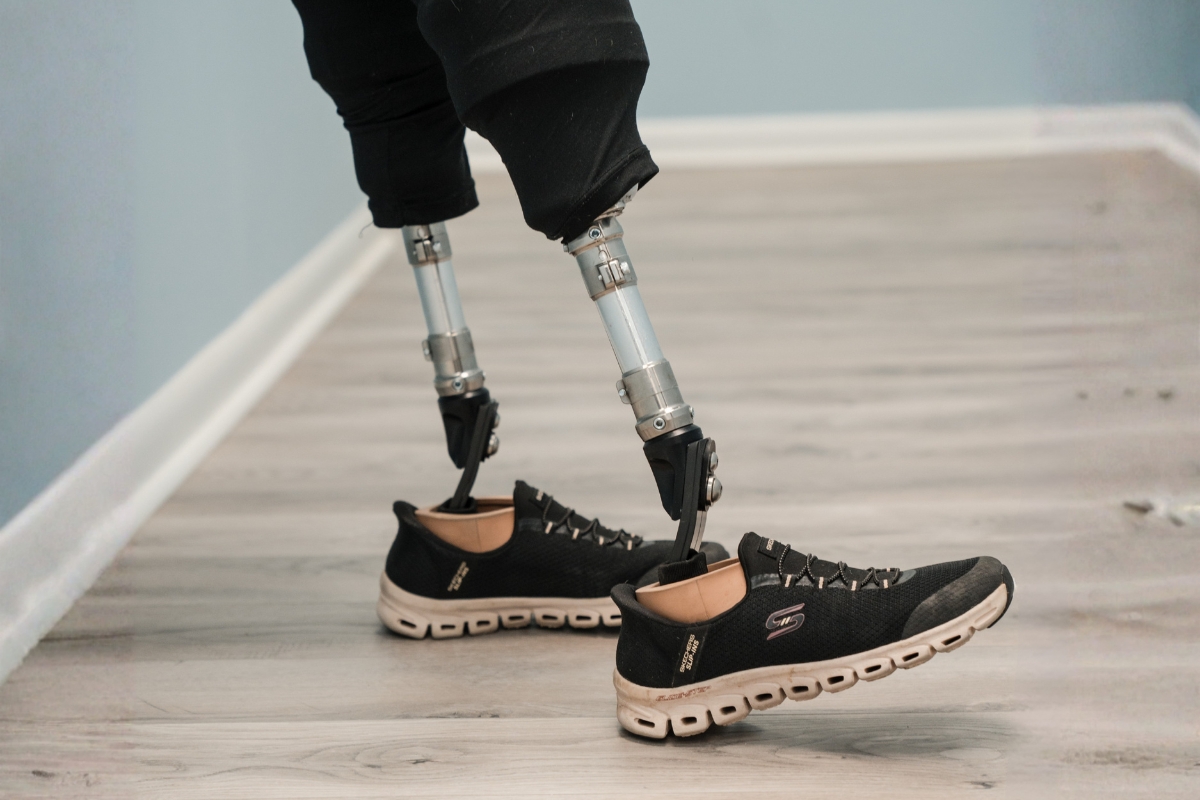
In general, prosthetic feet and components should last around three years. This timeframe often matches the general warranty period. These parts are built to handle daily use, but they experience wear over time, especially if you are very active.
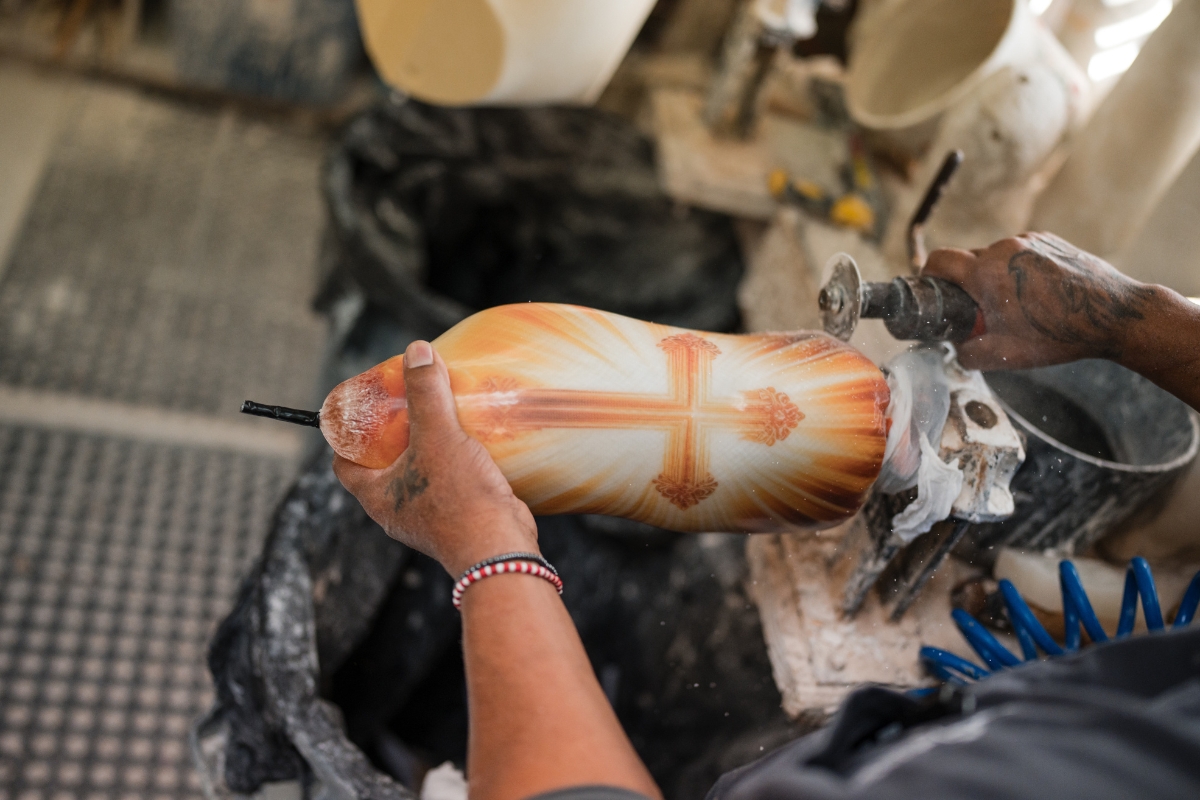
The socket is the custom part of the prosthesis that fits your residual limb and is very personal. A socket may last several months or several years. Its lifespan depends heavily on fit, limb volume, weight changes, skin comfort, and how well it supports your daily movement.
The most important thing to remember is that replacement is not based only on age of the device. A prosthesis that is technically “not old” may still need attention if it is no longer fitting or functioning well. On the other hand, a well-fitting device may continue to serve you comfortably with routine care and follow-up.
Prosthetic Feet and Components
Prosthetic feet, knees, adapters, pylons, and other components are designed for strength and durability. For many patients, these parts can last around three years under normal use.
"Normal use", however, varies by lifestyle. An individual who primarily uses their device around the house will put different structural demands on their components than someone who works a physical job, hikes outdoors, or participates in recreational sports. Over time, mechanical parts naturally fatigue. If you notice new clicking sounds, a loose sensation, or a drop in responsiveness, it is time for an evaluation.
A prosthetist should inspect it if something feels different, even if your prosthesis is still usable. Sometimes a small adjustment or repair can help. Other times, the safest and most comfortable choice may be replacing a worn component.
Prosthetic Sockets
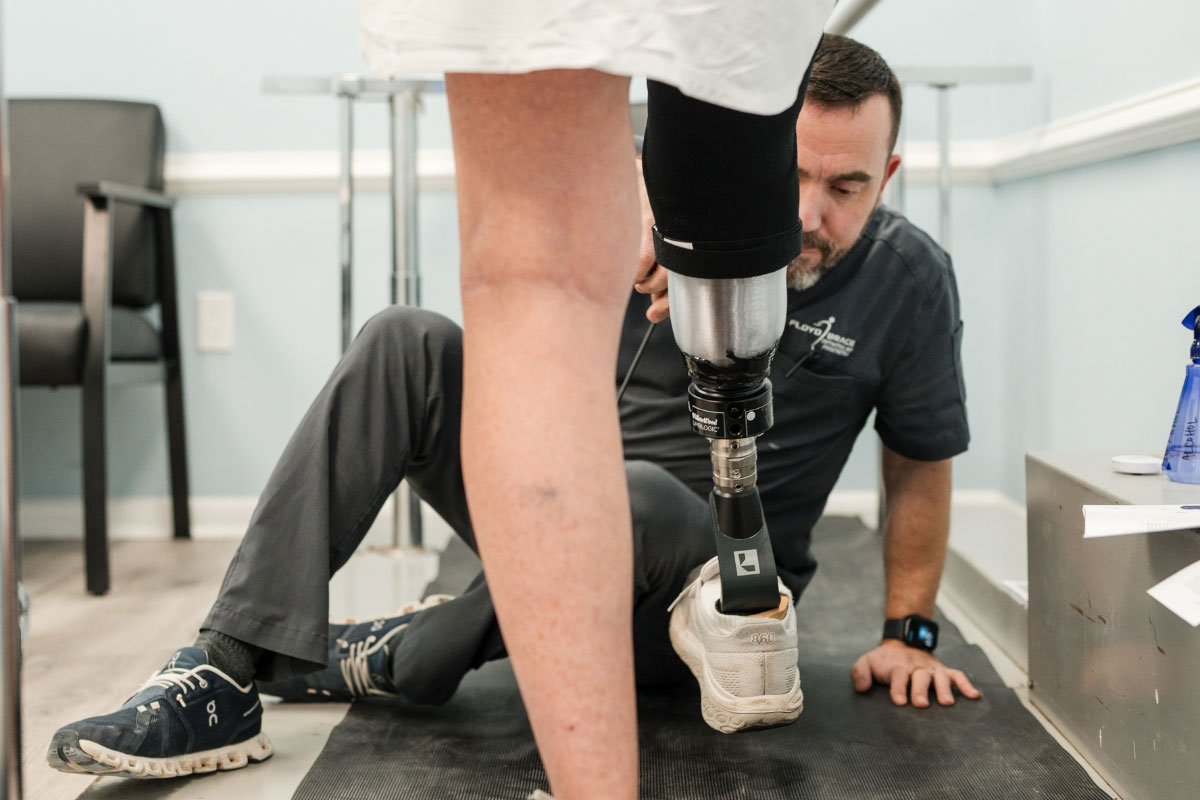
The socket is the most personalized component of your device because it directly interfaces with your residual limb. Because your body is dynamic, a socket does not have a fixed expiration date. It may last several months or several years.
A socket that once fit well may at some point feel loose, tight, uncomfortable, or unstable. When that happens, it can affect more than comfort. A poor socket fit can change the way you walk, reduce your confidence, create skin irritation, and make everyday activities more difficult.
Because socket fit is so important, sockets should be replaced as needed. For some patients, this may be after several months. For others, a socket may last several years. The right timeline is based on how well the socket continues to fit and support you.
Why Socket Fit Can Change Over Time
Your body is not frozen in place after you receive a prosthesis. It continues to change, and your prosthesis may need to change with it.
One of the biggest reasons a socket fit changes is limb volume. If your residual limb loses volume, the socket may begin to feel loose. You may find yourself adding more prosthetic socks to improve the fit. If your limb gains volume or you experience swelling, the socket may feel tight or create pressure.
Weight loss and weight gain can also affect socket fit. A drastic weight change may make it harder for your prosthesis to support you properly. Even if the device itself is still in good condition, the fit may no longer match your body.
This is why comfort is such an important signal. If your socket does not feel right, it is worth having it checked. You do not have to wait until the problem becomes severe.
Six Signs It May Be Time to Replace or Adjust Your Prosthesis
Your prosthesis should help you feel secure, supported, and confident. If it starts causing discomfort or making daily movement harder, your body may be telling you it is time for a reassessment.
1. You Are Having Discomfort or Pain
A prosthesis should not cause ongoing pain. Some patients may experience occasional pressure or changes in comfort, especially with changes in activity, but persistent discomfort should be evaluated.
Pain may show up as pinching, rubbing, pressure, soreness, or tenderness in a specific area. You may notice discomfort after walking, standing, or wearing your prosthesis for a certain amount of time. You may also find that you are avoiding activities because you know the device will become uncomfortable.
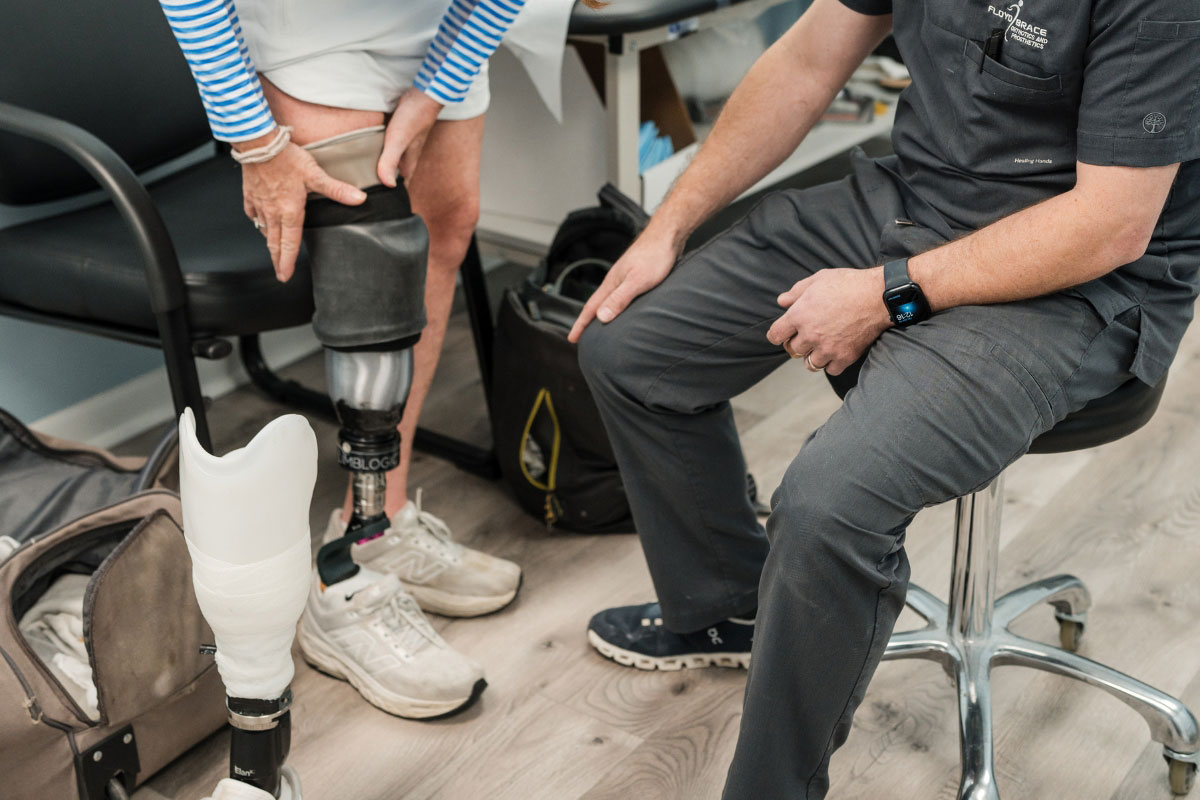
Discomfort does not always mean you need a full replacement. Sometimes an adjustment can help. But pain is a sign that your prosthetist should take a closer look.
2. You Notice Skin Irritation or Skin Changes
Your skin is one of the clearest indicators of prosthetic fit. Redness, blisters, sores, chafing, or tender spots may mean the socket is creating too much pressure or friction.
A small area of irritation can become a bigger problem if it is ignored. Skin issues may limit how long you can wear your prosthesis, affect your walking, and interfere with your daily routine.
If you notice skin changes that do not quickly improve, call your prosthetist. At Floyd Brace, our goal is to help address fit concerns early so you can stay comfortable and mobile.
3. You Are Wearing 10 Ply Socks or More
Prosthetic socks help manage changes in limb volume. Many prosthetic users add or remove socks throughout the day to improve fit. This can be a normal part of wearing a prosthesis.
Adding socks can help temporarily, but it may not fully solve the problem if the socket no longer matches your limb shape. If you are regularly wearing 10 ply socks or more, it may be a sign that your residual limb has lost volume and your socket is too loose. At that point, the socket should be reassessed.
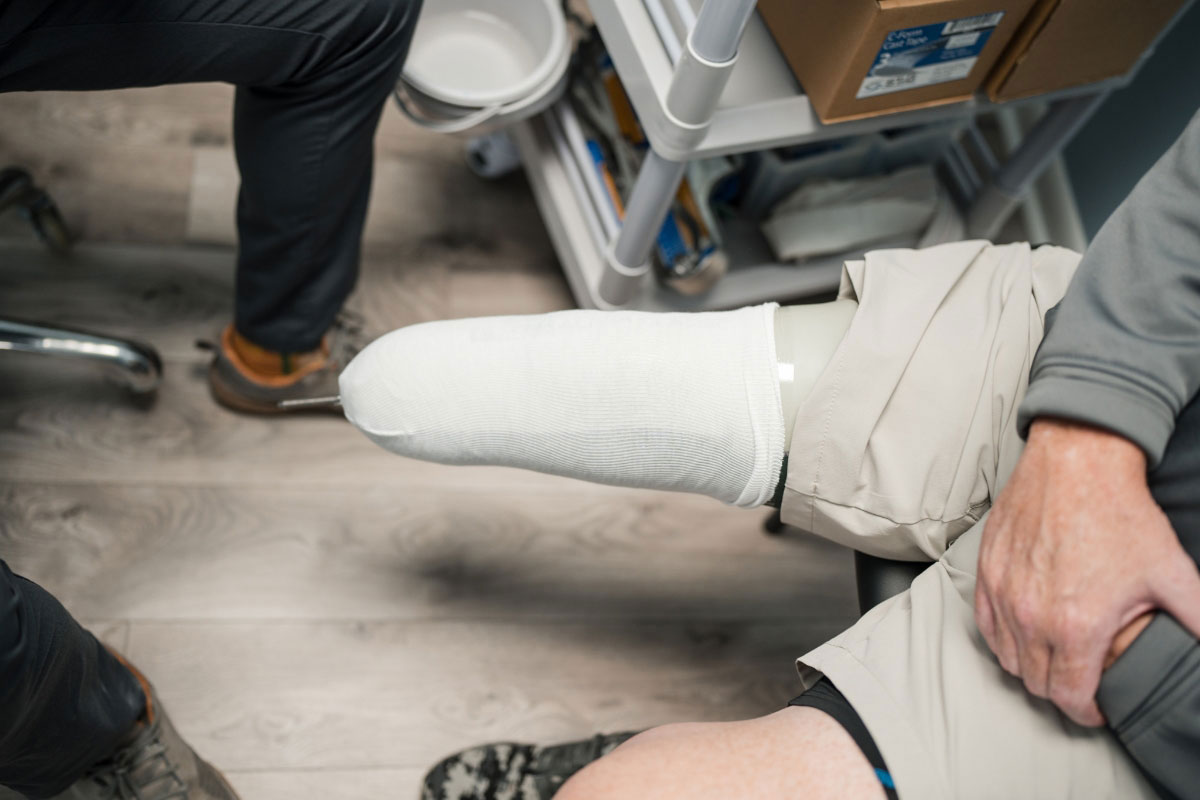
A loose socket can affect comfort, stability, and control, even if you are able to “make it work” with extra socks.
4. You Have Had Major Weight Loss or Weight Gain
Your prosthesis is custom fit to your body, so significant weight changes can affect how it fits and functions. A socket that fit well before a major weight change may become too tight, too loose, or less supportive.
Weight loss can contribute to volume loss in the residual limb, which may cause movement inside the socket. Weight gain may create tightness, pressure, or difficulty wearing the prosthesis comfortably.
If your weight has changed and your prosthesis feels different, it is a good idea to schedule a follow-up. Your prosthetist can evaluate the fit and help determine whether an adjustment, new socket, or other change is needed.
5. Your Prosthesis Feels Loose, Unstable, or Harder to Control
A prosthesis should feel secure during normal use. If it begins to feel loose, unstable, or harder to control, your socket fit or alignment may need attention.
You may notice that your limb feels like it is shifting inside the socket. You may feel less confident walking on uneven ground, turning, standing up, or going up and down steps. You may also notice changes in your walking pattern.
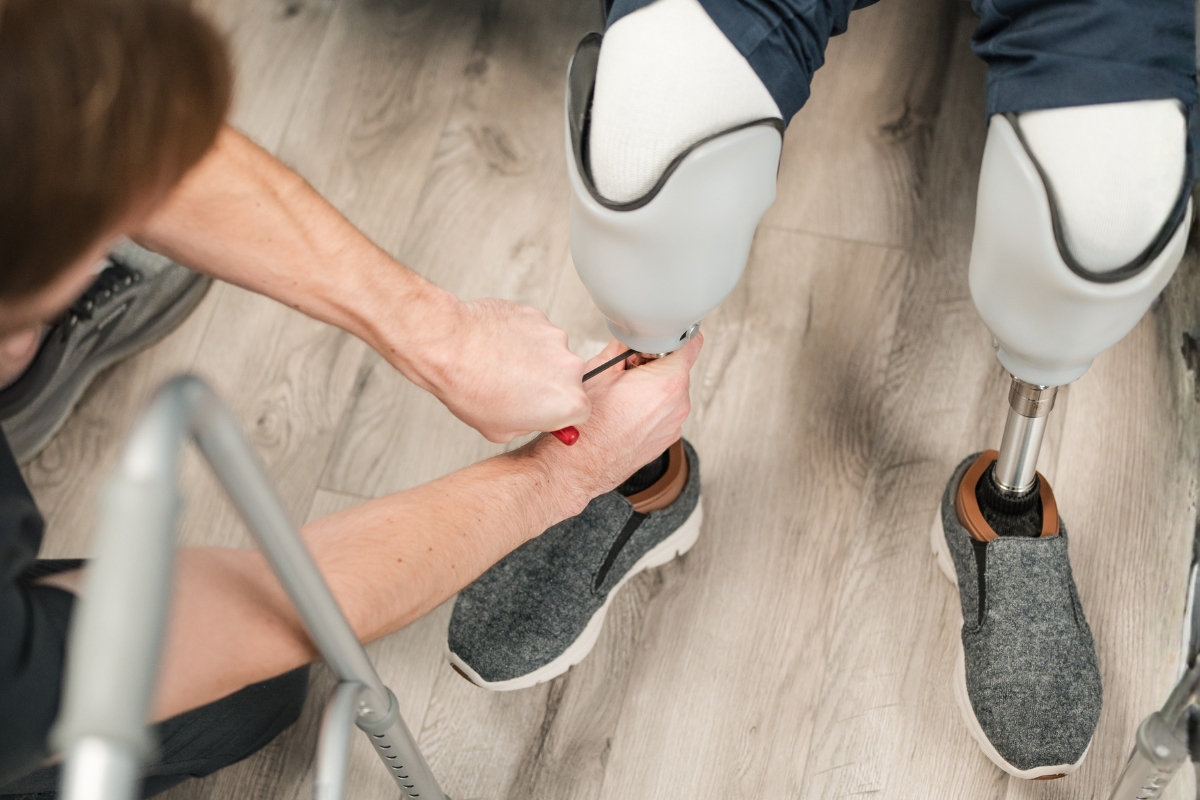
These issues can affect your confidence and safety. A follow-up visit gives your prosthetist the chance to check the fit, alignment, suspension, and components to see what may be causing the change.
6. Your Prosthetic Foot or Components Are Worn or Not Working Like They Used To
A prosthesis goes through a lot of daily use. Over time, parts can wear down or lose performance.
You may notice unusual sounds, visible cracks, looseness, decreased support, or a change in how the prosthetic foot responds. You may feel like you are working harder to walk than you used to.
These changes are worth checking. Prosthetic feet and components generally last about three years, but your prosthetist can help determine whether a part is still safe and effective or whether replacement should be considered.
Adjustment, Repair, or Replacement: What Is the Difference?
Encountering an issue with your prosthesis does not automatically mean you need a brand-new device. Prosthetic care exists on a spectrum:
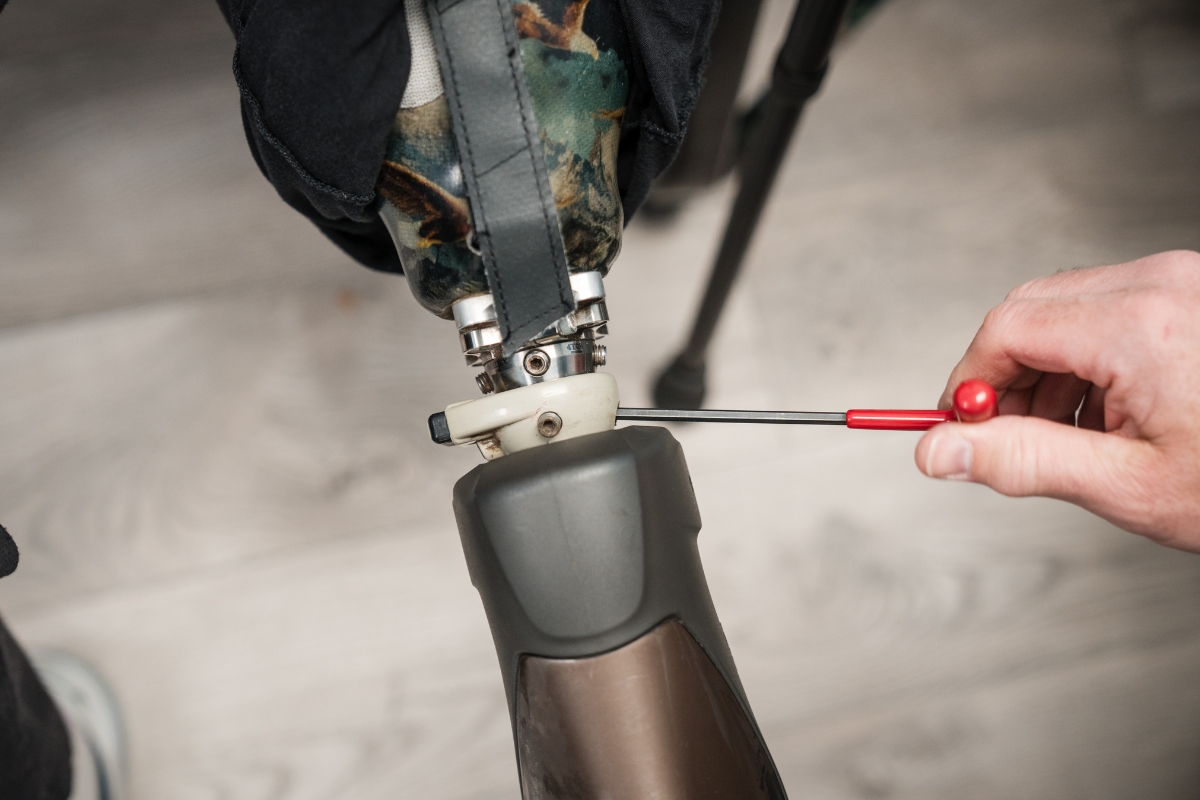
Adjustment: Minor modifications made in the clinic to fine-tune your comfort. This includes relieving a local pressure point, modifying the suspension system, or tweaking the alignment.
Repair: Fixing or replacing a specific, worn-out part (like a worn liner or a loose adapter) to restore the safety and structural integrity of an otherwise excellent device.
Replacement: Creating an entirely new socket or installing new components. This is necessary when your limb shape has permanently outgrown the socket, components pass their 3-year safety warranty, or your physical mobility goals change.
If you are just beginning this process and want to understand what a new fitting looks like, read our comprehensive guide: A Guide to Your First Prosthesis: What to Expect When Starting Your Prosthetic Journey.
Why Annual Prosthetic Follow-Ups Matter
Annual follow-ups with your prosthetist are recommended to help ensure your prosthesis continues to fit and function well. Even if your device feels fine, a yearly visit can help catch small issues before they become bigger problems.
During a follow-up, your prosthetist can evaluate socket fit, alignment, skin comfort, sock use, liners, suspension, and component wear. They can also talk with you about how your daily life has changed and whether your prosthesis is still meeting your needs.
This kind of ongoing care supports the full patient journey. Floyd Brace’s broader strategy centers on education, trust, continuity of care, and helping patients feel supported beyond the first appointment.
A follow-up is also a good time to ask questions. You may want to talk about new discomfort, changes in your activity level, caring for your liners, insurance timing, or whether your current components are still the best fit for your lifestyle.
How to Help Your Prosthesis Last as Long as Possible
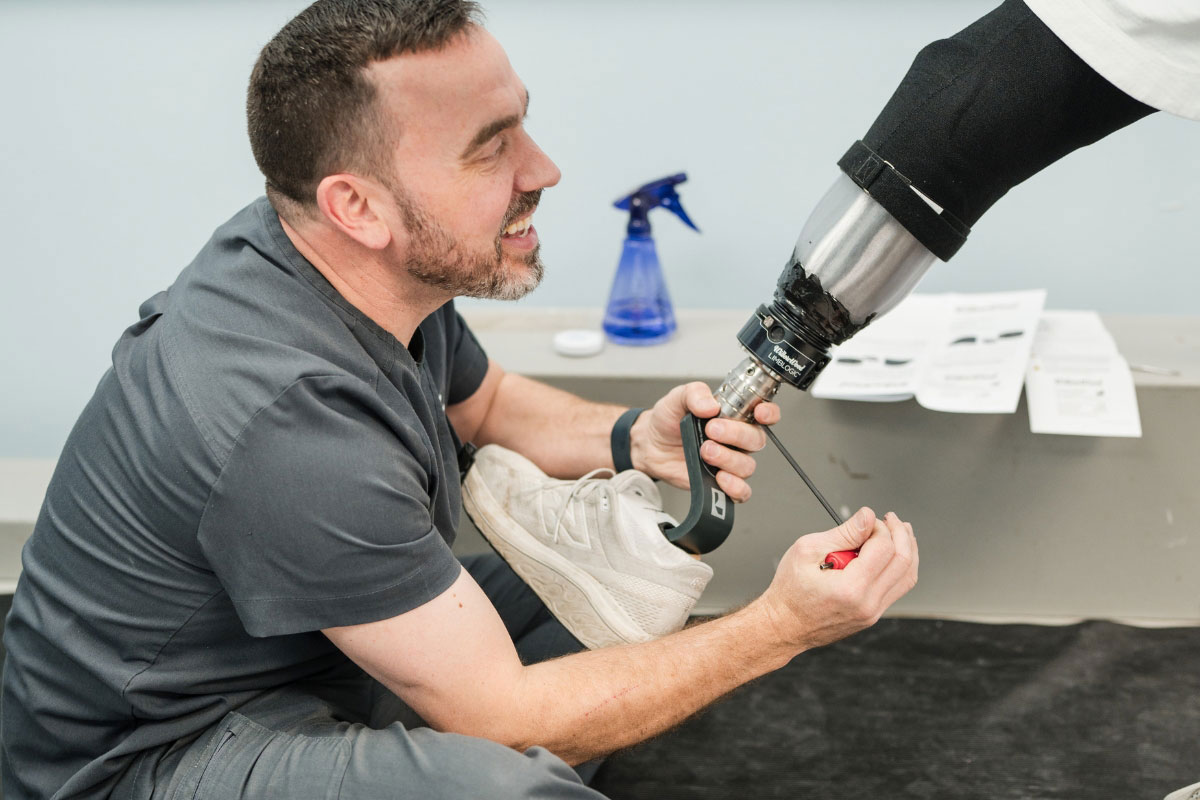
A prosthesis is made for daily life, but good care and regular follow-up can help protect its fit, comfort, and performance over time.
Clean your liners, socks, and socket according to the instructions provided by your prosthetist. Keeping these areas clean can help reduce odor, protect your skin, and improve comfort during wear.
Pay attention to your skin every day. Redness, tenderness, rubbing, or sores can be early signs that the fit needs attention.
Track changes in sock ply. If you are steadily adding more socks to maintain fit, it is time to schedule a reassessment.
Call your prosthetist when something changes. Waiting too long can sometimes turn a small fit issue into a larger comfort or mobility problem.
When Should You Call Floyd Brace?
Protect your investment, your comfort, and your mobility. It is time to schedule a prosthetic follow-up appointment with Floyd Brace if:
You are having pain, discomfort, or skin irritation. These symptoms may be signs that your socket fit has changed or that pressure is building in one area. Early attention can help protect your skin and comfort.
You are wearing 10 ply socks or more. This may mean your residual limb has lost volume and your socket is no longer fitting as closely as it should. A reassessment can help determine whether an adjustment or new socket is needed.
Your prosthetic foot or components are around three years old. Since many prosthetic components and feet are expected to last about three years, this is a good time to have them inspected. Your prosthetist can check for wear and help you understand your options.
You have not had a follow-up in the past year. Annual visits are recommended even if things feel okay. A yearly check can help maintain fit, comfort, safety, and confidence.
Your Prosthesis Should Grow With Your Life
Your prosthesis is part of your daily life, and your daily life can change. Your body may change. Your goals may change. Your activity level may change. When those things happen, your prosthesis may need attention too.
If your prosthesis feels different, if you are wearing more socks than usual, or if it has been more than a year since your last follow-up, schedule a visit with Floyd Brace. Our team is here to help you keep moving forward with comfort, confidence, and support.
FAQs
How long does a prosthetic leg usually last?
Mechanical components and prosthetic feet generally last about 3 years, which typically aligns with their manufacturing warranty. The custom-fit socket varies, lasting anywhere from a few months to several years based on changes to your body.
How often should a prosthetic socket be replaced?
A socket should be replaced when it no longer fits properly. Some sockets last several months, while others last several years. Discomfort, skin issues, or needing 10 ply socks or more may mean it is time for a reassessment.
Should I see my prosthetist even if my prosthesis feels fine?
Yes. Annual preventative follow-ups are highly recommended. These visits allow your prosthetist to catch hidden component wear, check structural safety, and optimize alignment before a major problem or breakdown occurs.
Can weight changes affect my prosthesis?
Absolutely. Drastic weight loss or weight gain changes the shape of your residual limb, directly affecting socket fit, comfort, and safety. Significant weight changes require a prompt clinical evaluation.
What should I do if my prosthesis is causing skin irritation?
Call your prosthetist. Skin irritation can be a sign of fit problems and should not be ignored. Early adjustments can help protect your comfort and mobility.
