How Long Do Custom Orthotics Last and When Should They Be Replaced?
Custom orthotics are more than just devices. They are tools that support your mobility, protect your joints, and help you live with comfort and confidence. At Floyd Brace Company, we understand that every patient’s journey is unique. From the moment you are fitted with your first orthotic to the years that follow, your experience shapes how you move, work, and enjoy daily life. But how long can you expect these devices to last, and when is it time to replace them? Knowing the answers can help you maximize comfort, maintain mobility, and avoid costly complications.
Understanding the Lifespan of Custom Orthotics
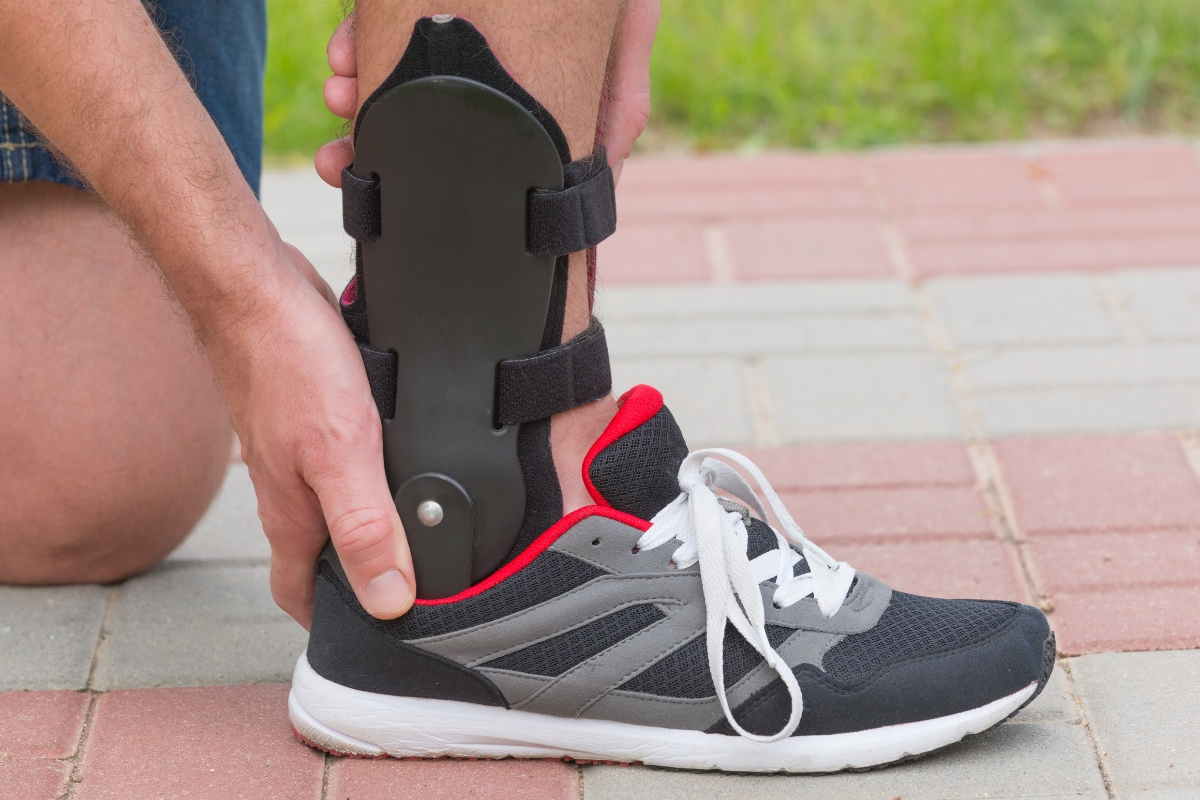
The lifespan of a custom orthotic varies depending on multiple factors, including your activity level, weight, health conditions, and, in children, growth. For most adults, custom orthotics typically last between two and five years. However, this is not a hard rule. Orthotics that are used intensively, exposed to heavy wear, or subjected to high-impact activities may show signs of wear sooner. On the other hand, patients who use their devices primarily for walking or light daily activity may find their orthotics last closer to the upper end of this range.
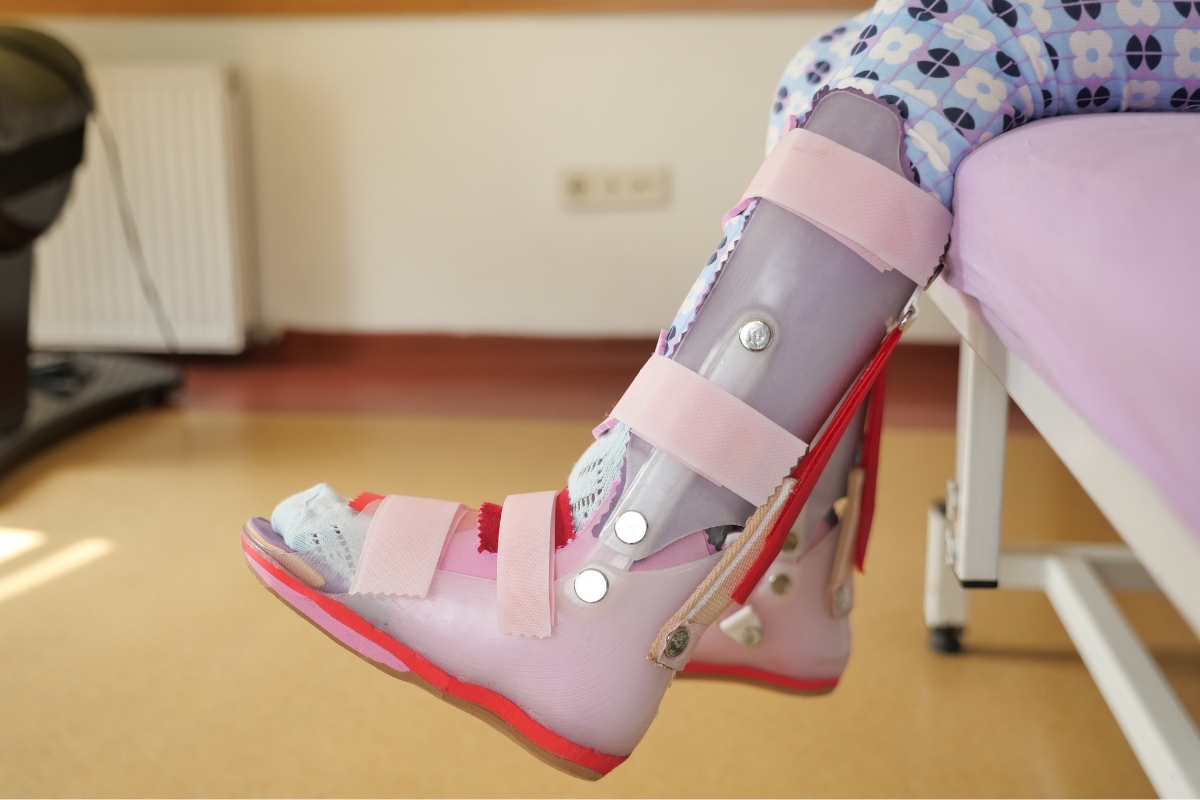
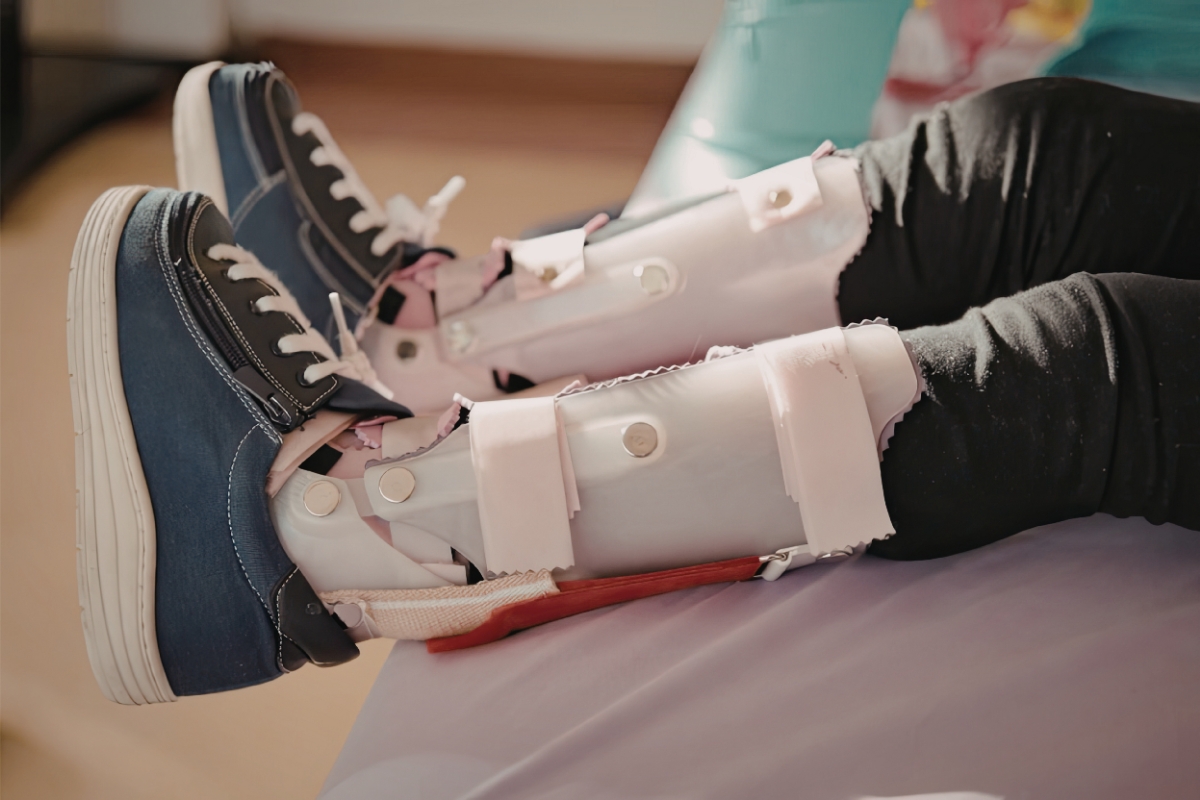
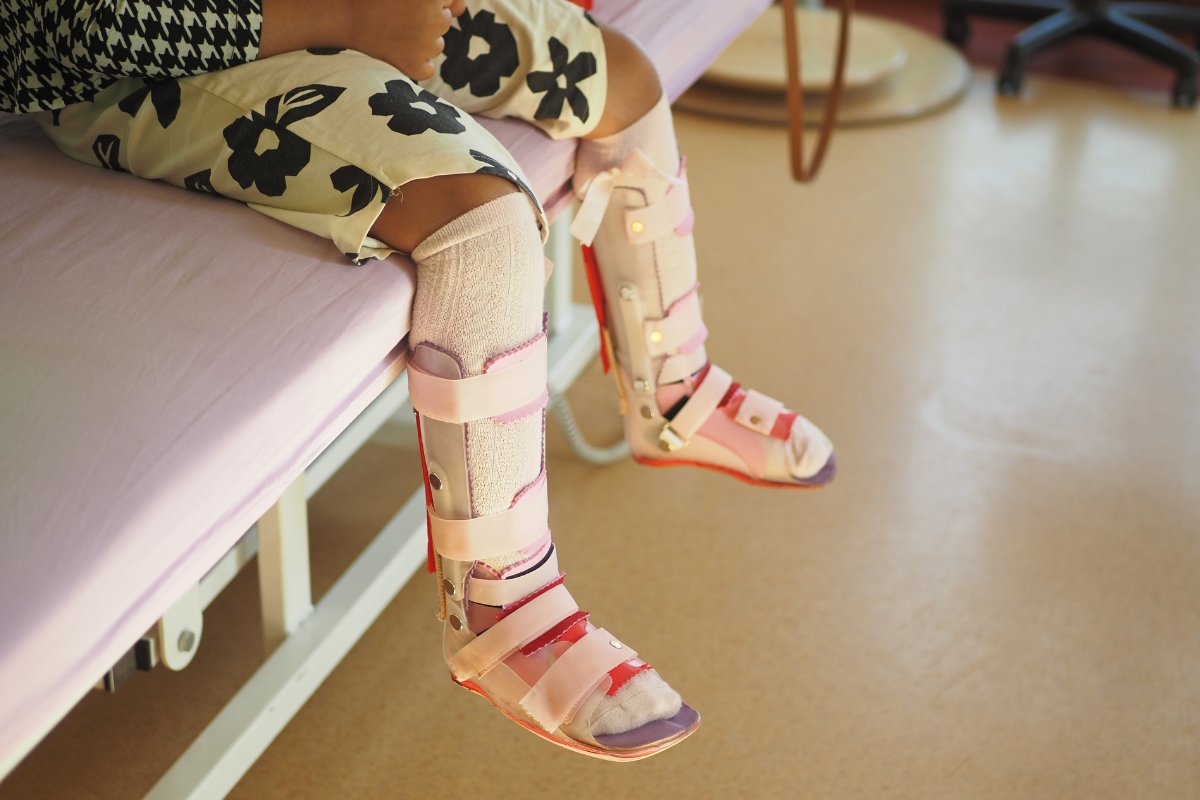
Pediatric patients, however, often need more frequent replacements. As children grow, their feet and legs change rapidly, and what fits comfortably today may be restrictive or ineffective just months later. In general, a child’s orthotic should be assessed every six to twelve months to ensure proper fit, support, and safety. Regular evaluations prevent discomfort, misalignment, and potential developmental issues.
Even for adults, changes in your body can affect the fit of your orthotic. Conditions such as arthritis, neuropathy, or changes in weight distribution may alter how your device supports your foot or ankle. Regular check-ins with your clinician help identify these issues early and ensure your orthotic continues to provide optimal support.
Signs Your Orthotic Needs Replacement
Being proactive about your orthotic’s condition can prevent discomfort and injuries. Here are some key signs that it may be time for a replacement:
Visible wear, including cracks, flattened soles, or broken straps
Pain, discomfort, or pressure points that were previously absent
Reduced mobility or increased instability while walking or standing
Changes in gait, posture, or alignment
Device no longer supporting your daily activities comfortably
A friend or family member says something looks different
If you notice any of these signs, scheduling a follow-up evaluation is important. At Floyd Brace, our team will assess your orthotic, review your needs, and recommend the next steps to maintain your mobility and comfort.

Insurance and Medicare Considerations
Coverage for orthotics is governed by strict rules, both for private insurance and Medicare. To qualify for replacement, your device must be deemed medically necessary by your physician. This designation ensures that your orthotic is prescribed specifically to address a functional limitation or health condition rather than for general comfort.
For adults, Medicare and most insurance plans allow orthotic replacement every three to five years, depending on the device type and patient need. Pediatric replacements may be more frequent due to growth.
Timing is critical: patients should see their physician within the coverage window before their Floyd Brace appointment to ensure the new prescription is valid. Delays in scheduling can result in denied claims or out-of-pocket expenses.
Here are some practical tips to navigate coverage:
Keep prior prescriptions, evaluations, and documentation organized
Schedule routine check-ups with your physician to document medical necessity
Confirm coverage rules with your insurance provider before ordering a replacement
By understanding these rules and planning ahead, you can avoid delays, reduce stress, and ensure that your device is covered.
The Replacement Process at Floyd Brace
When it’s time to replace your orthotic, Floyd Brace makes the process seamless. Our board-certified clinicians begin with a thorough assessment, reviewing your current device and evaluating your comfort, mobility, and any changes in your condition. Next, we coordinate with your doctor to ensure that your prescription meets medical necessity requirements and that insurance approvals are in place.
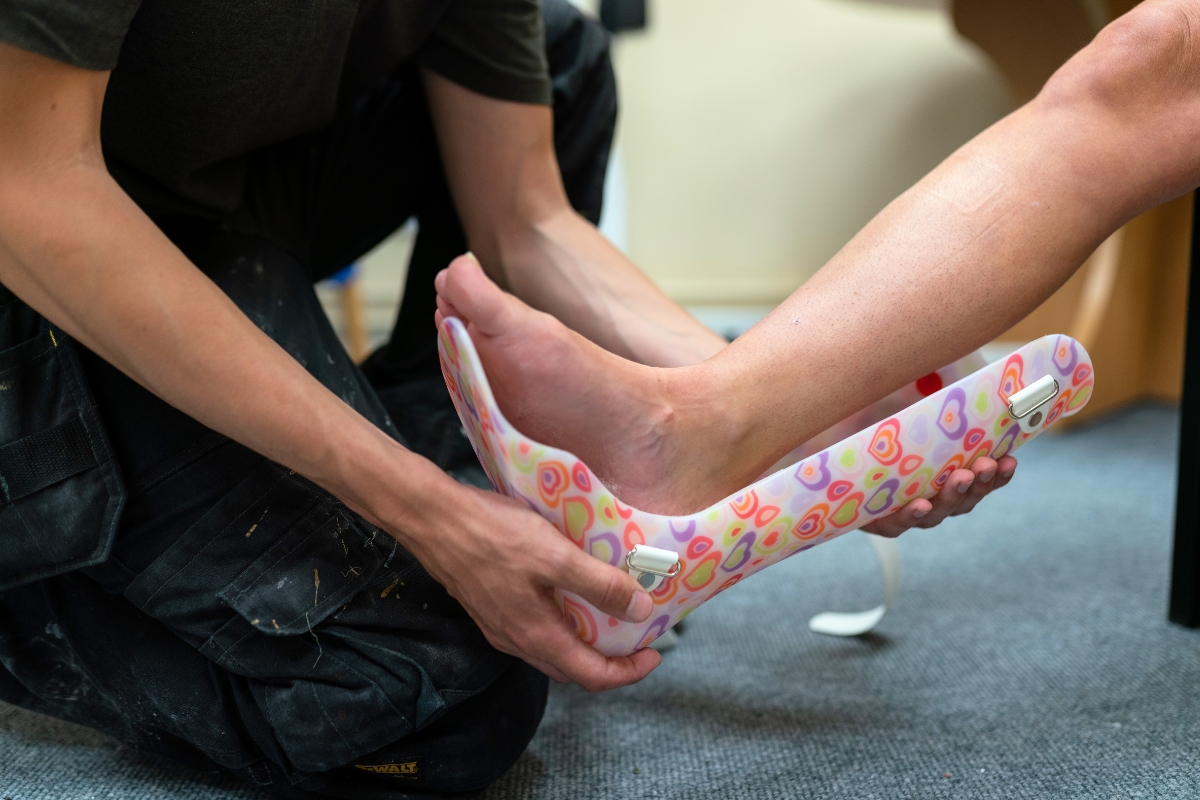
Once the prescription is approved, your custom orthotic is fabricated with precision, using progressive materials to maximize durability, comfort, and support. During your fitting appointment, adjustments are made to ensure a perfect fit. You’ll leave your appointment with a custom-fitted device, made specifically to help you gain better mobility and comfort throughout your everyday life.
We also focus on continuity of care, meaning you will see the same clinician who knows your history and goals, providing consistent support from evaluation to daily use.
Book your custom orthotic assessment now and let our experts ensure the perfect fit.

Maximizing the Lifespan of Your Orthotic
Proper care extends the life of your orthotic. Simple daily habits can help:
Follow cleaning instructions and avoid harsh chemicals
Keep your orthotic dry and avoid heat sources that can warp materials
Use the device as prescribed and avoid DIY modifications
Schedule check-ins as recommended by your clinician to adjust for wear or body changes
A well-maintained orthotic not only lasts longer but also continues to protect your joints, prevent injuries, and support mobility.
Pediatric Considerations
Children require special attention when it comes to orthotics. Growth can quickly render a device ineffective or uncomfortable. Regular check-ins ensure that the orthotic evolves with your child’s needs, supporting healthy development and encouraging confidence in daily activities. Parents play a key role in monitoring wear, scheduling timely appointments, and communicating any discomfort to both the clinician and the child’s physician. By being proactive, you help prevent misalignment, pain, or developmental delays.
When to Contact Floyd Brace
If you notice discomfort, changes in mobility, or visible wear, contact your local Floyd Brace clinic immediately. Early evaluation prevents complications, better navigates coverage through insurance, and keeps you moving confidently. Our team is here to guide every step of the process, from assessment to replacement, and provide personalized support to patients of all ages.
Call or visit your local Floyd Brace clinic today for a personalized evaluation.

FAQ
Q: How often should I replace my custom orthotic?
A: Adults typically need a replacement every 2–5 years, depending on wear and activity level. Children may need replacements more frequently due to growth, usually every 6–12 months.
Q: Will my insurance or Medicare cover a replacement orthotic?
A: Coverage is available if your physician documents that the device is medically necessary. Medicare generally allows replacement every 3–5 years for adults, while pediatric replacements may be more frequent.
Q: What if my orthotic feels uncomfortable but isn’t visibly worn?
A: Schedule an evaluation at Floyd Brace. Even minor discomfort can indicate that adjustments or replacements are needed to prevent complications.
Q: How can I prolong the life of my orthotic?
A: Keep it clean, dry, and used as prescribed. Avoid DIY modifications and schedule regular follow-ups to adjust for wear or changes in your condition.
Q: Who should I contact if I have questions about coverage or replacement timing?
A: Floyd Brace staff can help coordinate with your physician and insurance provider to ensure your replacement is approved and timely.
