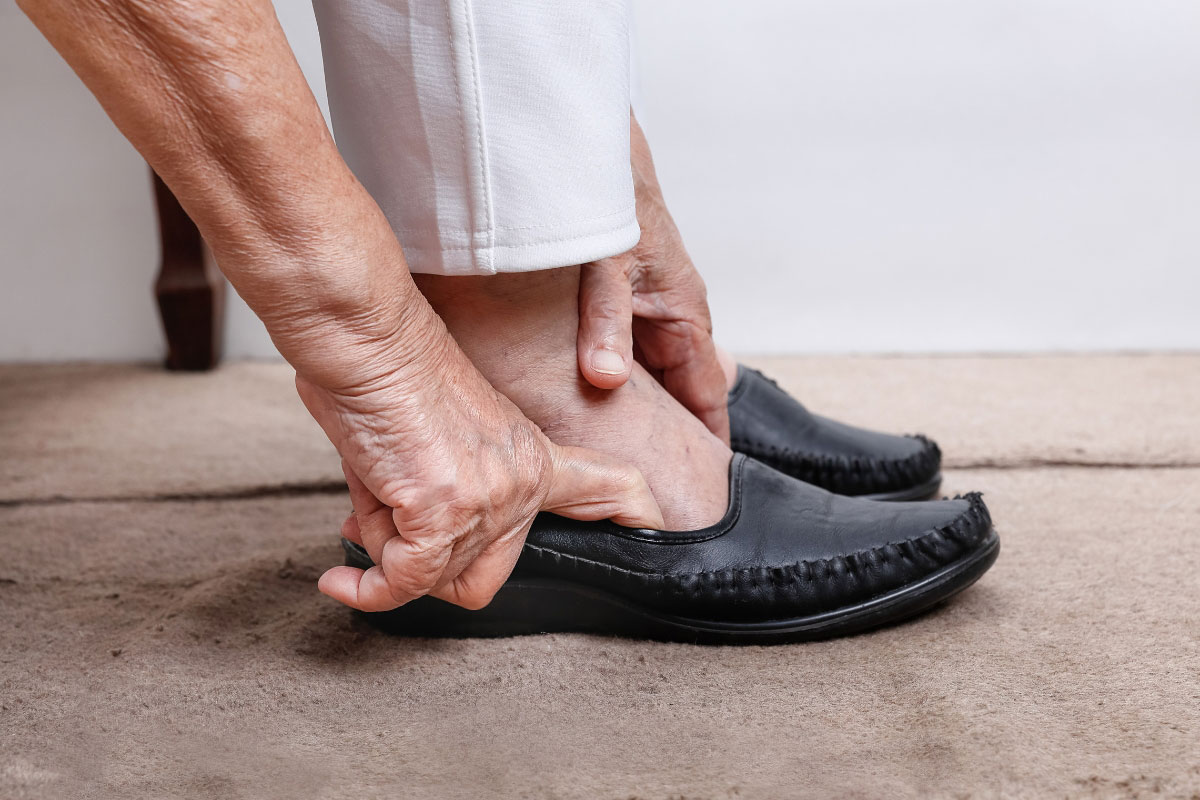
Drop Foot Explained: How AFO Braces Help You Walk Safely
Walking should feel effortless. But for some people, even short steps can be uncertain or unsafe. If you’ve noticed your toes dragging, needing to lift your knee higher than normal, or feeling anxious about tripping, you may be experiencing foot drop. It’s a common condition after a stroke, nerve injuries, or age-related muscle weakness.
At Floyd Brace Company, we help patients regain safe, confident mobility with custom ankle-foot orthosis (AFO) braces designed to fit your lifestyle and goals. If foot drop is affecting your daily life, schedule your consultation today with one of our board-certified orthotists to start your journey toward safer and more confident walking.
Imagine stepping into your kitchen and catching your toes on the rug, hesitating with each step. Or walking to the mailbox, feeling nervous about uneven sidewalks. These are real challenges that foot drop can cause, and they’re exactly why early intervention matters.
What Is Foot Drop?
Foot drop happens when the muscles that lift the front part of your foot are weak or paralyzed. Without proper support, the foot can drag, making walking difficult and increasing the risk of falls. Foot drop is typically a symptom of an underlying condition rather than a disease itself.
Common Causes Include:
Stroke: Damage to the brain affects the nerves controlling your foot muscles.
Peripheral nerve injury: Trauma or surgery can interrupt signals from your nerves to your muscles.
Neurological disorders: Conditions like multiple sclerosis or cerebral palsy may affect ankle control.
Aging or diabetes: Nerve damage from diabetic neuropathy or age-related weakness can contribute.

Many patients first notice subtle changes: dragging toes on the carpet, fatigue from lifting the leg, or a high-stepping gait. Left unaddressed, foot drop can limit daily activities and reduce confidence.
Signs You May Need an AFO Brace
Foot drop can creep into your life gradually. You may find yourself needing to lift your knee higher than normal just to clear your toes over a rug, hesitating on stairs due to ankle instability, or feeling exhausted after a short walk outside. Even routine trips to the grocery store can leave your hips and legs sore and anxious.
If these scenarios sound familiar, it may be time to consider a custom AFO brace. Early intervention offers several benefits:
Prevents trips and falls by keeping your foot in a safe position.
Reduces muscle fatigue caused by compensating for weakness.
Improves walking patterns for smoother, more balanced movement.
Restores confidence so you can move freely without fear.
Ready to regain your independence? Find out if a custom AFO is right for you with a consultation at Floyd Brace.

How an AFO Brace Helps
An ankle-foot orthosis (AFO) brace supports your foot and ankle, holding the foot at the correct angle to prevent toe dragging. By stabilizing your foot, it allows you to walk safely, reduces fatigue, and encourages a natural gait.
Think of it as giving your leg the support it needs so your muscles don’t have to overwork with every step. You can walk on uneven terrain, climb stairs, or enjoy daily activities with less strain and more confidence.
Benefits of an AFO Brace Include:
Safety and stability: Reduced risk of trips and falls.
Energy efficiency: Less strain on compensating muscles.
Gait restoration: Smoother, more natural walking patterns.
Custom fit: Tailored to your leg shape, activity level, and lifestyle.
Floyd Brace offers braces in lightweight materials, rigid supports, or hinged designs, chosen specifically for your mobility needs.
The Floyd Brace Difference: Your Journey to a Custom AFO
At Floyd Brace, a brace is more than a device: it’s a pathway to confidence and independence. Every step of the process is designed with your comfort and lifestyle in mind.
Step 1: Consultation & Assessment
Meet one-on-one with a board-certified orthotist who evaluates your mobility, leg strength, and daily routines. This ensures we recommend the best brace for you.
Step 2: Custom Fitting
Precise measurements, scans, or molds create a brace that fits your leg perfectly. Every curve and angle is considered for maximum comfort and function.
Step 3: Fabrication & Adjustment
Your AFO is crafted with high-quality materials and adjusted for a secure, comfortable fit.

Step 4: Training & Support
Walking with a new brace takes practice. Our team provides exercises, guidance, and tips for safe adaptation.
Step 5: Ongoing Care
As your needs evolve, we offer follow-ups to adjust your brace, ensuring continued comfort and mobility.
Every step of the way, you’re supported. Our patients often say it’s more than a brace, it’s confidence in every step and the support provided by our experience and caring staff. Start your custom AFO journey today.
Practical Tips for Living with Foot Drop
Even with a brace, lifestyle adjustments can make a big difference. Wear supportive shoes to improve fit and stability. Gentle leg and ankle exercises help maintain strength. Remove loose rugs, use non-slip mats, and keep hallways well-lit to prevent falls. And, last but certainly not least, consistently wear your brace to ensure maximum benefit.
By combining a custom AFO with these strategies, many patients regain mobility, independence and confidence in everyday activities.
Take the First Step Toward Safe Walking
Foot drop doesn’t have to limit your life. A custom AFO brace from Floyd Brace can restore safe, confident walking so you can enjoy daily activities again—whether that’s moving around your home, taking a walk outside, or keeping up with family and friends.
Schedule a consultation and let our team guide you from assessment to ongoing support, helping you move safely and confidently every step of the way.

